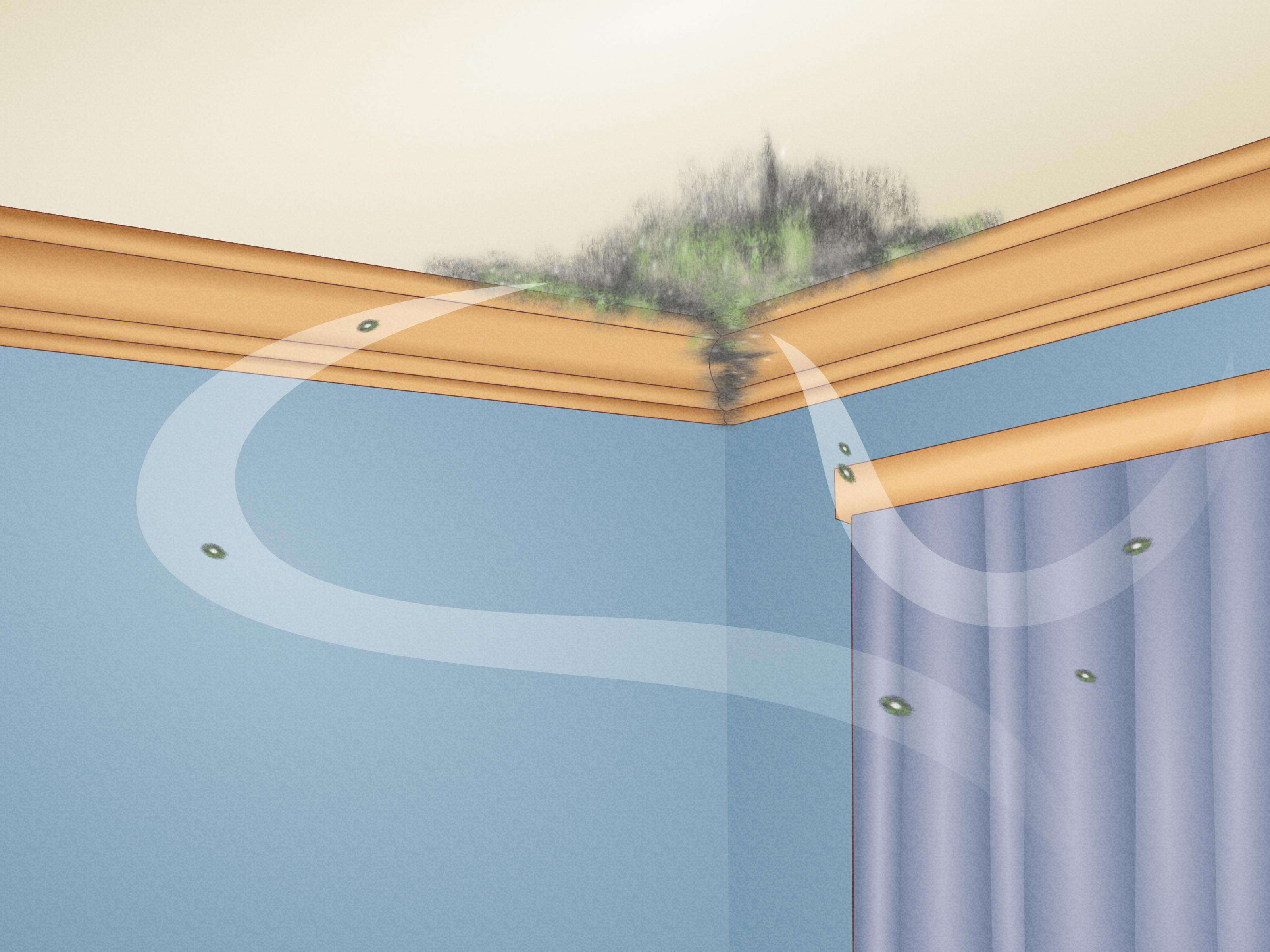
Mold on wood is one of those household discoveries that instantly makes you whisper, “Please be dust. Please be dust.” Unfortunately, if the spot is fuzzy, blotchy, musty-smelling, or spreading like it signed a lease, you are probably dealing with mold. The good news: many small mold problems on wood furniture, floors, trim, doors, and framing can be cleaned safely when the wood is structurally sound and the moisture problem is fixed.
The not-so-fun news: mold is not just a cosmetic issue. It grows because moisture is present, and wood gives mold something organic to snack on. Think of damp wood as an all-you-can-eat buffet for spores. Cleaning the surface without stopping the water source is like mopping during a rainstorm with the windows open. Heroic, but not effective.
This guide explains how to clean mold off wood, when to use mild detergent, vinegar, hydrogen peroxide, or diluted bleach, how to handle wood furniture and floors, and when to stop playing DIY champion and call a mold remediation professional.
First: Is It Mold, Mildew, or Just Dirt?
Mold and mildew are often used interchangeably, but homeowners usually care about the same practical question: “Can I clean this, or is my house auditioning for a disaster movie?” Mildew is commonly used to describe lighter surface growth, while mold may appear black, green, gray, white, brown, or even orange. On wood, it may look like speckles, fuzzy patches, staining, or a dark shadow that returns after wiping.
A musty odor is a big clue. If a wooden cabinet, basement stair tread, subfloor, or dresser drawer smells like a wet towel that lost its will to live, moisture is hiding somewhere. Mold does not grow because it is bored. It needs water, humidity, poor ventilation, or a leak.
When You Can Clean Mold Off Wood Yourself
DIY mold removal is usually reasonable when the affected area is small, the wood is solid, the mold is on the surface, and the moisture source is obvious and fixable. For example, a little mold on the back of a wood nightstand pushed against a damp wall may be manageable. A small patch on finished hardwood near a plant pot leak may also be cleanable.
However, call a professional if the mold covers a large area, keeps returning, follows a flood or sewage backup, appears inside walls or HVAC systems, or is affecting people with asthma, allergies, immune concerns, or respiratory symptoms. Also call for help if the wood is soft, crumbling, deeply stained, swollen, or rotten. Cleaning rotten wood is like putting a bow tie on a termite buffet. It may look polite, but the problem remains.
Safety Gear You Should Wear Before Cleaning Mold
Before you touch moldy wood, dress like the mold is not invited to your lungs. At minimum, wear:
- A properly fitted N95 respirator
- Safety goggles without open vent holes
- Rubber, nitrile, or vinyl gloves
- Long sleeves and pants you can wash immediately
- Old shoes or washable boots
Open windows when outdoor air conditions allow, but do not aim a fan directly at moldy wood before cleaning. That can send spores flying around the room like confetti at a very unpleasant party. If possible, move small furniture outdoors before cleaning. For indoor work, isolate the area, keep children and pets away, and bag disposable rags, sponges, and debris before throwing them out.
Supplies for Cleaning Mold Off Wood
You do not need a laboratory or a hazmat truck for small surface mold. Gather these basic supplies:
- Dish soap or mild household detergent
- Warm water
- Soft-bristle brush and stiff-bristle brush
- Microfiber cloths or disposable towels
- HEPA vacuum, if available
- Spray bottle
- White vinegar
- 3% hydrogen peroxide, optional
- Wood-safe cleaner, optional
- Fans and a dehumidifier for drying after cleaning
Avoid mixing cleaning products. Never mix bleach with ammonia, vinegar, or other cleaners. Toxic fumes are not a “bonus feature.” They are a trip to fresh air at best and emergency care at worst.
Step-by-Step: How to Clean Mold Off Wood
Step 1: Find and Fix the Moisture Source
Cleaning mold without fixing moisture is the number one reason mold returns. Check for leaking pipes, roof leaks, condensation, damp basements, poor bathroom ventilation, wet crawl spaces, overwatered plants, and furniture pressed tightly against exterior walls. Lower indoor humidity with ventilation, air conditioning, or a dehumidifier.
For wood floors, check below the surface if possible. Mold on top may be only the trailer; the full movie could be happening under the boards, underlayment, or subfloor.
Step 2: Vacuum Loose Spores with a HEPA Vacuum
If you have a HEPA vacuum, gently vacuum the moldy surface before scrubbing. A standard vacuum can blow tiny particles back into the air, which is not exactly the indoor air quality upgrade you were hoping for. Empty the vacuum outdoors if the model allows it, and follow manufacturer instructions.
Step 3: Scrub with Detergent and Water
For finished wood, painted wood, sealed floors, trim, and solid furniture, start with mild detergent and warm water. Dip a cloth or brush into the solution and scrub the moldy area until visible growth is removed. Use a soft brush on delicate furniture finishes and a stiffer brush on unfinished lumber, framing, or rougher surfaces.
The goal is physical removal. Mold is not impressed by a quick mist and a motivational speech. You need friction, cleaning solution, and patience.
Step 4: Wipe, Rinse Lightly, and Do Not Soak the Wood
After scrubbing, wipe the surface with a clean damp cloth. Avoid saturating the wood. Too much water can raise the grain, damage finishes, warp flooring, and create the very moisture problem you are trying to defeat. For wood, “damp” is your friend; “dripping wet” is the villain.
Step 5: Use Vinegar or Hydrogen Peroxide for Stubborn Spots
White vinegar can help with light surface mold and musty odors. Spray it lightly, let it sit for a short period, then wipe and dry. Hydrogen peroxide can also be useful on some surfaces, but it may lighten or discolor wood finishes. Always test any cleaner in a hidden area first, especially on stained furniture, antiques, hardwood floors, and decorative trim.
Do not use vinegar and bleach together. Do not use hydrogen peroxide and vinegar in the same bottle. Your cleaning cabinet is not a chemistry set.
Step 6: Dry the Wood Completely
Drying is not optional. Use clean towels, fans, a dehumidifier, and ventilation to dry the wood as quickly and thoroughly as possible. For furniture, leave drawers open and cushions removed. For floors, dry the surface and investigate whether moisture remains underneath. Wood can look dry on top while quietly misbehaving below.
Step 7: Sand Only If Necessary
If mold stains remain after cleaning and the wood is unfinished or will be refinished, sanding may help remove discoloration. Sand only when the wood is fully dry, and wear respiratory protection. Sanding can release dust and spores into the air. For valuable furniture or large areas, professional refinishing is smarter than aggressive DIY sanding.
How to Clean Mold Off Wood Furniture
Wood furniture is often easier to save than porous upholstery, but the details matter. A sealed oak table is one thing. A moldy particleboard bookcase that has swollen like a sponge with ambition is another.
For Finished Wood Furniture
Move the piece outdoors or into a well-ventilated area. Vacuum with a HEPA vacuum if available. Wipe with a cloth dipped in mild soap and water, then clean the moldy area with gentle circular motions. Do not scrape with metal tools. Once the mold is removed, wipe with a clean damp cloth and dry thoroughly. A fan can help, but keep airflow gentle until the surface is clean.
After drying, inspect the finish. If it looks dull, use a wood polish or conditioner suitable for that finish. Do not seal wood until you are sure it is completely dry and mold-free. Sealing moisture inside wood is basically tucking mold into bed.
For Unfinished Wood Furniture
Unfinished wood absorbs moisture more easily, so use less liquid and more controlled scrubbing. Clean with mild detergent and water, wipe quickly, and dry immediately. If staining remains, light sanding may be needed. If the furniture smells musty even after cleaning, place it in a dry, sunny, ventilated area for several hours, but avoid intense sun on delicate pieces that may crack or fade.
For Antique or Valuable Furniture
Do not experiment wildly on antiques. Harsh cleaners can damage patina, veneer, glue, shellac, lacquer, or hand-rubbed finishes. For heirlooms, consult a furniture restoration specialist. Grandma’s cabinet deserves better than being attacked with random sprays from under the sink.
How to Clean Mold Off Wood Floors
Mold on wood floors needs quick attention because moisture can travel between boards and into the subfloor. First, identify the source: a leaking appliance, wet rug, plant saucer, pet accident, damp crawl space, or high humidity.
For sealed hardwood, clean the surface with a mild detergent solution using a barely damp mop or cloth. Scrub affected areas gently with a soft brush. Wipe with clean water, then dry immediately. Run a dehumidifier and check the area over the next few days.
For unfinished floors or floors with gaps, be more cautious. Water can seep below the boards. If boards are cupping, buckling, blackened, soft, or smell musty from below, the issue may involve the subfloor. In that case, professional assessment is worth the money. It is much cheaper to investigate early than to discover later that your floor has become a biology project.
How to Clean Mold Off Wood Trim, Doors, and Cabinets
Baseboards, window trim, doors, and cabinets often grow mold because they sit near condensation, plumbing, exterior walls, or poor airflow. Clean painted or sealed trim with detergent and water, then dry completely. If paint is peeling or the wood underneath is swollen, moisture may be trapped behind the surface.
For kitchen and bathroom cabinets, empty the cabinet first. Mold often hides on the back panel, underside of shelves, or wall behind the cabinet. Clean all nearby surfaces, not just the obvious patch. After cleaning, improve ventilation and avoid storing damp towels, wet cleaning supplies, or leaky bottles inside closed cabinets.
Can You Use Bleach on Moldy Wood?
Bleach is widely known, but it is not always the best first choice for wood. On nonporous surfaces, diluted bleach can disinfect. On porous or semi-porous wood, it may not penetrate deeply, and it can lighten finishes, damage fibers, or leave moisture behind. For routine mold cleaning on wood, detergent and water are usually the first step because scrubbing physically removes the mold.
If you choose to use diluted bleach on a suitable surface, ventilate the area, wear PPE, follow the product label, and never mix bleach with other cleaners. Test first in a hidden spot. Do not use bleach on fine furniture, stained wood, natural finishes, or surfaces where discoloration would ruin your day.
When Moldy Wood Should Be Replaced
Cleaning is not always enough. Replace wood when it is structurally weak, rotted, deeply contaminated, or still wet after drying efforts. Particleboard, MDF, and plywood can be especially difficult to save after prolonged moisture exposure because they swell, separate, and trap contamination.
Wood framing may sometimes be cleaned and dried if it remains structurally sound, but large contaminated areas should be handled by qualified professionals. If mold follows flooding, sewage, or long-term leaks, assume the problem may extend farther than what you can see.
How to Prevent Mold from Coming Back
The best mold cleaner is a dry house. Keep indoor humidity under control, repair leaks quickly, use bathroom and kitchen exhaust fans, clean gutters, improve drainage, and avoid pushing furniture tightly against cold exterior walls. In basements, run a dehumidifier and keep cardboard boxes off the floor. Cardboard loves moisture almost as much as mold loves cardboard.
For wood furniture, allow airflow around pieces and avoid storing them in damp garages, sheds, or basements. For wood floors, wipe spills immediately and avoid wet mopping. For cabinets, check plumbing connections and keep sink areas dry.
Common Mistakes to Avoid
- Painting over mold: Paint does not solve mold. It creates a decorative cover-up with a short lifespan.
- Using too much water: Wood absorbs moisture, which can make mold worse.
- Skipping PPE: Mold cleanup can release spores and dust.
- Ignoring the smell: A musty odor often means moisture remains.
- Mixing cleaners: Bleach, ammonia, vinegar, and peroxide should not be combined.
- Cleaning only the visible spot: Mold may be hiding behind furniture, under rugs, or below flooring.
Real-World Experience: What Cleaning Mold Off Wood Actually Feels Like
Cleaning mold off wood is rarely as glamorous as home improvement videos make it look. Nobody opens a closet, finds fuzzy green spots on a shelf, and says, “Wonderful, a chance to bond with my respirator.” But in real homes, mold usually appears in ordinary places: behind a dresser, under a bathroom vanity, along a basement baseboard, on a window sill, or beneath a forgotten rug that stayed damp too long.
One common experience is discovering that the visible mold is only part of the story. A homeowner may notice a few dark specks on the back of a wooden cabinet, wipe them away, and think the job is done. Two weeks later, the specks return, wearing tiny villain capes. The real problem might be condensation on a cold wall, a slow sink leak, or poor airflow in a crowded room. That is why the first practical lesson is simple: do not fall in love with surface cleaning. Find the water.
Another lesson is that wood finish changes everything. Mold on a sealed dining chair may wipe away with mild detergent and a soft cloth. Mold on raw pine shelving may require deeper scrubbing, careful drying, and possibly sanding. Mold on swollen particleboard may not be worth saving at all. Many people try to rescue cheap laminated furniture after a basement leak, only to find that the panels bubble, crumble, or keep smelling musty. Sometimes the most efficient cleaning method is a contractor bag and a farewell salute.
Floors bring their own drama. A small patch near a potted plant may be easy to clean if the floor is sealed and the water did not sit long. But when mold appears along several boards, near a dishwasher, or around a toilet, it can signal moisture under the flooring. In those cases, scrubbing the top may make the room look better while the subfloor continues hosting a damp little mold convention. If the floor is cupping, soft, or persistently smelly, stop guessing and get it inspected.
People also learn quickly that “more cleaner” does not mean “more clean.” Soaking wood with vinegar, bleach, or water can damage the surface and slow drying. A controlled approach works better: light application, steady scrubbing, frequent wiping, and aggressive drying afterward. The boring partrunning fans, checking humidity, opening drawers, waiting for full drynessis often what determines whether the mold stays gone.
The most satisfying mold-cleaning projects usually end with prevention. A cleaned dresser gets moved two inches away from the wall. A bathroom fan gets used during showers. A basement gets a dehumidifier. A leaky pipe finally gets repaired instead of being emotionally negotiated with. Mold removal is not just about winning one cleaning battle; it is about making the home less inviting to mold in the future. Mold is a terrible roommate. Do not give it snacks, moisture, or free rent.
Conclusion
Knowing how to clean mold off wood can help you save furniture, floors, trim, doors, cabinets, and other wooden surfaces before the problem spreads. Start by protecting yourself, fixing the moisture source, scrubbing with detergent and water, drying the wood completely, and checking whether the material is still solid. Use vinegar or hydrogen peroxide carefully, treat bleach as a limited tool rather than a magic potion, and never mix cleaning chemicals.
Most importantly, remember that mold is a moisture problem wearing a fuzzy disguise. Clean the wood, yesbut dry the space, improve ventilation, repair leaks, and monitor the area. That is how you keep mold from making an encore performance in your home.