The 1940s were not exactly a quiet decade. The world was dealing with war, families were stretching budgets, and movie studios were learning how to create wonder with paint, puppets, trained animals, live-action fantasy, and a whole lot of orchestral drama. Yet somehow, this era produced some of the best kids movies of the 1940sfilms that still make children laugh, gasp, hum, and occasionally ask, “Wait, why is that elephant drunk on pink bubbles?”
Family movies from the 1940s were different from today’s fast-cut, joke-a-minute adventures. They moved at a gentler pace. They trusted silence. They let animals look directly into your soul. They also included plenty of big feelings: loss, courage, friendship, imagination, responsibility, and the heroic power of believing in something even when adults are being terribly sensible.
This guide looks at the best 1940s kids movies for families, classic film lovers, homeschool movie nights, and anyone curious about vintage children’s cinema. Some titles are sweet and simple. Others are visually ambitious. A few need light parental context because older films sometimes reflect outdated cultural attitudes. But the strongest movies here still sparkle because they understand something timeless: children love stories that take them seriously.
Why 1940s Kids Movies Still Matter
The best kids movies of the 1940s helped shape what family entertainment would become. Disney expanded feature animation after Snow White and the Seven Dwarfs, MGM turned animal stories into emotional events, and Hollywood discovered that children did not need watered-down stories. They could handle wonder, danger, sadness, music, comedy, and even a little moral confusionas long as the story gave them something honest to hold onto.
Many of these films also introduced characters and themes that remain part of pop culture. Pinocchio’s conscience, Dumbo’s ears, Bambi’s forest, Lassie’s loyalty, and Kris Kringle’s gentle wisdom still echo through modern family movies. If today’s animated blockbusters are the shiny theme park, these 1940s classics are the hand-drawn map that helped people find the entrance.
How These Classic Family Movies Were Chosen
This list focuses on films released in the 1940s that are especially suitable for children or family viewing. The ranking considers storytelling, cultural legacy, kid appeal, visual imagination, emotional value, rewatchability, and how well each movie holds up for modern audiences. Not every film is perfect by current standards, and parents may want to preview older titles for dated stereotypes or intense scenes. Still, each selection offers something memorable for young viewers.
Quick Guide: Best Kids Movies From The 1940s
| Movie | Year | Best For |
|---|---|---|
| Pinocchio | 1940 | Animation, adventure, moral lessons |
| Dumbo | 1941 | Younger kids, empathy, underdog stories |
| Bambi | 1942 | Nature lovers, emotional storytelling |
| Lassie Come Home | 1943 | Animal lovers, loyalty, adventure |
| National Velvet | 1944 | Horse fans, determined dreamers |
| Miracle on 34th Street | 1947 | Holiday viewing, belief, family warmth |
| The Secret Garden | 1949 | Book lovers, gentle drama, healing stories |
The Best Kids Movies Of The 1940s
1. Pinocchio (1940)
Pinocchio is one of the greatest animated films ever made, and it remains a powerful choice for families who want more than bright colors and catchy songs. The story follows a wooden puppet who wants to become a real boy, guided by Jiminy Cricket, tempted by bad choices, and eventually tested by fear, love, and responsibility.
What makes Pinocchio so unforgettable is how boldly it treats childhood. This is not a movie where mistakes are fixed with a quick apology and a cupcake. Pinocchio lies, disobeys, trusts the wrong people, and learns that becoming “real” means developing courage and compassion. The animation is astonishing, especially the underwater sequences and the terrifying Monstro the whale climax. For younger kids, some scenes may feel intense, but older children often respond strongly to its adventure and emotional stakes.
It is also one of the most musically important Disney classics, with “When You Wish Upon a Star” becoming a symbol of Disney itself. As kids movies from the 1940s go, this one still feels grand, strange, funny, scary, and beautifulin other words, very much alive.
2. Dumbo (1941)
Dumbo may be short, but it packs an emotional wallop. The story of a baby elephant mocked for his oversized ears is one of the clearest underdog tales in classic animation. Children understand Dumbo immediately: he is different, he is lonely, and he just wants his mother. No film degree required. Tissues, however, may be useful.
The movie works especially well for younger audiences because its plot is simple and direct. Dumbo’s friendship with Timothy Mouse gives the story warmth and humor, while the famous flying finale turns the very thing that made him an outcast into his superpower. That is a message modern family films still return to again and again.
Parents should know that some elements, especially certain character portrayals and circus imagery, reflect the era and may call for discussion. Even so, the central story of kindness, resilience, and self-acceptance remains deeply moving. Among vintage children’s movies, Dumbo is still one of the easiest to introduce to kids because it is brisk, emotional, and visually memorable.
3. Bambi (1942)
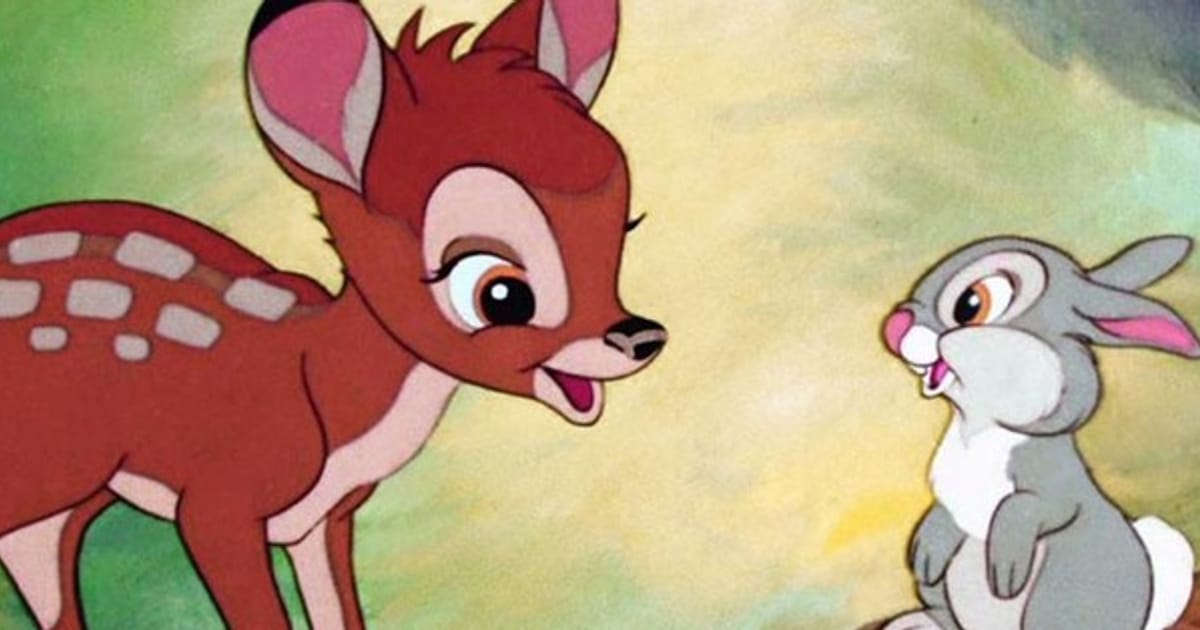
Bambi is often remembered for one heartbreaking moment, but the movie is much more than that. It is a graceful coming-of-age story about a young deer discovering the forest, friendship, seasons, danger, and eventually his place in the natural world. If Pinocchio is about conscience, Bambi is about growing up.
The film’s animation is delicate and observant. The animals move with unusual realism, yet they still have expressive personalities. Thumper brings comic relief, Flower adds sweetness, and Bambi’s wide-eyed innocence gives the film its emotional center. For kids who love animals, forests, and nature, this remains one of the best family movies of the 1940s.
It can also open thoughtful conversations about loss, change, and respect for wildlife. The story does not over-explain everything, which may surprise children used to modern movies that narrate every emotion like a sports commentator. But that quietness is part of its power. Bambi gives children room to feel.
4. Fantasia (1940)
Fantasia is not a traditional kids movie with a single plot, but it absolutely belongs in a discussion of 1940s family films. It combines classical music with animated sequences ranging from playful to cosmic. Some parts are perfect for children, especially “The Sorcerer’s Apprentice,” where Mickey Mouse learns that borrowing magic without reading the fine print is a terrible workplace decision.
The film introduces young viewers to orchestral music through images instead of lectures. Dancing mushrooms, hippos in tutus, swirling abstract shapes, prehistoric creatures, and mythological scenes turn music into motion. Not every sequence will hold every child’s attention, and some imagery is darker or more intense than expected. Still, as an artistic experience, Fantasia is unmatched.
For families, the best approach is to watch it in sections. Treat it like a visual concert rather than a Saturday morning cartoon. Kids may not love every minute, but many will remember the brooms, the dinosaurs, and the sense that animation can do almost anything.
5. Lassie Come Home (1943)
Few classic family movies understand loyalty like Lassie Come Home. The story follows a beloved collie separated from her young owner and determined to return home across a difficult journey. It is simple, emotional, and nearly impossible for dog lovers to resist.
Roddy McDowall gives the film a heartfelt child’s perspective, while the dog performance carries much of the adventure. Lassie is not just a pet in the story; she is courage with fur. Children who love animal adventures will find suspense, danger, and comfort in her journey. Adults may find themselves pretending they are not crying. They are lying. The dog knows.
The film also helped launch one of the most enduring animal characters in screen history. For kids who are ready for a slower-paced, earnest story, Lassie Come Home remains one of the best 1940s kids movies about devotion and the bond between children and animals.
6. My Friend Flicka (1943)
My Friend Flicka is a wonderful choice for families who enjoy horse stories, ranch settings, and coming-of-age drama. The movie follows a young boy who forms a deep bond with a spirited horse, learning responsibility, patience, and emotional courage along the way.
Like many family films of the 1940s, it does not rush. The appeal comes from atmosphere, character, and the sincere belief that a child’s relationship with an animal can shape who they become. The landscapes, ranch life, and emotional conflicts give the story an old-fashioned but sturdy charm.
Modern kids who prefer constant action may need encouragement to settle into its rhythm. But for children who love horses, farms, or stories about earning trust, My Friend Flicka still works beautifully. It is a gentle reminder that not every adventure needs dragons. Sometimes the wildest creature in the room is a horse with opinions.
7. National Velvet (1944)
National Velvet is one of the great dream-big movies for kids. Elizabeth Taylor, still very young, plays Velvet Brown, a determined girl who believes her horse can compete in the Grand National. Mickey Rooney co-stars as the trainer who helps her pursue the impossible.
The movie is especially important because it centers a girl’s ambition with sincerity and excitement. Velvet is not treated as silly for dreaming boldly. She is intense, focused, and willing to work. That makes the film feel surprisingly modern in spirit, even though its pacing and style are very much from classic Hollywood.
For family viewing, National Velvet offers sports drama, animal companionship, and a strong message about persistence. It is also a terrific gateway to vintage movies for kids who might resist black-and-white classics, because the color cinematography and emotional horse-racing story are easy to enjoy. Horse fans may consider it required viewing, preferably with snacks and no one in the room saying, “It’s just a horse.” That person will be asked to leave.
8. The Three Caballeros (1945)
The Three Caballeros is one of Disney’s most energetic package films of the decade. Starring Donald Duck, José Carioca, and Panchito, it blends animation, live action, music, and travelogue-style fantasy inspired by Latin American settings and culture.
The movie is colorful, musical, and often delightfully chaotic. Donald Duck bounces from one dazzling sequence to another with the composure of a feathered tourist who has had too much coffee. For children, the appeal lies in the songs, movement, and visual surprises. For adults, the film is also a snapshot of wartime Hollywood’s Good Neighbor era.
Families should approach it as a product of its time. Some cultural framing may feel dated, but the film’s technical imagination is impressive. It is less emotionally rich than Bambi or Dumbo, but as a lively animated musical, it adds variety to any list of the best kids movies of the 1940s.
9. The Yearling (1946)
The Yearling is best for older children because it is tender, serious, and emotionally demanding. Based on Marjorie Kinnan Rawlings’ Pulitzer Prize-winning novel, the film follows a boy in rural Florida who adopts an orphaned fawn and learns hard lessons about love, survival, and responsibility.
Gregory Peck and Jane Wyman bring depth to the family drama, while Claude Jarman Jr. gives the story its youthful heart. This is not a light animal romp. It belongs to the tradition of family films that respect children enough to show that love sometimes involves painful choices.
For kids who can handle bittersweet stories, The Yearling is powerful. It can lead to conversations about farming life, nature, maturity, and the difference between wanting something and being ready to care for it. Bring emotional readiness. Also maybe pie. Pie helps with classic movie heartbreak.
10. Miracle on 34th Street (1947)
Miracle on 34th Street remains one of the best holiday family movies ever made. The story follows a department store Santa who claims to be the real Kris Kringle, a skeptical mother, and a little girl learning whether imagination and belief still have a place in a practical world.
Natalie Wood’s performance gives the movie its child’s-eye magic. She is not written as foolish or overly cute; she is thoughtful, observant, and cautious. That makes her gradual openness to wonder feel meaningful. Edmund Gwenn’s Kris Kringle is gentle without being sugary, which is why the film still works for both children and adults.
As a Christmas movie, it is cozy. As a kids movie, it is smarter than expected. It asks whether belief is childish or whether adults sometimes mistake cynicism for intelligence. The answer, naturally, arrives wrapped in holiday charm.
11. Fun and Fancy Free (1947)
Fun and Fancy Free combines two animated stories: “Bongo,” about a circus bear discovering life in the wild, and “Mickey and the Beanstalk,” a playful Disney version of the Jack and the Beanstalk tale. The second half is the stronger draw for most kids, thanks to Mickey, Donald, Goofy, and a giant who is both funny and threatening.
The film is important in Disney history because it includes Walt Disney as the voice of Mickey Mouse. It also reflects the studio’s 1940s package-film period, when full-length animated features were often built from shorter segments.
For modern families, this is not the first 1940s Disney movie to choose, but it is a fun follow-up after the major classics. Younger kids may enjoy the slapstick, bright animation, and fairy-tale adventure. Donald Duck fans will especially appreciate his ability to turn hunger into operatic rage.
12. Melody Time (1948)
Melody Time is another Disney package feature, made up of musical animated segments. It includes “Little Toot,” “Johnny Appleseed,” “Bumble Boogie,” and the larger-than-life “Pecos Bill.” Like Fantasia, it treats music as the engine of animation, though in a more casual, variety-show style.
The film is uneven, but that can actually help family viewing. Parents can choose individual segments based on a child’s age and interest. Some children will love the tugboat story. Others may prefer the energetic musical experiments. The film is bright, approachable, and full of mid-century Disney personality.
Because some portrayals and jokes reflect the period, parents may want to preview it. Still, as part of the history of classic kids movies, Melody Time offers a charming look at how animation studios entertained families before television became the household default.
13. So Dear to My Heart (1949)
So Dear to My Heart blends live action and animation in a gentle rural story about a boy named Jeremiah and his black lamb, Danny. It is one of Disney’s softer family films, less famous than the animated landmarks but warm and sincere.
The movie’s appeal lies in its simple values: dedication, patience, responsibility, and the joy of believing that a small dream matters. The animated scrapbook sequences add whimsy, while the live-action setting gives the film a nostalgic country atmosphere.
This is a good choice for families who enjoy quiet storytelling. It may not dazzle kids who expect superhero-level momentum, but it offers a cozy, wholesome experience. Think of it as cinematic comfort food: not spicy, not flashy, but pleasant in a rocking-chair-and-lemonade sort of way.
14. The Secret Garden (1949)
The Secret Garden adapts Frances Hodgson Burnett’s beloved children’s novel about Mary Lennox, a lonely orphan sent to live in a mysterious English manor. There she discovers a hidden garden, an isolated cousin, and the possibility that neglected thingsplants, children, heartscan grow again.
The 1949 version is especially appealing for children who like mysteries without monsters. The drama is emotional rather than action-heavy, and the story rewards curiosity, patience, and empathy. Margaret O’Brien gives Mary a prickly quality that makes her transformation more satisfying. She is not instantly adorable; she has to thaw, which is exactly the point.
For families looking for classic children’s literature on screen, The Secret Garden is one of the strongest late-1940s options. It is quiet, restorative, and full of the kind of old-house atmosphere that makes kids wonder whether their own backyard is hiding something magical under the weeds.
15. Mighty Joe Young (1949)
Mighty Joe Young is a creature-feature adventure with a surprisingly tender heart. The story centers on Jill Young and the giant gorilla she has raised since childhood. When show business gets involved, Joe becomes both a spectacle and a sympathetic hero.
The film is especially notable for its stop-motion effects, connected to the work of Ray Harryhausen and Willis O’Brien. For kids interested in monsters, animation, or how movies were made before computers, this is a fascinating watch. Joe has personality, weight, and emotion, even when the effects show their age.
Some action scenes may be intense for younger children, but older kids often enjoy the mix of adventure, danger, and creature sympathy. It is a bridge between animal stories and fantasy spectacle, making it one of the more exciting family-friendly films of the decade.
What Makes These 1940s Family Films So Special?
They Respect Big Feelings
Many modern kids movies try to protect children from sadness, then sneak it in during the third act with a swelling soundtrack. The best kids movies of the 1940s are more direct. Bambi, Dumbo, The Yearling, and Lassie Come Home all understand that childhood includes fear, separation, disappointment, and longing. They do not laugh those feelings away. They shape them into stories.
They Use Music As Storytelling
From Fantasia to Pinocchio, music is not just decoration. It guides emotion, builds character, and teaches rhythm. Children who watch these films may not know the technical terms, but they feel how music changes a scene. A lullaby can break your heart. A march can make brooms terrifying. A wish can become a studio’s unofficial anthem.
They Turn Animals Into Emotional Teachers
Dogs, deer, elephants, horses, lambs, fawns, and giant gorillas dominate this decade’s family films. That is not an accident. Animal stories let children explore loyalty, difference, loss, responsibility, and bravery without feeling lectured. A child may resist a sermon about kindness. But show them Dumbo visiting his mother, and suddenly the room gets very dusty.
Tips For Watching 1940s Kids Movies With Modern Children
Start with the most accessible titles. Dumbo, Pinocchio, Bambi, and Miracle on 34th Street are usually easier entry points than slower dramas. For children used to modern pacing, consider splitting longer or quieter films into two viewing sessions.
Offer context before watching. Explain that these movies were made a long time ago, so some jokes, images, or attitudes may feel different from what families expect today. That does not mean the whole movie has to be dismissed, but it does mean kids can learn to enjoy classic cinema thoughtfully.
Finally, ask questions afterward. Which character made the bravest choice? Which scene felt sad? Which animal would absolutely destroy your living room if allowed inside? The best family movie nights do not end when the credits roll. They become conversations.
Experience Section: Watching The Best Kids Movies Of The 1940s Today
Watching 1940s kids movies with modern children can feel like opening a time capsule and discovering that someone packed it with tears, orchestras, circus animals, holiday miracles, and at least one dangerously ambitious puppet. The experience is different from streaming a new animated release, and that difference is exactly what makes it valuable.
The first thing families often notice is the pace. These movies breathe. A forest scene in Bambi may linger on rain, leaves, and tiny animal movements. A conversation in Miracle on 34th Street may unfold without someone falling into a cake. Children who are used to rapid editing may wiggle at first. That is normal. Classic movie viewing is a learned rhythm, a little like reading a chapter book after mostly reading comic strips. Once kids settle in, they often begin noticing details they would miss in faster movies: the way Dumbo’s ears droop, how Velvet looks at her horse, or how Mary Lennox changes as the garden comes back to life.
A good family experience starts with choosing the right film for the right mood. For a cozy holiday night, Miracle on 34th Street is ideal. For a short emotional introduction to classic animation, Dumbo works well. For kids who love animals, Lassie Come Home, National Velvet, and My Friend Flicka can turn the living room into a full emotional stable. For curious or artsy children, Fantasia can be watched one segment at a time, almost like a music-and-art sampler.
Snacks help, but conversation helps more. Before pressing play, tell kids one interesting fact: “This movie was made before computer animation,” or “This was one of the films your great-grandparents might have seen in a theater.” That small frame turns the movie into an adventure in history, not just “something old.” Afterward, ask children what still felt modern. Many will point to the same things adults do: wanting to belong, missing a parent, loving an animal, wishing adults would listen, or hoping magic might be real.
There is also a special joy in watching children react to practical effects and hand-drawn animation. They may laugh at moments that look old-fashioned, but they may also become fascinated by how much feeling artists created without digital tools. Mighty Joe Young can lead to a conversation about stop-motion. Pinocchio can lead to questions about drawing water, fire, and shadows. Fantasia can introduce classical music without making it feel like homework wearing a bow tie.
The best experience comes when adults resist the urge to over-explain. Let kids react. Let them be bored for a minute. Let them be surprised by sadness. Let them notice that older movies have different manners, different jokes, and different ideas about childhood. Then talk about it. Classic family films are not museum pieces behind glass. They are invitationsto compare generations, to discuss values, and to enjoy stories that have lasted longer than many toys, trends, and forgotten Saturday morning cereals.
Conclusion
The best kids movies of the 1940s remain worth watching because they offer something deeper than nostalgia. They show children facing fear, animals becoming heroes, music turning into images, and imagination surviving in a practical world. From Pinocchio and Dumbo to National Velvet, Miracle on 34th Street, and The Secret Garden, these classic family films still speak to young viewers because they treat childhood as meaningful, emotional, and full of wonder.
Some details may feel dated, and a few films deserve thoughtful context. But the heart of these stories still beats clearly. They remind families that courage can come from a small elephant, loyalty can wear a collie’s face, belief can change a holiday, and a neglected garden can bloom again. For parents, grandparents, teachers, and young movie fans, exploring 1940s children’s cinema is not just a trip into film history. It is a chance to discover how timeless a good family story can be.