Note: This is an original, fully rewritten houseplant care guide based on real horticultural information and practical indoor gardening experience. It is written for web publishing and does not copy Bob Vila or any other single source.
Kalanchoe is the houseplant equivalent of a cheerful neighbor who shows up with cupcakes and asks for almost nothing in return. It has glossy, scalloped succulent leaves, clusters of bright flowers, and a wonderfully forgiving personality. In other words, if you have ever forgotten to water a plant and then avoided eye contact with it for two weeks, kalanchoe may still be willing to work with you.
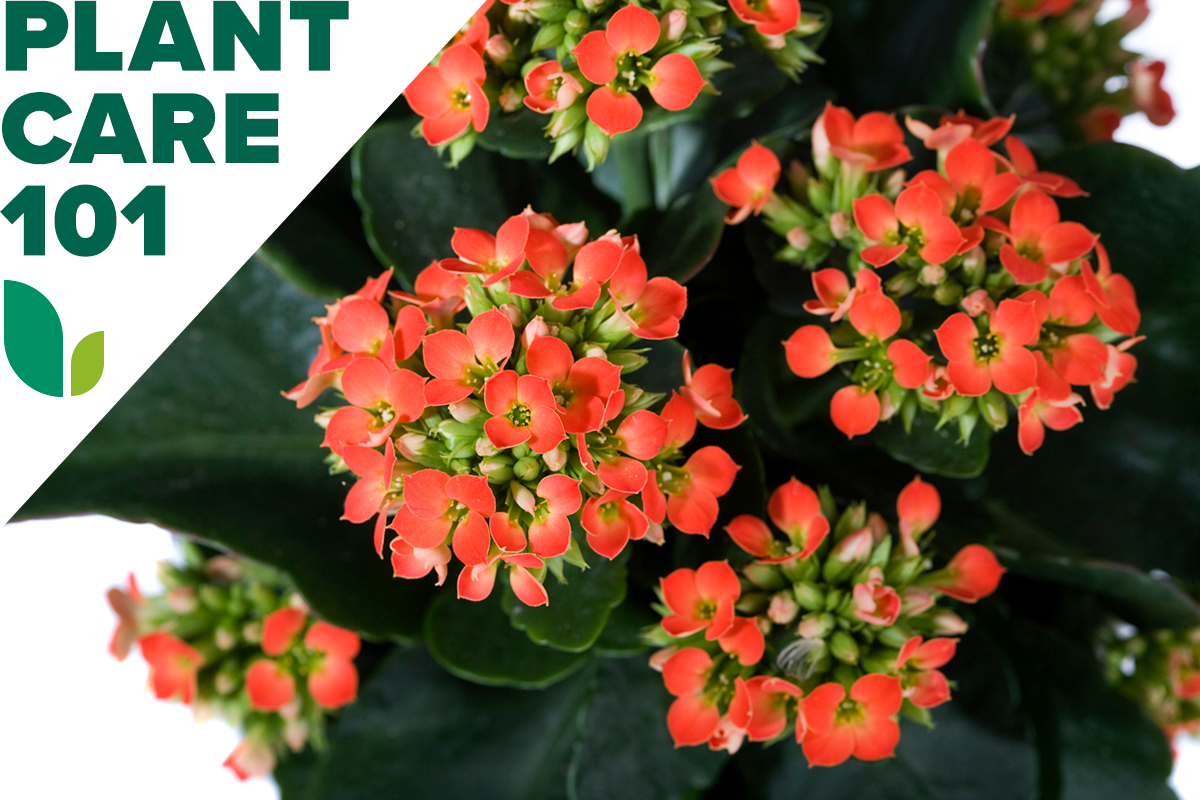
Most flowering kalanchoes sold as houseplants are Kalanchoe blossfeldiana, also called florist kalanchoe, Christmas kalanchoe, flaming Katy, or Madagascar widow’s-thrill. The plant is native to Madagascar, belongs to the Crassulaceae family, and is loved for its long-lasting blooms in red, pink, orange, yellow, salmon, magenta, and white. Unlike cut flowers that begin plotting their dramatic farewell the moment you bring them home, kalanchoe can flower for weeks and, with the right routine, bloom again year after year.
The secret to great kalanchoe plant care is simple: bright light, fast-draining soil, careful watering, and a little seasonal trickery when you want more flowers. It is not a fussy diva. It is more like a compact, colorful succulent with a calendar reminder hidden in its leaves.
Kalanchoe Plant Care at a Glance
- Common name: Kalanchoe, florist kalanchoe, flaming Katy
- Botanical name: Kalanchoe blossfeldiana
- Plant type: Flowering succulent perennial
- Mature size: Usually 6 to 18 inches tall indoors
- Light: Bright indirect light or gentle direct sun
- Soil: Well-draining cactus or succulent mix
- Water: Let soil dry between waterings
- Temperature: Average indoor temperatures, ideally around 60 to 80 degrees Fahrenheit
- Humidity: Low to average household humidity
- Fertilizer: Light feeding during active growth
- Propagation: Stem cuttings or leaf cuttings
- Pet safety: Toxic to cats and dogs if eaten
What Makes Kalanchoe So Popular?
Kalanchoe has earned its place on grocery-store shelves, florist counters, sunny windowsills, and office desks for one very good reason: it gives a lot of color for very little effort. The thick, fleshy leaves store water, helping the plant survive dry spells. The flowers sit above the foliage in tight clusters, creating a cheerful display that looks much more expensive than the plant usually is.
It is also compact. A kalanchoe can brighten a kitchen windowsill, small apartment, dorm room, bathroom shelf with enough light, or patio table in warm weather. It is not likely to take over your living room like a dramatic monstera or demand a humidifier, opera music, and filtered moonlight. Give it sun, drainage, and restraint with the watering can, and it will usually behave beautifully.
Best Light for Kalanchoe
Light is the engine behind kalanchoe growth and flowering. Indoors, place the plant near an east-, south-, or west-facing window where it can receive bright light. Bright indirect sunlight is ideal for most homes, although a few hours of gentle morning sun can help the plant stay compact and strong.
If the stems stretch, the leaves look spaced out, or the plant leans toward the window like it is trying to escape, it probably needs more light. Rotate the pot every week or two so all sides grow evenly. Outdoors, kalanchoe can handle partial sun to full sun in mild conditions, but hot afternoon rays may scorch the leaves, especially if the plant was raised indoors. Move it outside gradually, starting in bright shade before giving it more sun.
Can Kalanchoe Grow Under Artificial Light?
Yes. If your home is short on natural light, a full-spectrum grow light can help. Place the light close enough to brighten the plant but not so close that it heats or burns the leaves. A timer makes the process easier, especially if you are trying to manage reblooming later in the season.
The Right Soil and Pot
Kalanchoe is a succulent, so soggy soil is its sworn enemy. Use a cactus or succulent potting mix, or create your own blend by mixing regular potting soil with perlite, pumice, coarse sand, or fine gravel. The goal is a mix that holds a little moisture but drains quickly and allows air to reach the roots.
Always choose a pot with drainage holes. This is not optional. A decorative cachepot without drainage may look charming, but it can turn into a tiny swamp where roots go to regret their life choices. If you want to use a decorative outer pot, keep the kalanchoe in a nursery pot inside it and remove the inner pot when watering.
Terracotta or clay pots are excellent for kalanchoe because they allow moisture to evaporate faster than plastic pots. That can be especially helpful for gardeners who water with enthusiasm. If you are more forgetful, plastic may hold moisture longer, but you still need drainage.
How to Water Kalanchoe Without Killing It With Kindness
Overwatering is the most common kalanchoe care mistake. The plant does not want constantly moist soil. It wants a good drink, then a chance to dry out. Before watering, touch the soil. If the top inch or two feels dry, water thoroughly until liquid drains from the bottom of the pot. Then empty the saucer so the roots are not sitting in water.
During active growth and blooming, kalanchoe may need water every one to two weeks, depending on light, temperature, pot size, and soil type. In winter or during slower growth, water less often. The plant will forgive a dry day or two. It may not forgive wet feet.
Signs You Are Overwatering
- Yellowing leaves
- Soft or mushy stems
- Drooping even when soil is wet
- Blackened stem bases
- A sour smell from the potting mix
Signs You Are Underwatering
- Wrinkled or puckered leaves
- Dry, crispy lower leaves
- Soil pulling away from the sides of the pot
- Slow growth during the active season
If the soil has become extremely dry and water runs straight through, soak the pot for 15 to 20 minutes in a shallow container of water, then let it drain fully. Think of it as a spa day, not a new lifestyle.
Temperature and Humidity
Kalanchoe enjoys normal indoor temperatures. A range of about 60 to 80 degrees Fahrenheit is comfortable, though cooler nights can help flowers last longer. Protect the plant from frost, cold drafts, heating vents, and sudden temperature swings. If you move it outdoors for summer, bring it back inside before nights get chilly.
Unlike tropical houseplants that beg for humidity, kalanchoe is content in average to dry household air. Do not mist it. Misting can encourage fungal problems on leaves and flowers, especially when airflow is poor. If dust collects on the leaves, wipe them gently with a soft, dry or barely damp cloth.
Fertilizing Kalanchoe
Kalanchoe is not a heavy feeder. During spring and summer, feed once a month with a balanced houseplant fertilizer diluted to half strength. If your goal is better flowering, a bloom-supporting fertilizer with slightly higher phosphorus can be used during active growth. Avoid fertilizing in winter when growth slows, unless the plant is actively blooming and pushing new growth in a bright spot.
Too much fertilizer can lead to salt buildup, weak growth, and fewer flowers. When in doubt, feed less. Kalanchoe prefers modest meals, not an all-you-can-eat buffet.
Pruning and Deadheading
Deadheading spent flowers keeps kalanchoe tidy and helps the plant direct energy into healthy growth. Once a flower cluster fades and dries, snip it off at the base of the flower stem with clean scissors or pruners.
If the plant becomes leggy, prune back stretched stems after flowering. This encourages a fuller shape and prevents the plant from looking like it is auditioning for a role as a tiny tree. Always use clean cutting tools to reduce the risk of spreading disease.
How to Get Kalanchoe to Rebloom
Kalanchoe is a short-day plant, meaning it sets flower buds when nights are long and uninterrupted. This is the part of kalanchoe care that feels a little like running a plant hotel with strict blackout curtains.
To encourage reblooming, give the plant about 14 hours of complete darkness each night for roughly six weeks. During the day, return it to bright light. The easiest method is to place the plant in a dark closet, unused room, or covered box from early evening until morning. The darkness must be consistent. Even household lamps can interrupt the process.
After six weeks of long nights, return the plant to its normal bright location. Flower buds should develop, and blooms may follow several weeks later. For many homes, this schedule works well in fall or early winter, when natural days are already shorter.
Reblooming Checklist
- Start after the plant has finished its previous bloom cycle.
- Prune old flower stems and leggy growth.
- Keep the plant in bright light during the day.
- Provide 14 hours of uninterrupted darkness nightly for six weeks.
- Water lightly and avoid heavy fertilizer during bud initiation.
- Move back to normal care once buds are visible.
Repotting Kalanchoe
Repot kalanchoe every one to two years, or when roots fill the pot, the soil becomes compacted, or water stops draining properly. Choose a pot only one size larger than the current container. A pot that is too large holds extra soil, and extra soil holds extra moisture. Extra moisture, as we have established, is where kalanchoe happiness goes to disappear.
The best time to repot is after flowering or in spring. Remove the plant gently, shake away old soil, trim any dead or mushy roots, and replant in fresh succulent mix. Wait a few days before watering if roots were damaged during the process.
How to Propagate Kalanchoe
Kalanchoe is easy to propagate from stem cuttings. Cut a healthy, non-flowering stem about 2 to 4 inches long. Remove the lower leaves and allow the cut end to callus for a day or two. Then place it in lightly moist, well-draining potting mix. Keep it in bright indirect light and avoid overwatering while roots form.
Leaf cuttings may also root, though they can take longer. Some kalanchoe species produce tiny plantlets along leaf edges. These can be removed and potted separately once they are large enough to handle.
Common Kalanchoe Problems
Root Rot
Root rot is usually caused by poor drainage or watering too often. If stems are mushy and the soil smells bad, remove the plant from the pot, trim away damaged roots, and repot in fresh dry mix. If the base is too far gone, take healthy stem cuttings and start over.
Leggy Growth
Leggy growth usually means the plant needs more light. Move it closer to a bright window or add a grow light. Prune stretched stems to restore a compact shape.
No Flowers
If your kalanchoe looks healthy but refuses to bloom, it may not be getting enough darkness at night. Try the six-week long-night routine. Also check that the plant is receiving strong light during the day, because weak plants rarely bloom well.
Mealybugs, Aphids, and Scale
Mealybugs look like tiny white cottony spots, often hiding where leaves meet stems. Aphids may gather on tender growth, while scale insects appear as small bumps. Isolate the plant, wipe pests away with a cotton swab dipped in rubbing alcohol, and repeat as needed. For bigger problems, use insecticidal soap according to label directions.
Powdery Mildew
Poor airflow, overcrowding, and wet foliage can contribute to powdery mildew. Space plants properly, avoid misting, water at the soil level, and remove affected leaves if needed.
Is Kalanchoe Safe for Pets?
Kalanchoe is toxic to cats and dogs if ingested. The plant contains compounds known as bufadienolides, which can cause vomiting, diarrhea, and, in rare serious cases, abnormal heart rhythm. Keep kalanchoe away from pets and children who may chew plants. If a pet eats kalanchoe, contact a veterinarian or poison control service promptly.
Best Places to Display Kalanchoe
Kalanchoe looks best where its flowers can be seen up close. Place it on a sunny kitchen sill, a bright desk, a plant shelf, or a covered porch during warm weather. It pairs well with other succulents such as echeveria, jade plant, sedum, and small aloe varieties, as long as all plants share similar light and water needs.
Avoid placing kalanchoe in dark corners, sealed terrariums, or bathrooms without enough light. While the plant is adaptable, it is not magic. It still needs sunshine to fuel those jewel-toned flowers.
Seasonal Kalanchoe Care Calendar
Spring
Prune after flowering, refresh soil if needed, and begin light fertilizing when new growth appears. This is also a good time to take stem cuttings.
Summer
Keep the plant in bright light and water when the soil dries. If outdoors, protect it from harsh afternoon sun and heavy rain. Watch for pests.
Fall
Start the reblooming routine by giving the plant long, uninterrupted nights. Bring outdoor plants indoors before cold weather arrives.
Winter
Enjoy the flowers, reduce watering slightly, and keep the plant away from chilly windows and heating vents. Skip fertilizer unless the plant is actively growing in strong light.
Real-Life Experience: What Kalanchoe Teaches You After a Few Seasons
The first thing you learn from growing kalanchoe is that this plant does not appreciate being loved too aggressively. Many beginners see those thick leaves and bright flowers and think, “This beauty must need constant care.” Then they water it every three days, mist it like a fern, tuck it into a pot without drainage, and wonder why it collapses like a wet paper bag. Kalanchoe is a succulent. It wants confidence, not clinginess.
One of the best experiences with kalanchoe is learning to read the pot instead of the calendar. A plant in a small terracotta pot near a sunny window may dry quickly. Another in a plastic pot on a cooler shelf may stay damp much longer. The finger test is more reliable than any strict watering schedule. Push a finger into the soil. If it feels dry, water. If it feels cool and damp, walk away heroically. That moment of restraint is often what saves the plant.
Another lesson comes after the flowers fade. Many people assume kalanchoe is a disposable gift plant, like a bouquet with roots. But after deadheading the old flowers and giving the plant a sunny resting spot, it keeps growing. The leaves remain glossy and attractive, even when the plant is not blooming. This is where kalanchoe becomes more rewarding than expected. It is not just a temporary splash of color; it is a long-term houseplant with a dramatic seasonal encore.
The reblooming process can feel strange the first time. Putting a plant in a closet every evening sounds less like gardening and more like a sitcom subplot. But after several weeks of long nights, the payoff is real. Tiny buds begin to rise above the leaves, and suddenly your patient little succulent looks ready for a parade. The key is consistency. A forgotten evening or two may not ruin everything, but regular darkness makes a big difference.
Kalanchoe also teaches smart placement. A plant sitting too far from a window grows lanky and dull. Move it closer to bright light, and the difference is obvious. The stems become sturdier, the leaves look richer, and the whole plant appears more awake. In hot climates or during summer, however, too much direct afternoon sun can scorch leaves. The sweet spot is bright, generous light without turning the plant into a pancake on a griddle.
Repotting provides another useful experience. When a kalanchoe has been sitting in old nursery soil for too long, watering becomes unpredictable. The mix may dry into a hard block or stay wet around the roots. Repotting into a gritty succulent blend often improves the plant almost immediately. Fresh soil, a drainage hole, and a slightly larger pot can make the difference between “barely surviving” and “look at me, I am thriving.”
Finally, kalanchoe is a great confidence builder. It is colorful enough to feel special but tough enough to forgive ordinary human behavior. It can handle a missed watering, tolerate dry indoor air, and bounce back from a light pruning. It rewards observation more than fussing. Once you understand its basic preferences, kalanchoe care becomes pleasantly simple: light, drainage, patience, and the wisdom to put down the watering can before things get weird.
Conclusion
Kalanchoe plant care is refreshingly straightforward once you understand its succulent nature. Give it bright light, a fast-draining potting mix, careful watering, and protection from frost. Prune spent flowers, feed lightly during active growth, and use the long-night method when you want another round of blooms. The result is a compact, colorful houseplant that can brighten a room for weeks and return for repeat performances.
Whether you bought one at a garden center, received it as a holiday gift, or rescued it from the discount shelf with heroic optimism, kalanchoe is worth keeping. Treat it less like a thirsty tropical plant and more like the sun-loving succulent it is, and it will reward you with glossy leaves, cheerful flowers, and just enough gardening success to make you consider buying another one.