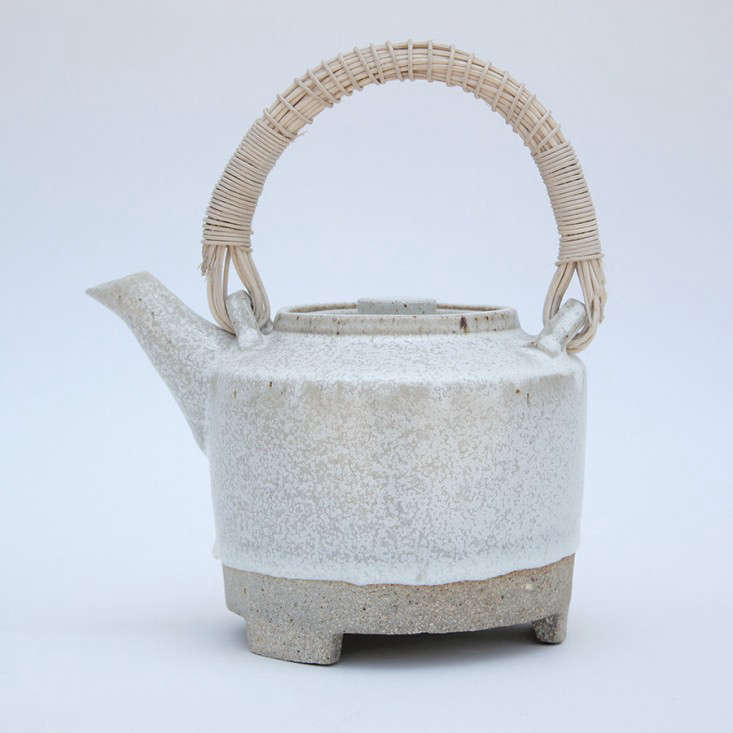
Some teapots are loud. They march onto the table like they have their own publicist, demanding admiration before you have even boiled the water. The Eric Vandermolen Ceramics Tea Pot does something far more interesting: it earns attention slowly. It looks handmade without feeling clumsy, rustic without looking rough, and refined without becoming precious. In a world full of over-designed kitchenware that seems desperate to be photographed, this teapot feels calm, useful, and quietly confident.
That balance is a big part of its appeal. Public descriptions of the piece present it as a handmade ceramic teapot from Napa’s Pope Valley, built in white ware with a white glaze and a woven handle. Those details matter because they immediately place the pot in a sweet spot between studio pottery tradition and everyday usability. It is not trying to be a machine-perfect tea gadget. It is trying to be a vessel with charactersomething you reach for when tea is less about speed and more about rhythm.
And honestly, that may be why the piece still sparks curiosity. Handmade teapots are among the most demanding forms in ceramics. A mug can get away with a charming flaw. A bowl can lean poetic if it wants. A teapot, meanwhile, has to do everything: pour cleanly, feel balanced, hold heat reasonably well, fit the hand, seat the lid properly, and still look good sitting on the counter when the tea leaves are off duty. It is a ceramic overachiever.
Why This Tea Pot Stands Out
The first thing that makes the Eric Vandermolen Ceramics Tea Pot memorable is its restraint. The piece has been described as a polished take on rustic earthenware, and that phrase tells you almost everything you need to know. “Rustic” suggests warmth, tactility, and a human hand. “Polished” suggests control, editing, and a refusal to let the form get muddy. Put together, those qualities create a teapot that likely feels grounded rather than flashy.
That design attitude fits beautifully within the larger tradition of functional ceramics. Across the studio pottery world, potters often talk about the relationship between form and function as if it were a marriage counselor’s favorite topic. The best handmade objects are not simply pretty. They are shaped by use, touch, storage, pouring, cleaning, and repetition. A teapot succeeds not only because it looks elegant on a shelf, but because it behaves well when hot water, wet leaves, and sleepy hands enter the conversation.
In that regard, the Vandermolen tea pot appears to understand its job. Its compact size gives it intimacy. A large teapot can serve a crowd, but a smaller one feels personal. It is the kind of object that suggests a deliberate tea break, a slow afternoon, or a kitchen ritual shared by two people rather than a banquet for twelve. That modest scale helps the piece feel approachable, and approachability is a virtue in handmade ceramic design. Nobody wants a teapot that looks like it should be insured separately.
The Design Language: White Ware, White Glaze, and a Woven Handle
Let’s talk materials and visual character, because this is where the piece really develops its identity. The public product description points to white ware and a white glaze. That combination tends to create a clean, luminous appearance, but not the sterile kind of clean that screams “dentist’s office.” In handmade ceramics, white surfaces can highlight form, proportion, and shadow. They let the silhouette do the talking. Every curve, lid line, and spout angle becomes more visible because the color is not trying to steal the scene.
Then there is the woven handle, which is arguably the teapot’s most charming gesture. A woven handle introduces softness against the firmness of ceramic. It adds texture, warmth, and a subtle handcrafted note that feels rooted in utility. It also creates a gentle visual contrast: smooth glazed body, tactile handle, quiet drama. Good design loves that kind of contrast. It says, “Yes, this is lovely to look at, but go ahead and use it.”
From a styling standpoint, the pot likely works well in multiple settings. It could live comfortably in a minimalist kitchen with oak shelves and linen napkins. It could also make sense in a more rustic interior where handmade tableware, vintage wood, and slightly imperfect finishes are part of the charm. That versatility matters online and in real homes. People do not just buy a handmade ceramic teapot for tea. They buy it because they want their kitchen to feel more human.
Eric VanderMolen’s Broader Craft Context
One reason this tea pot invites deeper interest is that Eric VanderMolen’s broader public profile suggests a maker shaped by both experimentation and practical craftsmanship. A later profile from clé describes him as someone with a background in biology, physiology, and chemistry who found in ceramics a satisfying overlap between process, systems, tactility, and artistic expression. That blend of science and art is catnip for good pottery. Glaze chemistry, kiln behavior, clay body response, and functional form all reward a maker who likes both intuition and control.
Other public references connect VanderMolen with Pope Valley pottery, collaborative dinnerware work, Bay Area stoneware, and utilitarian ceramics exhibitions. In plain English, he does not come across as a maker who only wants to produce objects that sit politely in glass cabinets. The thread running through the available information is use: dishes for the table, vessels for the home, surfaces shaped by fire, and craft rooted in daily life. That context strengthens the appeal of the tea pot because it suggests the piece was conceived as a functional object first and a decorative one second.
That order matters. Many of the best teapots in ceramics history, whether museum-held design classics or contemporary studio pieces, succeed because beauty arrives through purpose. The curve of a handle, the pitch of a spout, the width of a lid opening, and the relationship between body and base are not random style flourishes. They are design choices informed by behavior. A teapot is not just a sculpture that happens to tolerate liquid. It is choreography in clay.
What Makes a Handmade Ceramic Teapot Actually Good?
If you are shopping for a piece like this, or even just admiring it from afar and pretending your kitchen is more organized than it really is, it helps to understand the qualities that separate a good ceramic teapot from a shelf ornament with ambition.
1. A Clean Pour
A teapot should pour without dribbling down its own chin like it just told an emotional story. Potters and ceramics educators repeatedly return to the importance of spout termination, angle, and proportion because these details affect whether liquid flows cleanly or misbehaves. A beautiful teapot that pours badly becomes a decorative lesson in disappointment.
2. Comfortable Balance
Even a small teapot changes character when filled with hot water. Suddenly, weight distribution matters. The handle should feel trustworthy, the body should not feel awkwardly front-heavy, and the lift should feel natural. Handmade pieces can excel here because the maker is often thinking specifically about how the hand meets the object, not just how the object looks in a product photo.
3. Lid Security
A great teapot lid sits well, pours with confidence, and does not feel like it is considering an escape. Functional teapot design depends on thoughtful galleries, flanges, and fitted relationships between components. Even in an artful handmade pot, the lid should feel intentional rather than lucky.
4. Access and Cleanability
This may not be glamorous, but it is important. Loose-leaf tea is wonderful until you are trying to clean out the soggy remains with the patience of a raccoon in a recycling bin. A usable teapot needs an opening that allows practical cleaning, especially if it is meant for regular brewing rather than occasional display.
5. Tactile Pleasure
One of the lasting gifts of handmade pottery is that it turns ordinary habits into sensory experiences. The thumb on the handle, the warmth through the body, the slight resistance of a lid, the visual softness of glaze over claythese things matter. Functional pottery lives or dies by the quality of touch.
How This Tea Pot Fits Into the Tradition of Functional Pottery
The Eric Vandermolen Ceramics Tea Pot belongs to a wider tradition in which handmade tableware is not separated from everyday life. In that tradition, the vessel is part tool, part companion, part design object. Museums preserve historic teapots because they reveal how beauty and daily routine intersect. Contemporary ceramics publications celebrate teapots because they remain one of the most technically complex and emotionally resonant forms in the studio.
That may sound lofty for a pot that holds tea, but tea culture has always had a talent for making containers matter. Across time, seemingly modest ceramic vessels have become treasured because they gather meaning through use. A humble jar can become revered. A simple teapot can become iconic. Not because clay is magical on its own, but because people return to these objects again and again, layering memory onto material.
That idea helps explain the appeal of Vandermolen’s teapot. It is not only about its white glaze or woven handle. It is about the promise of repetition: boil water, measure leaves, pour, pause, repeat. Good handmade pottery supports those acts without turning them into performance art. It gives routine a little dignity. It makes the kitchen feel less like a place where you frantically look for snacks and more like a place where life actually happens.
Styling and Collecting: Who Is This Tea Pot For?
This piece is likely to appeal to several kinds of buyers. First, there is the studio pottery enthusiastthe person who notices glaze depth, form proportion, and the slight irregularities that signal a real hand in the making. For that person, the Vandermolen tea pot offers quiet sophistication without looking mass-produced.
Second, there is the design-minded home collector who may not know every pottery term but knows exactly how a handmade object changes the mood of a room. A white ceramic teapot with a woven handle can soften a kitchen, elevate open shelving, and bring warmth to a table setting without trying too hard. It photographs well, yes, but more importantly, it lives well.
Third, there is the tea drinker who wants ritual. Not every tea lover wants electric precision kettles, numbered brewing programs, and enough accessories to launch a tiny moon mission. Some want a teapot that feels grounded, tactile, and real. This is the lane where a handmade ceramic tea pot shines.
Experience Section: Living With an Eric Vandermolen Ceramics Tea Pot
What is the experience of a teapot like this, really? Not in the abstract language of design essays, but in actual life, where counters get cluttered and mornings begin with questionable decision-making? That is where the piece becomes more than an object listing.
Imagine reaching for it on a cool morning. The kitchen is still quiet, the kind of quiet that makes every little sound feel important: the click of the kettle switch, the rustle of tea leaves, the soft contact of ceramic on wood. A handmade teapot changes the rhythm of that moment. You move a bit slower. Not because the pot forces some mystical enlightenment on you, but because handmade objects naturally invite attention. You notice the curve of the handle, the way the glaze catches pale light, the little visual pause before the first pour.
Then there is the simple pleasure of scale. A compact tea pot does not feel like catering equipment. It feels conversational. It is enough for one long mug or a couple of thoughtful cups. It encourages a tea break that feels intentional rather than industrial. You are not brewing a vat. You are making a pocket of time.
Over days and weeks, the experience becomes less about novelty and more about familiarity. You learn how the lid sits. You learn the angle of the pour. You learn where it looks best when not in useon open shelving, beside a stack of cups, on the corner of a table where afternoon light makes the white glaze look almost soft. The pot becomes part of the room’s emotional furniture, even though it started as kitchenware.
Guests notice it, too. Not always in a dramatic way. Sometimes they simply ask, “Where did you get that teapot?” That question is the handmade-object equivalent of a standing ovation. It means the piece has presence. It means it communicates without shouting. And when you pour from it, the teapot gets to complete the argument: beauty is nice, but usefulness seals the deal.
There is also something satisfying about owning a teapot that does not pretend perfection. Handmade ceramics carry slight differences in surface, line, and feeling. Those tiny variations are not flaws to apologize for. They are evidence that a person, not a factory rhythm, shaped the object. In a home filled with screens, sealed packages, and things that arrive suspiciously fast, that human trace feels refreshing.
Even the woven handle contributes to the emotional experience. It softens the visual language of the pot and gives it a hint of warmth before any tea is brewed. The contrast between ceramic body and woven detail keeps the piece from feeling cold or overly formal. It is elegant, but not uptight. It has manners, but it also knows how to relax.
That is probably the best way to describe the long-term experience of a piece like the Eric Vandermolen Ceramics Tea Pot: it makes ordinary tea feel a little more considered. Not fussy. Not ceremonial in a way that scares people off. Just considered. It reminds you that design can serve daily life without becoming a lecture, and that even one well-made object can gently improve the atmosphere of a home. Which is a lot to ask from a teapot, surebut some teapots are built for exactly that kind of overachievement.
Final Thoughts
The Eric Vandermolen Ceramics Tea Pot is compelling because it appears to do what the best handmade functional pottery does: it bridges beauty and use without making either side feel compromised. Its white ware body, white glaze, woven handle, and compact scale give it an understated elegance. The broader context of Eric VanderMolen’s workspanning functional ceramics, collaborative tableware, stoneware practice, and technically informed craftadds depth to the object and helps explain why it still feels relevant.
For collectors, tea lovers, and design-minded homeowners, this tea pot represents more than a serving vessel. It stands as an example of how studio pottery can enrich everyday life through thoughtful form, tactile presence, and the quiet luxury of something made by hand. In other words, it does not just hold tea. It holds mood, habit, and a little bit of domestic grace. Not bad for six inches of ceramic and one very hardworking handle.