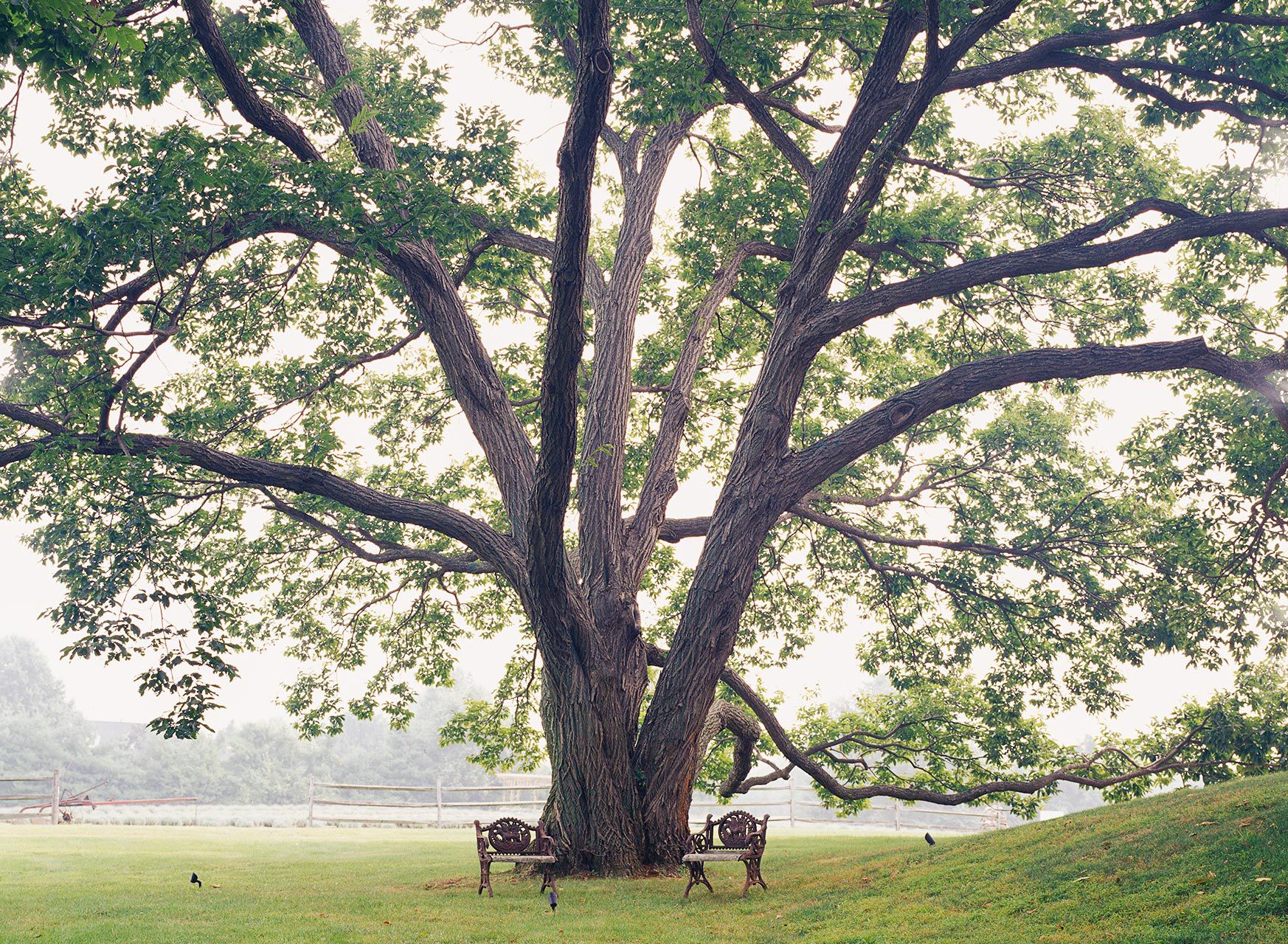
If your backyard feels like a frying pan by 2 p.m., you are not alone. A well-placed shade tree can cool a hot yard, soften harsh sunlight, make outdoor spaces more comfortable, and add the kind of beauty that no patio umbrella can fake. A great shade tree does not just stand there looking leafy and important. It changes how your yard feels. It turns a bright, exposed lawn into a place where kids can play, dogs can nap, and humans can pretend they are “enjoying nature” instead of hiding from the heat.
The trick, of course, is choosing the right tree. Not every shade tree belongs in every yard. Some grow fast but need more moisture. Some are slow and majestic, which is a lovely way of saying they reward patience rather than impatience and a shovel. Some have spectacular fall color. Others win with bark, flowers, wildlife value, or sheer canopy size. The best shade trees block the sun and make the landscape look better, not like a random green blob landed in the middle of the lawn.
Below are 10 of the best shade trees for American yards, plus advice on where each one shines, what to watch for, and how to match a tree to your space so you do not plant a future giant under power lines and call it optimism.
What Makes a Shade Tree Worth Planting?
The best shade trees usually have three things in common: a broad canopy, strong landscape value, and a good match with local conditions. That last part matters most. A tree that thrives in moist, slightly acidic soil may sulk in compacted clay. A tree that becomes magnificent at maturity may also become your roof’s closest friend if you plant it too close to the house. In other words, “right tree, right place” is not boring nursery talk. It is the difference between a thriving yard and a long-term argument with a chainsaw.
When shopping for backyard trees, think about mature height and spread, sunlight exposure, drainage, soil type, and climate. Also think about purpose. Do you want dense shade over a patio? Filtered afternoon shade over a lawn? Summer cooling on the west side of the house? A beautiful specimen tree that also improves curb appeal? The answers help narrow the field quickly.
The 10 Best Shade Trees to Block the Sun and Beautify Your Yard
1. Red Maple (Acer rubrum)
Red maple is one of the most dependable choices for homeowners who want a fast-growing shade tree with serious good looks. It establishes relatively easily, adapts to a wide range of conditions, and brings multi-season interest with red spring flowers, attractive foliage, and strong fall color. If your goal is to cool a yard without waiting half your life, red maple is a smart contender.
Why it works: It grows faster than many classic shade trees and creates a rounded canopy that offers generous cover. Best for: Homeowners who want a balance of shade, beauty, and adaptability. Watch for: It generally prefers acidic to neutral soil and may struggle in alkaline conditions. In plain English: if your soil is wrong, red maple can become dramatic in the least entertaining way.
2. Northern Red Oak (Quercus rubra)
Northern red oak is the kind of tree that looks like it was born to anchor a yard. It grows faster than many other oaks, develops a broad crown, and offers dependable summer shade once established. It also brings strong wildlife value and bold fall color, which makes it practical and handsome at the same time.
Why it works: This is a classic large canopy tree with a strong structure and long-term presence. Best for: Bigger lawns, front yards that need a focal point, and homeowners who want a tree that feels substantial. Watch for: It needs room. Also, in some regions, red oaks can be vulnerable to oak wilt, so pruning timing and local guidance matter.
3. White Oak (Quercus alba)
If you want the “future generations will thank me” option, plant a white oak. It is slower than a red maple or tuliptree, but it makes up for that with longevity, stately form, and a broad, rounded canopy that becomes more impressive with age. White oak is the kind of tree that gives a yard gravitas. Suddenly your property looks less like a subdivision lot and more like an estate with opinions.
Why it works: Magnificent shade, strong branching, and timeless beauty. Best for: Large yards where the tree can mature without crowding structures. Watch for: It is not the impatient gardener’s tree. Think legacy planting, not instant patio makeover.
4. Sugar Maple (Acer saccharum)
Sugar maple is beloved for a reason. It forms a dense, rounded crown, casts excellent shade, and delivers some of the best fall color in the landscape world. In the right setting, it is elegant without being fussy and classic without being boring. If red maple is the eager overachiever, sugar maple is the polished valedictorian.
Why it works: Dense shade, refined form, and spectacular autumn color. Best for: Traditional landscapes, larger lawns, and homeowners who want a high-impact shade tree with serious seasonal beauty. Watch for: It prefers fertile, moist, well-drained soil and does not love compacted sites, road salt, or rough urban conditions. This is not the tree for a tiny hellstrip that gets every bad decision.
5. Tuliptree or Tulip Poplar (Liriodendron tulipifera)
Tuliptree is a terrific option if you want fast growth and a tall, elegant silhouette. Its leaves are distinctive, its spring flowers are unusual, and its mature canopy can provide excellent shade. It tends to grow upright when young and more broadly with age, which makes it a strong fit for yards that need vertical presence first and wider cooling power later.
Why it works: Fast growth, unique foliage, and a graceful shape. Best for: Spacious yards with deep, well-drained soil and consistent moisture. Watch for: Tuliptree does best in good soil and is less happy in extremely dry or soggy locations. In other words, it likes balance, which is more than can be said for most homeowners during summer watering season.
6. River Birch (Betula nigra)
River birch is one of the best shade trees for homeowners dealing with wetter soils or a site that stays moist longer than average. It grows fairly quickly, handles heat better than many birches, and brings standout ornamental bark in shades of tan, cream, and cinnamon. Even in winter, it still has something to say.
Why it works: Adaptable, fast-growing, and beautiful in all four seasons. Best for: Low areas, rain gardens, and landscapes that need a shade tree with texture and movement. Watch for: It prefers acidic soil and can struggle in alkaline conditions. Multi-stem forms look gorgeous, but make sure you have enough width for the mature spread.
7. American Linden or Basswood (Tilia americana)
American linden is a wonderful choice for homeowners who want a full, handsome canopy and a tree that feels lush and generous. Its rounded crown provides solid shade, and its fragrant flowers are a bonus in early summer. This is a tree that makes a yard feel established even when the paint on the fence is still trying to figure itself out.
Why it works: Dense shade, classic form, and pollinator-friendly flowers. Best for: Lawns with decent moisture and enough room for a medium-to-large tree to spread. Watch for: It prefers well-drained soil with adequate moisture. During drought, it may show stress, so it appreciates some care while establishing and during rough summers.
8. Pin Oak (Quercus palustris)
Pin oak is popular for good reason. It is easier to transplant than many oaks, grows at a respectable pace, and develops a neat pyramidal shape when young before broadening with age. The branching structure is attractive, the summer canopy is useful, and the fall color can be rich and warm.
Why it works: Reliable shade, handsome form, and good tolerance for tough urban conditions in the right soil. Best for: Larger suburban yards, parks, and properties that need an oak with a slightly faster payoff. Watch for: Pin oak does poorly in alkaline soils and may develop chlorosis if planted where the pH is too high. It is a good tree in the right place and a sulky one in the wrong place.
9. American Sycamore (Platanus occidentalis)
American sycamore is a giant, and it does not pretend otherwise. It offers massive shade, bold character, and striking mottled bark that turns the trunk into part of the visual show. In a large yard, this tree can create the kind of dramatic canopy that makes summer afternoons feel several degrees more civilized.
Why it works: Huge canopy, strong visual impact, and tolerance for a range of soils, especially where moisture is available. Best for: Expansive properties where a very large tree will not crowd the house, sidewalk, or septic line. Watch for: It is not a small-yard solution. Planting a sycamore in a postage-stamp yard is like buying a grand piano for a broom closet.
10. Live Oak (Quercus virginiana)
For warm-climate homeowners, live oak is one of the greatest shade trees on the planet. Its wide-spreading canopy, muscular branching, and year-round presence make it a Southern icon for a reason. When mature, it creates glorious shade and serious curb appeal. A live oak does not merely decorate a yard. It presides over it.
Why it works: Enormous spread, long life, and unforgettable structure. Best for: Southern and coastal landscapes with ample room. Watch for: It needs space, and plenty of it. This is not a “tuck it near the driveway and hope” tree. It is a main-character tree.
How to Choose the Right Shade Tree for Your Yard
If you want quick shade, lean toward red maple, river birch, tuliptree, or pin oak. If you want a long-lived landscape tree with classic structure, white oak, northern red oak, and live oak are standout choices. If your site is moist, river birch and sycamore can be especially useful. If fall color matters most, sugar maple and red maple deserve a serious look. If fragrance and pollinator value matter, American linden adds another layer of charm.
Placement matters just as much as species. Deciduous trees can help cool west- and south-facing parts of the yard during summer while allowing more winter light after leaf drop. But always think about mature spread, roots, overhead lines, and clearance from the house. The cutest sapling in the nursery can become tomorrow’s “why is this branch scraping my bedroom window at 3 a.m.?” situation.
Final Thoughts
The best shade trees do more than block the sun. They shape outdoor living, improve comfort, raise visual appeal, and create the kind of yard that feels intentional rather than accidental. The ideal choice depends on your region, soil, available space, and patience level. If you choose well, plant correctly, and give the tree a strong start, you are not just landscaping. You are building future shade, future beauty, and future excuses to spend more time outside.
So yes, a good shade tree can beautify your yard. But it can also save your patio from becoming a summer griddle, make your lawn feel softer and cooler, and turn your property into the house people slow down to admire. That is a lot of value from one hole in the ground.
Real-World Experiences With Shade Trees in the Yard
One of the most noticeable things homeowners say after planting the right shade tree is that the entire yard starts to feel different long before the tree reaches full maturity. Even a younger tree, once it begins spreading, changes how sunlight moves across a property. A west-facing patio that used to bake through late afternoon can become usable again. A patch of lawn that once crisped up every July can stay greener longer. The shift is not just visual. It is physical. The yard feels calmer, cooler, and more inviting.
There is also an emotional side to planting shade trees that people do not always expect. Fast-growing trees such as red maple or river birch offer the thrill of visible progress. You plant them small, and within a few seasons they begin to look like they mean business. Slower trees such as white oak or sugar maple are different. They teach patience. At first, they seem almost modest. Then, over time, they become the landscape. Homeowners often talk about these trees as if they are longtime family members, because eventually they are tied to birthdays, backyard dinners, graduation photos, and the annual ritual of sweeping leaves while pretending not to complain.
There are practical lessons too. People with wet spots in the yard often discover that river birch is not just pretty bark and nice foliage. It can be one of the few trees that actually looks happy where other trees would pout. Homeowners who plant tuliptrees learn quickly that fast growth feels wonderful, but only if the tree has enough space and decent soil. Linden owners often become evangelists for fragrant summer blooms. Oak owners become patient philosophers. Sycamore owners, meanwhile, eventually realize they have planted a legend and a leaf-producing machine at the same time.
Another common experience is discovering that shade changes how the rest of the landscape works. Once the canopy begins to fill in, people often add a bench, a hammock, a birdbath, or a shade garden underneath. Suddenly the tree is not just a tree. It is the reason a neglected corner becomes the best part of the property. It is where the dog sleeps, where kids read, where guests drift during cookouts, and where the air feels a little kinder in August.
Of course, real-life tree ownership also comes with humbling moments. New homeowners sometimes underestimate mature size and plant too close to a house, sidewalk, or driveway. Others choose a species because it looks gorgeous in a catalog without considering soil pH, drainage, or climate. Those are usually the people who later become very passionate about the phrase “right tree, right place.” Experience is a wonderful teacher, but it can also be expensive if a giant tree ends up in a very tiny mistake.
The happiest stories usually come from homeowners who matched the tree to the site and gave it a good start. They watered consistently during establishment, mulched properly, avoided volcano mulching around the trunk, and resisted the urge to over-prune. Years later, they are the ones enjoying filtered morning light, cooler afternoons, brighter fall color, and the kind of backyard atmosphere that feels mature and settled. A great shade tree will not fix every landscape problem, but it comes surprisingly close. When chosen well, it becomes the feature that makes the whole yard make sense.