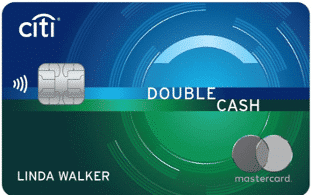
The Citi Double Cash® Card has never tried to be the peacock of the credit card world. There are no velvet-rope airport lounges, dramatic metal-card sound effects, or complicated quarterly categories requiring a spreadsheet and three reminder alarms. Instead, it offers something refreshingly practical: unlimited 2% cash back on everyday purchases when you buy and pay.
That simple formula has helped Citi Double Cash remain one of the most recognizable flat-rate cash back credit cards in the United States. The card charges no annual fee, currently includes a welcome bonus for eligible new cardmembers, and provides a lengthy introductory balance-transfer offer. It can also earn elevated rewards on certain reservations made through Citi Travel.
However, simplicity does not mean perfection. The card’s second 1% reward arrives only as purchases are paid, its foreign transaction fee makes it a poor international travel companion, and its regular variable APR can quickly overwhelm the value of the rewards. This Citi Double Cash review examines the numbers, benefits, limitations, ideal users, and real-world experience of carrying the card.
Core offer details verified against Citi’s current card page, benefits guide and pricing disclosures.
Citi Double Cash Card Overview
| Feature | Current Card Details |
|---|---|
| Annual fee | $0 |
| Standard cash back | Unlimited 1% when you buy and another 1% as you pay |
| Citi Travel rewards | 5% total cash back on eligible hotels, car rentals, and attractions booked through Citi Travel |
| Welcome offer | $200 cash back after spending $1,500 on purchases within the first six months |
| Introductory balance-transfer APR | 0% for 18 months on qualifying transfers completed within four months of opening the account |
| Balance-transfer fee | 3% with a $5 minimum during the introductory transfer window; 5% with a $5 minimum afterward |
| Regular purchase APR | 17.49% to 27.49% variable, depending on creditworthiness |
| Foreign transaction fee | 3% of each purchase in U.S. dollars |
| Recommended credit profile | Generally good to excellent credit, although approval is never guaranteed |
Editorial rating: 4.4 out of 5. Citi Double Cash is a strong choice for uncomplicated domestic cash back, especially for people who pay every statement balance in full. It loses points for international fees, limited premium benefits, and a reward structure that is slightly less immediate than competing cards that deposit the full 2% after each purchase.
Current APR, fees and promotional terms supported by Citi and independently summarized by WalletHub and Forbes Advisor.
How the Unlimited 2% Cash Back Works
The headline “2% cash back” is accurate, but Citi divides the reward into two stages. Cardholders earn 1% when an eligible purchase is made and another 1% as that purchase is paid. Paying the statement balance in full therefore produces the complete 2% return.
Suppose you charge $2,000 in ordinary monthly expenses. The initial purchase rewards would be worth approximately $20. After paying the $2,000 balance, you would earn approximately another $20, creating $40 in total rewards.
There are no rotating categories to activate and no standard spending cap on the 2% earning structure. Groceries, utility bills, online shopping, home repairs, medical copays, and the emergency purchase of a suspiciously expensive replacement water heater can all earn at the same basic rate, assuming the transactions qualify as purchases.
What Does 2% Cash Back Produce Annually?
The value depends on how much normal spending can responsibly be placed on the card:
- $12,000 in annual purchases earns about $240.
- $24,000 in annual purchases earns about $480.
- $36,000 in annual purchases earns about $720.
- $50,000 in annual purchases earns about $1,000.
Because the annual fee is $0, there is no yearly break-even target. A cardholder earning $300 in cash back generally keeps the entire $300 rather than first using part of it to recover a membership fee.
The welcome offer can make the first year more rewarding. A person who spends $24,000 during the year and satisfies the current $1,500 introductory spending requirement could earn approximately $480 from ongoing rewards plus the $200 bonus, for a potential first-year total of about $680.
Reward structure, welcome offer and absence of category caps verified through Citi; straightforward earning model also noted by NerdWallet, Credit Karma and Kiplinger.
Bonus Rewards Through Citi Travel
Citi Double Cash currently earns 5% total cash back on eligible hotel stays, car rentals, and attractions booked through the Citi Travel platform. The total consists of the normal 2% earning rate plus an additional 3% on qualifying portal reservations.
This feature gives the card a little more personality than a completely flat-rate product. A $1,000 eligible hotel reservation could generate approximately $50 in rewards instead of $20.
Still, travelers should compare the portal price with the price available directly from the hotel, rental company, or another booking service. Earning an extra $30 is not a victory if the portal reservation costs $80 more or comes with less flexible cancellation rules. Hotel loyalty benefits may also vary when a reservation is made through a third-party platform.
Redeeming Citi Double Cash Rewards
Rewards are issued through the Citi ThankYou® Points program. Cardholders can generally redeem eligible rewards as a statement credit, direct deposit, or check by mail. Points may also be used for other ThankYou reward options, although redemption values and program rules can vary.
The cash back approach is the easiest: earn points, convert them to cash, and move on with life. No award chart archaeology is required.
The ThankYou Points structure can become more interesting when Citi Double Cash is paired with an eligible Citi travel card. Depending on the linked account and current program rules, combining points may provide access to additional travel redemption or transfer opportunities. This makes Double Cash useful as an “everything else” card within a broader Citi rewards strategy.
Redemption methods and Citi ecosystem benefits supported by Citi and NerdWallet’s current Citi card-pairing analysis.
Citi Double Cash Balance-Transfer Offer
The card is not only a rewards product. Eligible new cardmembers currently receive a 0% introductory APR for 18 months on balance transfers completed within the first four months after account opening.
The introductory transfer fee is 3% of each transferred amount, with a $5 minimum. After the introductory transfer window, the fee rises to 5%, with the same minimum. When the 18-month promotional period ends, any remaining balance becomes subject to the applicable regular variable APR.
A Balance-Transfer Example
Imagine transferring $6,000 from a card charging a high APR. A 3% fee would add $180, producing a total transferred cost of approximately $6,180 if the fee is added to the card balance. Paying about $343.33 every month for 18 months would clear that amount before the promotional period expires, assuming no additional charges or unexpected fees.
This can save substantial interest, but only when accompanied by a repayment plan. A 0% transfer is a runway, not a debt-disappearing magic trick. Missing the payoff target may expose the remaining balance to an APR as high as 27.49% under the current advertised range.
Cardholders should also be careful about mixing transferred debt with new purchases. The promotional APR applies to qualifying balance transfers, not necessarily to purchases. The Consumer Financial Protection Bureau advises consumers to examine how grace periods and different balance types interact because carrying transferred debt may affect interest treatment on new transactions.
Balance-transfer mechanics verified through Citi; grace-period and promotional-financing guidance supported by the CFPB.
Major Benefits of the Citi Double Cash Card
1. Excellent Flat-Rate Rewards
Many rewards cards pay only 1% on purchases outside their featured categories. Citi Double Cash effectively doubles that baseline for cardholders who pay their purchases, making it a dependable choice for expenses that do not fit neatly into categories such as dining, gas, groceries, or travel.
2. No Annual Fee
The lack of an annual fee makes the card easy to keep long term. It can serve as a primary card, a backup account, or the catch-all companion to a card that earns higher rewards in selected categories.
3. No Category Enrollment
There is no quarterly calendar to memorize. Cardholders do not need to activate gas stations in spring, streaming services in summer, or stores they have never visited during a strangely specific week in November.
4. Useful Welcome Bonus
The current $200 offer requires $1,500 in purchases over six months. That averages $250 per month, which may be attainable through ordinary budgeted spending without buying unnecessary items solely to chase the bonus.
5. Flexible Cash Redemptions
Statement credits and direct deposits provide practical value. Cash rewards do not require a vacation, loyalty status, or availability on a specific Tuesday flight departing before sunrise.
6. Strong Partner for Category Cards
A common strategy is to use a category card when it earns 3%, 4%, or 5%, then use Citi Double Cash for all remaining eligible purchases. This reduces the number of transactions receiving a disappointing 1% return.
Important Drawbacks
The Full 2% Is Not Immediate
The card earns 1% at purchase and the second 1% during payment. This is not a major problem for people who pay in full, but competing cards may award a flat 2% after the transaction without dividing the reward into two steps.
A 3% Foreign Transaction Fee
The foreign transaction fee makes Citi Double Cash a weak choice for international purchases. Paying a 3% fee to earn up to 2% back is the financial equivalent of jogging forward while an airport moving walkway carries you backward.
No Introductory Purchase APR
The current major APR promotion is for balance transfers rather than ordinary purchases. Consumers seeking interest-free financing for a new appliance, medical expense, or home project should compare cards with a dedicated introductory purchase APR.
High Interest Can Erase Rewards
A 2% reward cannot compensate for interest charged at a variable APR potentially exceeding 20%. Carrying a $2,000 balance for an extended period could cost far more than the $40 earned from making and paying for $2,000 in purchases.
CFPB research has found that consumers who revolve credit card debt pay the overwhelming majority of card interest and fees while receiving a much smaller share of rewards value. The practical lesson is clear: rewards cards work best as payment tools, not long-term borrowing tools.
Limited Premium Perks
Do not expect airport lounge membership, luxury hotel credits, free checked bags, or a large collection of travel protections. Citi Double Cash focuses on rewards and balance transfers rather than premium lifestyle benefits.
Drawbacks and market positioning supported by CFPB research and reviews from Forbes Advisor, CreditCards.com, The Points Guy and WalletHub.
Who Should Apply for Citi Double Cash?
Citi Double Cash is best suited to consumers who:
- Want a simple, unlimited cash back credit card.
- Pay their full statement balance every month.
- Have many purchases that do not earn category bonuses elsewhere.
- Prefer cash rewards over complicated travel programs.
- Want a $0-annual-fee card that can be kept long term.
- Need a lengthy balance-transfer period and have a disciplined payoff plan.
- Already use another Citi ThankYou Points card.
Who Should Consider Another Card?
A different credit card may be better for consumers who:
- Frequently travel or shop outside the United States.
- Regularly carry balances and need a low ongoing interest rate.
- Want an introductory 0% APR on new purchases.
- Spend heavily in categories where another card earns significantly more than 2%.
- Expect travel insurance, airport lounge access, or premium credits.
- Prefer receiving the entire flat-rate reward immediately after purchasing.
Citi Double Cash vs. Other Cash Back Strategies
Compared With a 1.5% Cash Back Card
Citi Double Cash earns an additional 0.5 percentage point when the full reward is received. On $20,000 in annual purchases, that difference equals $100. Unless the 1.5% card provides a better bonus or more valuable benefits, the 2% card usually wins for ordinary spending.
Compared With a Category Card
A category card may earn 3% to 5% on groceries, gas, dining, or rotating categories but only 1% elsewhere. Citi Double Cash is often more useful as a companion rather than a replacement. Use the category card when its bonus applies and Double Cash when it does not.
Compared With Another 2% Card
The decision becomes more nuanced. Competing 2% cards may provide an introductory purchase APR, cellphone protection, easier immediate earning, or no foreign transaction fee. Citi Double Cash counters with a long balance-transfer offer, ThankYou Points flexibility, Citi Travel rewards, and a current welcome bonus.
Independent reviews continue to rank the card among the leading no-annual-fee flat-rate options, although some publications favor competitors with stronger insurance benefits or simpler reward timing.
Competitive context synthesized from Bankrate, Investopedia, NerdWallet, Forbes Advisor, Kiplinger, Credit Karma, CreditCards.com and The Points Guy.
How to Maximize Citi Double Cash Rewards
- Pay the statement balance in full. This earns the payment-based portion of the rewards and helps avoid interest on purchases when the account’s grace-period requirements are met.
- Use autopay carefully. Setting autopay for the full statement balance can reduce missed-payment risk, but the linked bank account should always contain enough money.
- Complete the welcome requirement with normal expenses. Redirect groceries, utilities, insurance, and other planned purchases rather than increasing spending.
- Compare Citi Travel prices. The 5% reward is valuable only when the underlying reservation is competitively priced and suitable for the trip.
- Pair it with a bonus-category card. Earn higher rates where available and use Double Cash as the reliable 2% fallback.
- Avoid foreign transactions. Carry a separate card with no foreign transaction fee when traveling internationally.
- Do not use cash advances. The current cash advance fee is the greater of $10 or 5%, and interest may begin immediately at a high cash advance APR.
Realistic Experience: What Using Citi Double Cash Feels Like
The following is a representative cardholder scenario rather than a claim of personal use. Imagine a household that spends roughly $2,500 per month across groceries, utility bills, pharmacy purchases, clothing, subscriptions, home maintenance, and occasional dining. The household already has a grocery card earning a higher rate at supermarkets, but many other purchases earn only 1% on that card.
Citi Double Cash becomes the default card for everything outside the grocery bonus. The first noticeable benefit is mental simplicity. At a hardware store, there is no need to remember whether home-improvement stores are included in this quarter’s categories. When paying an insurance bill, there is no need to search an app for a special offer. The answer is usually the same: use Double Cash and work toward the full 2% return.
During the first six months, the household moves ordinary planned purchases onto the card and reaches the $1,500 welcome-offer requirement without buying anything extra. The $200 bonus is redeemed as cash rather than used for a novelty toaster that connects to Wi-Fi for reasons nobody can adequately explain.
Each month, autopay is scheduled for the full statement balance. The reward activity initially appears slightly unusual because the card separates purchase rewards from payment rewards. After a few billing cycles, the process becomes predictable: one portion is earned through spending and the remainder follows payment. The structure quietly reinforces the habit of paying the bill, although no one should confuse a rewards incentive with a substitute for budgeting.
The household later books a weekend hotel through Citi Travel. The portal rate is compared with the hotel’s direct rate, and both are nearly identical. Using the portal therefore makes sense because the reservation qualifies for 5% total cash back. Had the portal price been substantially higher or the cancellation policy worse, booking directly would have been the smarter decision despite the smaller reward.
The card’s weaknesses become obvious during an overseas vacation. A 3% foreign transaction fee would exceed the value of the card’s ordinary rewards, so Citi Double Cash stays in the hotel safe while a no-foreign-transaction-fee card handles meals, transit, and purchases abroad.
Customer experience can vary, as it does with every large issuer. The mobile app generally provides the essential functions expected from a national bank: transaction monitoring, payment management, reward tracking, alerts, and card controls. Still, real-world reviews show that satisfaction with servicing and account issues is not universal. A strong rewards formula does not guarantee that every dispute or verification process will feel effortless.
After one year, the household has directed about $24,000 in eligible purchases to Citi Double Cash. The ongoing rewards total approximately $480, and the introductory bonus raises the first-year value to roughly $680. There was no annual fee, no category calendar, and no frantic search for the “correct” card while a checkout line formed behind them.
The experience is not glamorous, but that is precisely the attraction. Citi Double Cash works best in the background. It rewards ordinary financial behavior without turning every purchase into a strategy meeting. For cardholders who pay in full, avoid foreign transaction fees, and compare portal prices before booking, the card can become one of the most consistently useful pieces of plastic in the wallet.
User-experience themes informed by current reader feedback and editorial reviews from Kiplinger, WalletHub, Credit Karma, Clark Howard and BestMoney.
Final Verdict: Is Citi Double Cash Worth It?
Yes, Citi Double Cash is worth considering for consumers seeking unlimited 2% cash back, no annual fee, and minimal category management. It is particularly effective as a catch-all card for purchases that would otherwise earn only 1%.
The welcome offer and 5% Citi Travel category improve the card’s first-year and travel-booking value, while the 18-month introductory balance-transfer APR gives it an additional debt-management use. Those features make the card more versatile than its simple appearance suggests.
Nevertheless, the card should be used with discipline. Its regular APR can erase months of rewards, and the foreign transaction fee makes it unsuitable for international spending. Consumers who need premium travel protections, a purchase APR promotion, or elevated rewards in one dominant category may find a better match elsewhere.
For the right cardholder, Citi Double Cash is the financial equivalent of a dependable pair of jeans: not especially flashy, useful almost everywhere, and unlikely to require reading a 14-page instruction manual before leaving the house.
Note: Card offers, APRs, fees, bonuses, redemption rules, and benefits may change. The terms discussed were verified using information available on July 23, 2026. Applicants should review Citi’s official pricing and application disclosures before applying. This article is educational and does not constitute individualized financial advice.