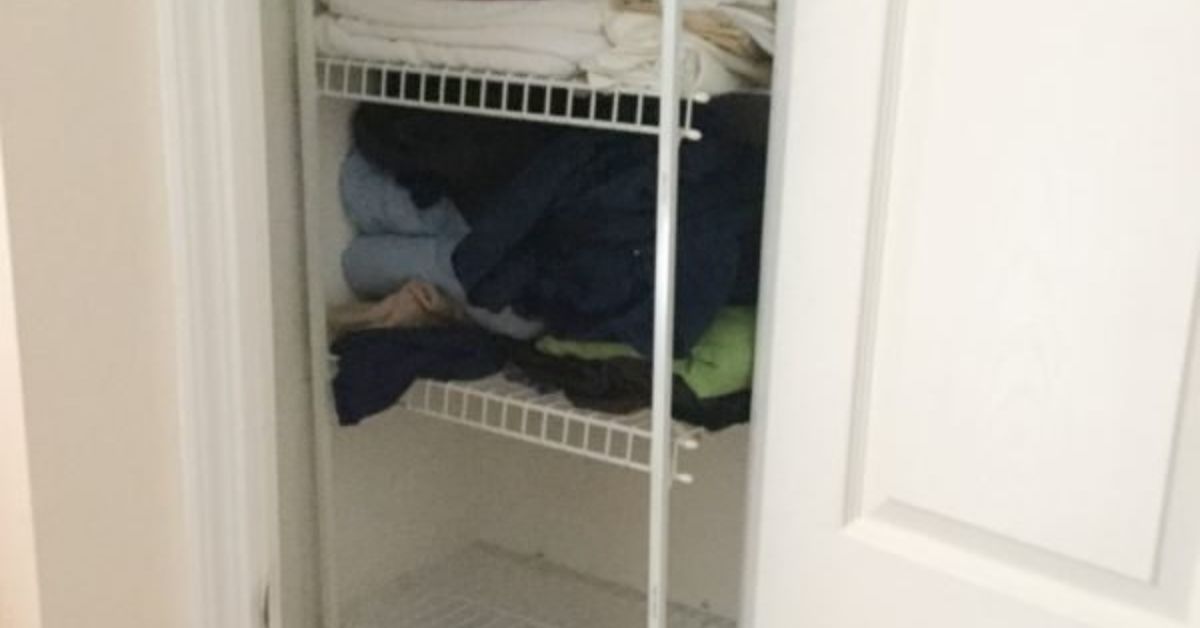
A linen closet rarely becomes messy in one dramatic moment. It happens one innocent washcloth at a time. A fitted sheet gets pushed onto the wrong shelf. An extra bottle of shampoo moves in “temporarily.” Then a bulky comforter claims half the available space like it has signed a 12-month lease.
The good news is that you do not need an entire weekend, a custom closet system, or a collection of matching baskets worthy of a home-design magazine. With a focused plan, you can organize your linen closet in less than an hour using supplies you probably already own.
The goal is not to create a showroom that nobody is allowed to touch. It is to build a practical linen storage system that helps everyone find sheets, towels, blankets, and bathroom supplies without causing a small fabric avalanche. The following minute-by-minute method combines widely recommended organizing principles: empty the space, remove what no longer serves a purpose, group similar items, position frequently used linens within easy reach, and contain categories that tend to wander.
What You Need Before Starting
Gathering your supplies first prevents the classic organizing mistake of leaving halfway through the project to search for labels and somehow ending up reorganizing a kitchen drawer instead.
- A timer
- Two trash bags or boxes
- A cleaning cloth or handheld vacuum
- An all-purpose cleaner suitable for the shelf material
- Sticky notes, index cards, or labels
- A marker
- Any baskets, bins, shelf dividers, or containers you already own
Use one bag for trash and another for donations or textile recycling. Keep a small basket nearby for objects that belong somewhere else in the house. Do not leave the closet every time you find a rogue candle, photo album, or phone charger. Place it in the relocation basket and deal with it after the closet is finished.
The 60-Minute Linen Closet Organization Plan
Minutes 0–5: Define the Closet’s Job
Before removing anything, decide what this closet is supposed to hold. In most homes, its primary categories are bed linens, bath towels, blankets, table linens, guest supplies, toilet paper, and a limited number of extra toiletries.
A narrow linen cabinet may only have room for sheets and towels. A larger hallway closet might also store paper goods or cleaning products. There is no universal layout, but there must be a clear purpose. When a closet tries to serve as a linen cabinet, pharmacy, warehouse, memory box, hardware drawer, and emergency snack station, the towels usually lose.
Write down your approved categories. This quick decision will make the sorting stage much faster.
Minutes 5–15: Empty Everything
Remove every item and place it on a clean bed, table, or floor covering. Yes, everything. Leaving a few piles on the shelves encourages you to organize around old decisions rather than create a better system.
As you empty the closet, begin making broad groups:
- Bath towels, hand towels, and washcloths
- Queen, king, full, or twin sheet sets
- Pillowcases and mattress protectors
- Blankets, quilts, and comforters
- Guest toiletries
- Paper products
- Cleaning or laundry supplies
- Items that belong elsewhere
Grouping similar items immediately reveals excess. Six nearly identical beige towels may look reasonable when scattered across three shelves. In one pile, they suddenly appear to be forming a small beige army.
Minutes 15–25: Declutter Quickly and Honestly
Spend no more than ten minutes deciding what stays. For each item, ask three questions:
- Is it clean and usable?
- Does it fit a bed, bathroom, or current household need?
- Would I willingly use it this week?
Remove towels that are permanently stained, badly frayed, or unpleasantly scratchy. Let go of sheets that no longer fit any mattress in your home. Discard empty packages, expired products, broken baskets, and mystery pillowcases that have been waiting years for their missing partners to return.
Old but absorbent towels can be moved to a clearly limited rag bin for cleaning, pet care, or muddy shoes. The key word is limited. You do not need 27 emergency rags unless you operate a very small car wash.
Unopened toiletries may be donated where accepted. Worn textiles may qualify for local textile-recycling programs. Avoid donating unusable items simply to transfer the disposal decision to someone else.
Minutes 25–30: Clean the Empty Space
Vacuum loose dust, wipe each shelf, clean the corners, and allow the surfaces to dry. Check for moisture, stains, pests, loose shelf supports, or leaks. Linens should not be returned to a damp storage area.
If the closet smells musty, identify the source rather than attempting to hide it beneath an enthusiastic cloud of lavender spray. Make sure every sheet, towel, and blanket is completely dry before storage. A pleasantly scented sachet is optional; dry fabric and good airflow are not.
Minutes 30–40: Assign Storage Zones
Divide the closet according to frequency of use. Professional organizing guidance commonly recommends keeping everyday items in the easiest-to-reach area while reserving high, low, or deep shelves for less frequently used supplies.
- Eye-level shelves: Everyday bath towels, frequently changed sheets, and washcloths
- Upper shelves: Seasonal blankets, guest bedding, spare pillows, and table linens
- Lower shelves: Toilet paper, heavier bins, cleaning cloths, or overflow supplies
- Closet floor: Structured baskets, bulky packages, or a small laundry hamper
- Door space: Lightweight toiletries, washcloths, lint rollers, or fabric-care accessories
Do not place heavy comforters on the highest shelf if removing them requires a ladder, advanced gymnastics, and a trusted spotter. Store heavy items lower and lighter items higher.
Minutes 40–50: Fold, Bundle, and Contain
Use one consistent fold for each type of linen. Uniform folding is not merely decorative; it creates stable stacks and makes the available space easier to measure.
Fold towels to match the depth of the shelf so they do not hang over the front edge. Store them by type or bathroom. If tall towel towers tend to collapse, create shorter stacks, roll the towels inside a basket, or add shelf dividers.
Keep complete bedding sets together by folding the fitted sheet, flat sheet, and one pillowcase, then placing the bundle inside the remaining pillowcase. This method makes a full set easy to grab and helps expose incomplete collections. Organizers also recommend separating sheets by bed size, room, or pattern when a household owns several sets.
Use bins for small items that cannot form stable stacks. Guest soaps, travel toiletries, stain-removal products, washcloths, and spare bathroom supplies are easier to manage when each category has a defined boundary.
Clear containers improve visibility, while opaque baskets hide visual clutter. Either can work. Choose containers that fit the shelf and your habits rather than buying a beautiful basket that consumes half the available space.
Minutes 50–57: Label the Categories
Label shelves or bins with specific, useful descriptions:
- Queen Sheets
- Guest Towels
- Washcloths
- Winter Blankets
- Table Linens
- Extra Toiletries
- Cleaning Cloths
A label is especially helpful when multiple people use the closet. It tells everyone where an item lives and, more importantly, where it should return after laundry day. Labels reduce the chance that someone will place a king fitted sheet in the hand-towel section and quietly walk away from the consequences.
Minutes 57–60: Perform the Grab Test
Close the door, reopen it, and pretend you need to change a bed or prepare the bathroom for a guest. Can you remove one sheet set without disturbing three others? Can you reach a bath towel with one hand? Can you see what is inside each container?
If the answer is no, make small adjustments. Split tall stacks, move frequently used items forward, or remove another unnecessary object. A functional linen closet should support ordinary household routines, not demand a careful archaeological excavation.
How to Organize Specific Linen Closet Items
Fitted Sheets
Fitted sheets have a reputation for being impossible to fold because their elastic corners seem to have independent plans. Perfect folds are optional. A compact rectangle is enough.
Tuck the corners into one another, smooth the elastic edges inward, and fold the sheet into thirds. If the result still resembles an anxious cloud, place it inside the matching pillowcase. Once bundled, nobody needs to know what happened inside.
Towels and Washcloths
Arrange towels by size, bathroom, or frequency of use. Avoid placing heavy stacks directly against one another without separation. Clear shelf dividers, file sorters, baskets, and under-shelf organizers can create additional compartments and prevent small linens from disappearing between larger items.
Store washcloths in a shallow basket or roll them vertically. A contained collection is easier to access than a tiny leaning tower that collapses whenever someone removes the middle cloth.
Blankets, Quilts, and Comforters
Bulky bedding deserves its own zone. Fold blankets to the width of the shelf and avoid stacking too many heavy pieces. Seasonal bedding may be moved to breathable under-bed containers, a bedroom chest, or another dry storage area when closet space is limited.
Compression bags can reduce volume for washable, non-delicate seasonal bedding, but avoid overcompressing heirloom quilts, down-filled items, or delicate textiles. Follow the care instructions for the specific material.
Table Linens
Store tablecloths, runners, and cloth napkins together instead of allowing them to mingle anonymously with bedding. Organize them by size, occasion, or dining-table shape. Place napkin sets in labeled bags or small boxes so individual pieces do not vanish.
Delicate or antique textiles require more careful storage than everyday household linens. Avoid crushing them beneath heavy objects or leaving them in sharp folds for extended periods.
Toiletries, Medicine, and Cleaning Products
A linen closet sometimes doubles as bathroom storage, but use caution. Check medication labels and storage instructions rather than assuming every medicine belongs near the bathroom. The FDA warns that damp bathroom storage can affect some medicines before their expiration dates.
Medicines and potentially hazardous cleaning products should be secured away from children and pets. Keep chemical products in their original labeled containers, never mix leftovers, and follow the manufacturer’s storage instructions.
If safe storage cannot be maintained in the linen closet, relocate these products to an appropriate locked cabinet. Convenience should never outrank safety.
Common Linen Closet Organization Mistakes
Buying Containers Before Decluttering
Storage products organize what remains; they do not decide what deserves to remain. Declutter first, measure the shelves, and purchase organizers only when a specific category needs containment.
Creating Towers That Are Too Tall
A stack of 14 towels may look impressive for approximately six minutes. Once someone removes a towel from the lower half, gravity becomes involved. Use shorter stacks or vertical dividers.
Saving Too Many “Just in Case” Linens
Keep enough bedding and towels to support your household, guests, laundry routine, and genuine emergencies. Do not let hypothetical future events occupy every shelf. A faded sheet that fits a mattress you discarded eight years ago is not an emergency resource. It is fabric nostalgia.
Hiding Everyday Items in Decorative Bins
Closed baskets are useful for unattractive or rarely used supplies. They can become inconvenient when they hide items needed every day. Store frequently used linens openly or in clearly labeled containers.
Ignoring Shelf Measurements
Measure shelf width, depth, and height before adding containers. Leave enough room to remove a bin without scraping the shelf above it. The closet should not require you to tilt, twist, and negotiate with each basket.
How to Keep the Linen Closet Organized
The best linen closet system is one that survives ordinary laundry days. Fortunately, maintenance requires only a few simple habits.
- Return items to their labeled zones.
- Place freshly washed linens beneath or behind the older sets to encourage rotation.
- Never store damp towels, sheets, or blankets.
- Refold unstable stacks before they become shelf-wide landslides.
- Check toiletries and household supplies for expired or empty containers.
- Review the closet at the beginning of each season.
Use a one-in, one-out guideline when buying replacement towels or sheet sets. This prevents the closet from slowly returning to its former career as a textile storage crisis.
Conclusion
You can organize your linen closet in less than an hour without installing expensive shelves or mastering every fitted-sheet folding tutorial on the internet. The most effective process is simple: remove everything, eliminate unusable items, clean the shelves, establish practical zones, bundle matching linens, label categories, and keep daily essentials within easy reach.
Do not measure success by whether the closet resembles a professionally styled photograph. Measure it by whether you can find the right sheet set at bedtime, hand a guest a clean towel without searching three rooms, and put away laundry without rearranging the entire closet.
A well-organized linen closet is not glamorous household work, but it delivers a satisfying result. In one focused hour, a cramped storage space can become calm, functional, and surprisingly easy to maintain. Your fitted sheets may still be difficult, but at least they will be difficult in the correct labeled section.
A Realistic One-Hour Linen Closet Experience
Consider a typical household linen closet with five shelves. Before the reset, the top shelf contains two comforters, a sleeping bag, and an empty plastic package nobody has questioned. The middle shelves hold towels, sheets, pillowcases, a heating pad, travel-size shampoo, lightbulbs, and several objects that appear to have entered through a portal from the kitchen. The bottom shelf contains toilet paper and a basket filled with products nobody remembers buying.
The first surprise during a one-hour reset is usually how quickly the closet empties. What looked like a permanent wall of fabric can be removed in ten minutes. The second surprise is how much of the mess comes from incomplete or unnecessary items rather than a true shortage of space.
In this example, sorting reveals three queen sheet sets, two twin sets, one fitted sheet with no partner, and four pillowcases that match nothing. The household currently owns one queen bed and no twin beds. The twin sets are clean and useful, so they are placed in the donation box. The unmatched fitted sheet is stained and becomes textile-recycling material. Two mystery pillowcases are converted into laundry bags for delicate items, while the others are removed.
The towel category provides another lesson. The family believed it needed more shelf space, but the pile contains several thin towels that nobody chooses unless every other towel is dirty. Removing the least comfortable towels reduces the stack enough to fit on one shelf. Washcloths are rolled into an existing basket, which prevents them from falling behind the larger towels.
During the cleaning stage, a forgotten leak stain is found near the back corner. It is dry, but the discovery shows why completely emptying the closet matters. The shelf is cleaned, and the household makes a note to inspect the nearby plumbing. Simply stacking fresh towels over the stain would have hidden a potential problem.
The biggest improvement comes from assigning shelves according to use. Everyday bath towels go at eye level. Queen sheet sets are bundled inside matching pillowcases and placed directly below them. Guest bedding moves to the upper shelf because it is needed only occasionally. Toilet paper remains at the bottom, where bulky packages can be removed without disturbing folded linens.
No new organizing products are purchased. Two baskets already owned by the family are reused: one for guest toiletries and another for cleaning cloths. Handwritten labels are attached to the shelf edges. They are not fancy, but they make the system understandable to everyone.
At the end of the hour, the closet does not look dramatically larger. It works dramatically better. Each category has enough breathing room to be removed and returned without disrupting its neighbors. The family can see its actual inventory, which reduces unnecessary purchases. It also becomes obvious when supplies are running low.
The lasting lesson is that linen closet organization depends less on perfect folding than on clear decisions. When every shelf has a job and every item has a reason to be there, maintaining order becomes easier. The closet may never remain photograph-ready after every laundry day, but restoring it takes minutes rather than another full rescue mission.
Note: This article synthesizes practical guidance from established U.S. home-organization, household-care, consumer-safety, and textile-preservation resources. Always follow product labels and local disposal rules when relocating medicines, cleaning products, or damaged household textiles.