Note: This guide applies to soup bowls sold or made for food use. A textured glaze can be beautiful, but a bowl with deep cracks, flaking glaze, or unknown food-safety status belongs on a shelf, not in the soup rotation.
A soup bowl with pitted white glaze is proof that dinnerware does not have to shout to make an impression. It can whisper. It can look handmade, slightly weathered, and wonderfully imperfect while still holding a heroic amount of tomato bisque, ramen, chili, or the leftovers you swore would become tomorrow’s lunch.
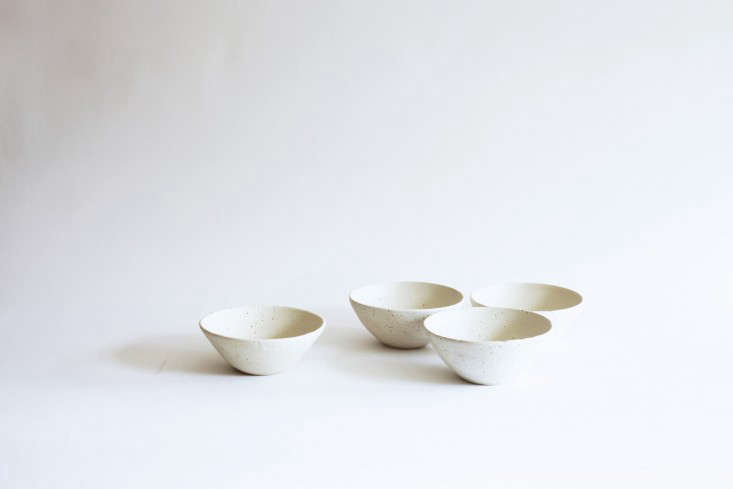
White ceramic dinnerware is timeless, but a pitted glaze gives it character. Instead of looking factory-flat and overly polished, the surface has tiny dimples, speckles, craters, or gentle variations that catch light differently. The result is a bowl that feels warm, tactile, and lived-inlike it might have a favorite farmers’ market and a strong opinion about sourdough.
Still, not every pit in a glaze is created equal. Some are intentional design details. Others are manufacturing defects that can trap food, stain easily, or signal that the glaze did not mature correctly in the kiln. Knowing the difference helps you choose a soup bowl that looks artisanal without becoming a tiny archaeological dig after every bowl of lentil stew.
What Is a Pitted White Glaze?
A pitted white glaze is a ceramic finish with small indentations, pores, dimples, or crater-like marks across the surface. The pits may be subtle and evenly distributed, creating a soft, organic look. In other cases, they may be more dramatic, making the bowl appear rustic, volcanic, weathered, or handmade.
In pottery, the word pitting can describe a glaze surface with tiny depressions. Sometimes this texture is deliberately designed into the piece. A potter may use a glaze formula, firing method, clay body, or application technique that produces gentle surface variation. The bowl is not supposed to look perfectly smooth; its personality lives in the unevenness.
However, accidental pinholes and pits can also happen when gases escape during firing and the glaze does not have enough time or fluidity to smooth over. Ceramic experts often distinguish between a decorative, stable texture and a glaze flaw that leaves open pores. That distinction matters most on the interior of a soup bowl, where broth, oil, tomato sauce, and melted cheese tend to make themselves very comfortable.
Why a White Pitted Glaze Looks So Good
White glaze is the chameleon of the dinnerware world. It works with almost every table setting, from rustic farmhouse wood to sleek black stone countertops. Add a pitted finish, and suddenly plain white becomes layered, tactile, and visually interesting.
It Adds Depth Without Adding Noise
A glossy, perfectly smooth white bowl can look elegant, but it can also feel a little formal. A pitted white glaze softens that effect. Light settles differently in the small dimples, making the surface appear creamier, warmer, and more dimensional.
This is especially useful when serving colorful foods. Bright green pea soup, red chili, golden curry, purple cabbage broth, and creamy chowder all stand out against white ceramic. The bowl frames the food rather than fighting it for attention. Think of it as the supportive friend who brings snacks and never steals the microphone.
It Makes Everyday Meals Feel More Considered
There is something oddly powerful about eating instant noodles from a bowl that looks handmade. The noodles may still be instant, but suddenly they have ambitions. A pitted white soup bowl makes simple food feel more intentional, whether you are serving weeknight chicken soup or hosting a cozy dinner party.
It Works Across Multiple Interior Styles
Pitted white ceramics fit comfortably into many design directions:
- Modern kitchens: The white finish keeps the look clean and minimal.
- Farmhouse spaces: The texture adds rustic warmth without looking overly themed.
- Coastal interiors: The soft, weathered glaze feels relaxed and natural.
- Scandinavian-inspired homes: The neutral tone and handmade look pair well with wood, linen, and muted colors.
- Eclectic tables: White bowls make it easier to mix patterned plates, colorful napkins, and vintage glassware.
How to Tell Intentional Texture From a Problematic Glaze
The most important question is not whether a white soup bowl has pits. It is whether those pits are part of the design or a sign that the glaze is unsuitable for regular food service.
Signs the Pitted Finish Is Intentional
An intentionally textured pitted glaze usually looks consistent. The dimples may vary slightly, but the finish feels controlled rather than random. The bowl should have a stable surface with no loose flakes, sharp edges, deep cracks, or rough areas that feel like unfinished clay.
Look for bowls described with terms such as reactive glaze, speckled glaze, hand-finished glaze, rustic ceramic finish, textured stoneware, or artisan white glaze. These descriptions do not guarantee quality by themselves, but they suggest the variation is meant to be part of the visual design.
Red Flags to Watch For
Deep holes inside the bowl can be harder to clean, especially if they catch oils, food particles, or pigment from sauces. Avoid bowls with rough, sharp, crumbly, or flaky interiors. Also be cautious with pieces showing visible crazing, which appears as a network of fine crack lines in the glaze.
A little texture is charming. A surface that looks like it survived a meteor shower is less charming when it is holding hot broth.
For handmade pottery, ask the maker whether the bowl is intended for food use and whether the glaze is suitable for daily serving. For mass-produced dinnerware, check product information, the packaging, or markings on the underside. A bowl intended for decorative use should not be pressed into service just because it looks great in a kitchen photo.
Choosing the Right Soup Bowl Size
A good soup bowl should hold enough food without turning every meal into a balancing act. The best size depends on what you serve most often.
Small Soup Bowls: About 12 to 16 Ounces
Smaller bowls work well for first courses, light broths, miso soup, consommé, or a modest lunch. They are also ideal when soup is part of a larger meal with salad, bread, or a main dish.
Everyday Soup Bowls: About 18 to 24 Ounces
This is the sweet spot for many households. An 18- to 24-ounce bowl can handle chicken noodle soup, creamy tomato soup, bean soup, chowder, ramen, oatmeal, cereal, and a reasonable serving of chili.
It is the dinnerware equivalent of a reliable hatchback: not flashy, but somehow capable of carrying everyone’s groceries.
Large Soup or Pasta Bowls: About 28 to 36 Ounces
Larger bowls are excellent for ramen, pho, grain bowls, pasta, stew, curry, hearty chili, and “I skipped lunch and now regret everything” portions. Wide shallow bowls can be especially useful for meals that combine broth, vegetables, noodles, and toppings.
Before buying, consider cabinet space and dishwasher layout. A dramatic oversized bowl may look magnificent on a table, but it should still fit somewhere other than the top of the refrigerator.
Stoneware, Porcelain, or Earthenware?
The material underneath the white glaze affects the bowl’s weight, durability, heat retention, and everyday care requirements.
Stoneware
Stoneware soup bowls are popular because they feel substantial and cozy. They often have a slightly thicker wall, which can help keep soup warm longer. Stoneware is also a natural match for pitted, speckled, or reactive white glazes because the material supports a handmade, earthy appearance.
The trade-off is weight. A generous stoneware bowl full of stew can become surprisingly heavy, particularly for children, older adults, or anyone trying to eat on a couch without creating a very expensive upholstery experiment.
Porcelain
Porcelain tends to be lighter, smoother, and more refined. A white porcelain soup bowl can look crisp and modern, even when finished with a subtle textured glaze. Many porcelain bowls are dishwasher-safe and microwave-safe, but always check the manufacturer’s instructions.
Porcelain is a strong choice for people who want white dinnerware that feels elegant enough for guests but durable enough for Tuesday night leftovers.
Earthenware
Earthenware often has a softer, more rustic look and can be especially beautiful with a white pitted glaze. It may be more porous or less durable than higher-fired stoneware and porcelain, depending on how it is made and glazed. Follow the maker’s care guidance carefully, especially around soaking, sudden temperature changes, and dishwasher use.
Food Safety Matters More Than the Aesthetic
A beautiful bowl should also be practical and safe for serving food. In the United States, ceramicware intended to hold food or liquid is subject to safety considerations related to lead and cadmium leaching. Reputable manufacturers and professional ceramic artists design food-use pieces with suitable materials, glaze formulas, firing schedules, and quality controls.
Do not assume that every old, imported, decorative, flea-market, or handmade ceramic piece is automatically appropriate for soup, coffee, wine, or acidic foods. Decorative pottery may be labeled as unsuitable for food use, and that label should be taken seriously.
For a soup bowl with pitted white glaze, food safety and cleanability become especially important. The interior surface should be stable, properly glazed, and easy to wash. If the bowl has deep open pores, flaking glaze, unknown origin, or a strong metallic odor after use, retire it from food duty.
How to Care for a Pitted White Glaze Soup Bowl
White dinnerware looks stunning until tomato soup, turmeric, coffee, or black tea decides to leave a souvenir. Fortunately, a little routine care goes a long way.
Wash Promptly After Strongly Colored Foods
Do not leave curry, berry sauce, tomato soup, or coffee sitting in a textured white bowl for hours. A stable glaze should resist staining, but tiny surface variations can hold onto pigments more easily than a perfectly smooth glossy surface.
Use Mild Detergent and a Soft Sponge
Skip steel wool, aggressive scouring powders, and harsh abrasives. These can dull the glaze or create surface scratches that make future staining more likely. A soft sponge, warm water, and mild dish soap are usually enough for daily cleaning.
Load Carefully in the Dishwasher
If the bowl is labeled dishwasher-safe, place it so it does not knock into other pieces during the cycle. Ceramic bowls may be tough, but repeated clattering is not a personality test they need to take.
Avoid Sudden Temperature Changes
Even microwave-safe ceramics can crack under thermal shock. Do not move a bowl directly from a refrigerator or freezer into a very hot oven unless the manufacturer specifically says it is safe. Likewise, avoid pouring boiling soup into a bowl that has just come from a cold garage in January.
Handle Metal Marks Gently
Gray marks from flatware are often metal transfer rather than permanent damage to the glaze. A non-abrasive ceramic cleaner or a gentle baking soda paste may help, but test a small area first and follow the manufacturer’s care instructions.
Styling a Soup Bowl With Pitted White Glaze
The beauty of white textured dinnerware is its flexibility. It can look casual, elegant, rustic, or modern depending on what surrounds it.
For Everyday Meals
Pair the bowl with a natural linen napkin, a wood-handled spoon, and a simple side plate. Add crusty bread, and suddenly dinner feels like a café meal even if you made soup from a can and added basil purely for moral support.
For a Dinner Party
Place the bowl on a matte black, slate gray, soft beige, or deep green dinner plate. White pitted glaze looks especially striking against darker colors because the texture becomes more visible. Add clear glassware and simple flatware to keep the table polished without making it look like a museum exhibit.
For a Rustic Table
Use woven placemats, wood serving boards, linen napkins, and stoneware mugs. The bowl’s slight irregularity will feel intentional and welcoming rather than overly styled.
Best Foods to Serve in a Pitted White Soup Bowl
A white ceramic bowl is essentially a stage for food. The pitted finish adds texture, while the pale background makes colorful ingredients pop.
- Roasted tomato basil soup with a swirl of cream
- Chicken noodle soup with fresh parsley
- Ramen with soft-boiled eggs, scallions, and sesame
- Butternut squash soup with toasted pepitas
- Black bean chili with avocado and cilantro
- Coconut curry soup with lime and herbs
- French onion soup with bubbling cheese toast
- Hearty lentil stew with crusty bread
- Breakfast oatmeal with berries and walnuts
- Pasta, grain bowls, salads, and almost anything that needs a bowl bigger than your optimism
Should You Buy a Soup Bowl With Pitted White Glaze?
Yesprovided the texture is intentional, the piece is made for food use, and the interior is easy to clean. A pitted white glaze soup bowl offers a useful balance of beauty and practicality. It feels more interesting than plain white dinnerware but remains neutral enough to work with nearly everything you already own.
Choose a bowl with a comfortable rim, stable foot, practical capacity, and a surface that feels finished rather than fragile. Look for dishwasher and microwave compatibility if those features matter to your routine. Most importantly, buy a bowl you will actually use rather than one you treat like a museum artifact.
After all, a soup bowl has one sacred job: to make warm food feel even more comforting. A good pitted white glaze bowl accomplishes that with texture, character, and just enough visual drama to make leftovers feel like a lifestyle choice.
Experiences With a Soup Bowl With Pitted White Glaze
The first time you use a soup bowl with pitted white glaze, you may not notice the surface immediately. You notice the food. Maybe it is a thick potato leek soup on a rainy night. Maybe it is ramen after a long day. Maybe it is chili reheated at 11:30 p.m. because adulthood is mostly answering emails and wondering why the dishwasher is already full again.
Then the bowl begins to do its quiet work. The white glaze makes the color of the soup look richer. Carrots appear brighter. Herbs look greener. A swirl of olive oil suddenly resembles something a restaurant might charge an unreasonable amount for. The tiny pits in the glaze catch shadows, so the bowl never looks flat or sterile. It has texture, but not the kind that distracts from the meal.
For many people, the appeal is emotional as much as visual. A pitted white soup bowl often looks handmade, even when it comes from a carefully designed dinnerware collection. It feels warmer than a standard smooth bowl because the irregularity suggests human touch. The surface does not seem machine-perfect, and that is exactly the point.
There is also a practical comfort in a well-shaped soup bowl. A slightly wider bowl lets steam escape so each spoonful is not lava-hot. A deeper bowl holds broth without splashing onto the table. A sturdy foot keeps the bowl from sliding around when you are trying to eat one-handed while holding a book, a phone, or a toddler who has suddenly decided that your soup looks better than their dinner.
One of the best experiences with textured white dinnerware is seeing how it changes from meal to meal. In the morning, the bowl may hold oatmeal with cinnamon and sliced banana. At lunch, it can carry a grain bowl with roasted vegetables. At dinner, it becomes the perfect home for beef stew, curry, or pasta. The bowl does not demand a special occasion. It simply makes everyday food look more cared for.
Guests tend to notice these bowls, too. Not always in a dramatic way. They might run a finger lightly around the rim and say, “Oh, I like these.” That is often the highest compliment dinnerware can receive. It means the bowl feels interesting without being fussy. It has enough presence to be remembered, but not so much that it competes with the conversation or the food.
A pitted white glaze bowl also develops a kind of visual friendship with other pieces over time. It can sit next to black plates, linen napkins, clear tumblers, wood serving boards, brass spoons, or colorful salad plates without looking out of place. It is flexible. It is neutral. It is the ceramic equivalent of the person who can attend a fancy dinner, help you move apartments, and still know where to get late-night noodles.
Of course, living with white ceramic means accepting that stains and utensil marks may occasionally appear. Tomato soup is enthusiastic. Turmeric has no respect for your decorating choices. But caring for the bowl becomes part of the ritual: rinse it promptly, wash it gently, and let it return to its calm, creamy color. A bowl that gets used will show signs of life, and that is better than a pristine bowl that spends its entire career hiding in a cabinet.
Ultimately, the experience of owning a soup bowl with pitted white glaze is about making ordinary meals feel a little more grounded. It turns a quick bowl of soup into a small pause. It gives dinner a sense of place. It reminds you that usefulness and beauty can coexist, even on a Tuesday night when the meal is leftovers and the only candle on the table is the one you forgot to blow out yesterday.
That is the real charm of pitted white glaze: it does not need to be perfect to be beautiful. In fact, the tiny imperfections are what make it feel inviting. It is a bowl made for soup, but it also holds something harder to measurea little warmth, a little texture, and a very good excuse to make another pot of chili.