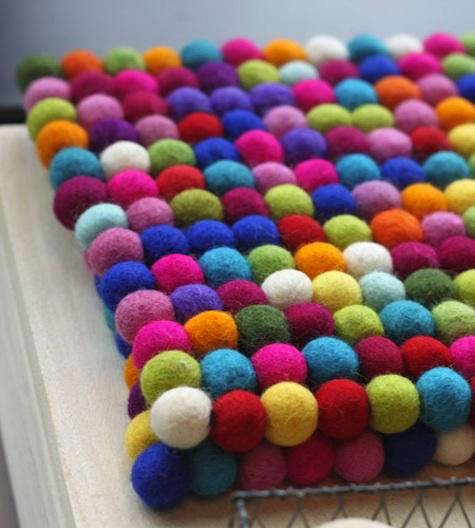
A felt trivet may be one of the quietest tools in a kitchen, but it has a serious job: standing between a steaming dish and the tabld. Soft, colorful, and pleasantly low-drama, a felt trivet protects surfaces from heat, moisture, scratches, and the occasional overly enthusiastic Dutch oven.
Whether you are shopping for a wool felt trivet, considering a handmade felt-ball design, or wondering whether that cute little pad is actually useful, this guide explains how to choose, use, clean, and style one. Spoiler: it is more practical than it looks, especially when dinner involves tomato sauce.
What Is a Felt Trivet?
A trivet is a protective pad or stand placed beneath a hot pot, pan, baking dish, kettle, or serving bowl. Its purpose is simple: to create a buffer between hot cookware and the table, countertop, or buffet surface below.
A felt trivet performs that job with dense textile material rather than metal, ceramic, wood, cork, or silicone. Most versions are made either from a thick flat sheet of felt or from dozens of small felt balls stitched together into a square, circle, flower, stripe, or cheerful color mosaic.
Flat felt trivets have a clean, minimalist look. Felt-ball trivets have more texture and flexibility because the small gaps between the balls help the piece bend slightly around the base of a serving dish. Think of it as a tiny upholstered parking space for cookware.
Why Choose a Felt Trivet?
It Protects Tables and Countertops
Hot cookware can leave cloudy marks on wood, stress delicate finishes, and cause trouble for surfaces that are less heat-tolerant than they appear. A felt trivet provides a protective barrier, helping reduce the risk of heat marks, scratches, and moisture rings.
That matters when a skillet of roasted vegetables, a bubbling casserole, or a pot of soup travels directly from the stove or oven to the dining table. The meal should be memorable because it tastes great, not because it left a permanent souvenir on the furniture.
It Handles Condensation, Too
Serving dishes bring more than heat to the table. A chilled pitcher, warm teapot, covered casserole, or coffee press may leave moisture underneath. Dense wool felt can absorb small amounts of condensation while cushioning the surface beneath heavy ceramic, enamel, or glass cookware.
It Adds Texture and Color
A trivet is a practical object, but it does not have to look like a piece of laboratory equipment. Felt-ball trivets can brighten a neutral table, match seasonal colors, or make a casual weeknight meal feel slightly more intentional.
A bold felt trivet beneath a plain white serving bowl creates contrast. A matching set can make a buffet feel coordinated. Even a simple charcoal-gray trivet can soften a modern kitchen without demanding attention from every guest in the room.
It Is Lightweight and Easy to Store
Unlike a heavy stone or cast-iron trivet, felt weighs almost nothing. Stack several in a drawer, hang a flat one from a hook, or leave one near the stove as a ready-made landing spot for hot cookware. A trivet hidden in a cabinet is not much help when a pan is already in your hands.
Wool Felt vs. Synthetic Felt
Not all felt is the same. The word felt in a product title does not automatically mean the item is suitable for hot cookware. Wool felt comes from animal fiber and is valued for its density, resilience, and natural resistance to ignition compared with many ordinary textile fibers.
However, wool is not fireproof. It can scorch, char, or burn when exposed to enough heat. A wool trivet should never be used near an open flame, on a burner, inside an oven, or as a replacement for an oven mitt.
Synthetic craft felt is often made with polyester or acrylic fibers. It may be fine for decorative projects, but it is not the best choice for a hot cookware trivet because synthetic fibers may soften or melt under high heat. For kitchen use, choose a product that clearly states its fiber content, intended use, and care instructions.
How to Choose the Best Felt Trivet
Choose the Right Size
Select a trivet that is wider than the stable base of the cookware you plan to serve. A small 6- to 7-inch trivet works well for a teapot, saucepan, French press, or individual casserole. Larger Dutch ovens, skillets, and baking dishes usually need an 8- to 10-inch trivet or a pair of trivets.
The goal is a stable base, not a balancing act that makes everyone at the table suddenly very quiet.
Check Thickness and Construction
Thicker, denser felt generally provides more separation between cookware and the surface below. For felt-ball trivets, inspect the stitching and spacing. Tightly connected balls and secure thread create a sturdier surface than a loose grid that may spread under a heavy pan.
A flat felt trivet should lie flat and feel substantial rather than thin or papery. Avoid pieces with exposed glue or weak seams, especially if they will regularly hold warm serving dishes.
Match It to Your Cooking Style
If you often serve oven-to-table cookware, choose a sturdy wool trivet from a maker that provides clear heat-use guidance. If your main need is protecting a desk from a teapot or a dining table from serving bowls, a medium-weight felt trivet may be enough.
For everyday cooking, keep one near the stove and another near the table. This simple habit saves you from the familiar moment when a hot pan is hovering in midair and every nearby surface suddenly looks suspicious.
Consider Color Carefully
Cream, ivory, and pale gray felt look elegant, but they reveal curry splashes, berry juice, and pan drips quickly. Darker shades such as charcoal, navy, forest green, and brown tend to hide everyday marks better. Multicolored felt-ball trivets are especially forgiving because a tiny stain can disappear into the pattern.
How to Use a Felt Trivet Safely
A felt trivet is a table protector, not a universal heat shield. Use it on a dry, level, heat-appropriate surface. Place the trivet first, then lower the cookware carefully so the weight is centered.
Do not drag a heavy pan across felt, especially on a finished wood table. The trivet can shift, and the bottom of the cookware may still scratch the surface.
Keep felt away from direct burner flames, broiler elements, grills, and the inside of an oven. Do not use a felt trivet to grab hot handles or hold cookware while stirring. “Heat resistant” does not mean “invincible,” and it definitely does not mean “please test this next to fire.”
Before serving, check the bottom of the cookware. A pan with baked-on grease, soot, or moisture can stain a light-colored trivet. Follow the manufacturer’s instructions for heat limits, cleaning, and recommended use.
Cleaning and Caring for a Felt Trivet
Felt trivets reward quick, gentle care. When dry crumbs or dust collect, shake the trivet outside or brush it lightly with a soft brush. For a fresh spill, blot with a clean, slightly damp cloth. Avoid rubbing, which can push pigments deeper into the fibers and roughen the surface.
If the maker permits spot cleaning, use cool water and a small amount of mild wool-safe soap. Test a discreet area first, dab gently, and avoid soaking the entire trivet unless the label specifically says it is washable.
Shape the trivet while damp and lay it flat to air-dry away from direct heat and strong sunlight. Avoid bleach, harsh stain removers, and routine machine washing unless the manufacturer approves it. Felt-ball trivets are not athletic socks, no matter how much kitchen chaos they have survived.
Styling Ideas for Felt Trivets
Felt trivets can do more than wait for a casserole. Use a round felt-ball trivet beneath a vase to protect a wood console from condensation. Place a small flat trivet under a French press on a breakfast tray. Use two matching trivets under side dishes at a buffet table to make serving feel more organized.
For a modern look, choose one neutral color in a simple geometric shape. For a playful kitchen, pair rainbow felt balls with plain ceramic bowls. During fall or winter gatherings, colors such as burgundy, mustard, spruce green, and deep red add warmth without turning the entire table into a pumpkin festival.
Felt trivets also make thoughtful housewarming, wedding, host, or holiday gifts. Pair one with a tea towel, recipe card, or small serving dish. It is a practical gift that quietly says, “I hope your food is delicious and your table survives it.”
Can You Make a DIY Felt-Ball Trivet?
Yes. A felt-ball trivet is a beginner-friendly sewing project when you use the right materials. Choose dense wool felt balls and a strong natural-fiber thread, such as cotton crochet thread or wool yarn. Arrange the balls in a tight pattern, stitch through their centers, keep the rows even, and secure the ends carefully.
A common square design uses nine rows of nine balls, but you can adjust the size for the cookware you use most. Avoid relying only on hot glue, loose synthetic pom-poms, plastic cord, or decorative pieces that may soften under heat.
DIY projects are excellent for customization, but they are not a substitute for careful testing. Try the finished trivet first with a warm serving dish on a protected surface before trusting it with your hottest cast-iron cookware.
Final Thoughts
A felt trivet proves that useful kitchen tools do not have to be loud, complicated, or ugly. The right one protects tables and countertops, handles a little condensation, adds texture to a table setting, and makes serving hot food feel more deliberate. Choose dense material, match the size to your cookware, respect the maker’s instructions, and clean spills gently. That is enough to turn a humble heat barrier into a kitchen essential.
Felt Trivet Experiences: What Everyday Use Really Feels Like
The first experience most people have with a felt trivet is not dramatic. That is exactly the charm. You set down a warm pot, nothing sizzles, nothing leaves a cloudy ring on the table, and the trivet quietly does its job. The small victory can be easy to miss until you remember the last time a hot takeout container met a wood surface and created a mysterious pale halo.
In a busy kitchen, a felt trivet often becomes an accidental routine-maker. A colorful one left near the stove acts like a visual reminder: hot pan goes here, not on the counter’s most questionable corner. After a few meals, reaching for it becomes automatic. It is a tiny bit of kitchen choreography, but it prevents the kind of damage that turns “I will deal with it later” into “Why is there a ring on the table?”
Felt-ball trivets are especially satisfying because they have a slight give. A teapot or ceramic casserole settles into the textured surface instead of skating around on something slick. The texture also makes the trivet feel like an object chosen on purpose rather than an emergency barrier rescued from a drawer. Guests may ask where it came from. Children may want to poke the little wool balls. Both reactions are understandable.
There are practical quirks, of course. Felt does not wipe clean with the effortless swagger of silicone. A splash of oily sauce should be blotted promptly. A damp trivet should dry completely before it returns to a pale tabletop. Very light colors can become a visual record of every soup, stew, and cranberry sauce decision you have ever made. None of that makes felt impractical; it simply means it rewards a few seconds of care.
Over time, the best felt trivet develops useful familiarity. It may soften slightly, collect a little lint, or acquire one tiny stain that only you notice. Yet it remains the item you grab when friends arrive with a potluck dish, when you serve coffee at the table, or when a hot skillet needs a safe place immediately. Unlike some kitchen accessories, it does not require special skills, a charging cable, or an instruction manual written in six languages.
For people who entertain, a set of felt trivets earns its keep during holidays and casual dinners alike. Two or three coordinated pieces make a buffet more organized because each dish has a clear place to land. They also reduce the frantic last-minute search for folded towels, which are excellent for drying hands but not a reliable long-term strategy for protecting furniture from heat.
For renters, felt trivets can feel especially reassuring. You may not own the countertop or the dining table, but you can still avoid creating a heat mark that becomes an awkward conversation at move-out. For homeowners, they offer the same peace of mind with less emotional paperwork. In either case, the value is less about the object itself and more about what it quietly prevents.
The most enjoyable part may be that a felt trivet makes practical care look cozy. A metal rack can feel strictly functional, while a wool trivet can make the same hot dish look ready to be shared. It brings softness to an object built around heat and weight, which is a surprisingly pleasant contrast. At the end of the meal, you shake off a crumb, let it cool, and tuck it away. No fanfare. No ruined table. That is a very good ending for a very small kitchen tool.
Note: Always follow the manufacturer’s care and heat-use instructions for your specific felt trivet, since fiber blends, thickness, dyes, and construction vary.