Some holiday gifts arrive with charging cables, instruction manuals, and the faint expectation that the recipient should learn a new app. Warm socks ask much less of us. Put them on. Wiggle your toes. Continue being cozy.
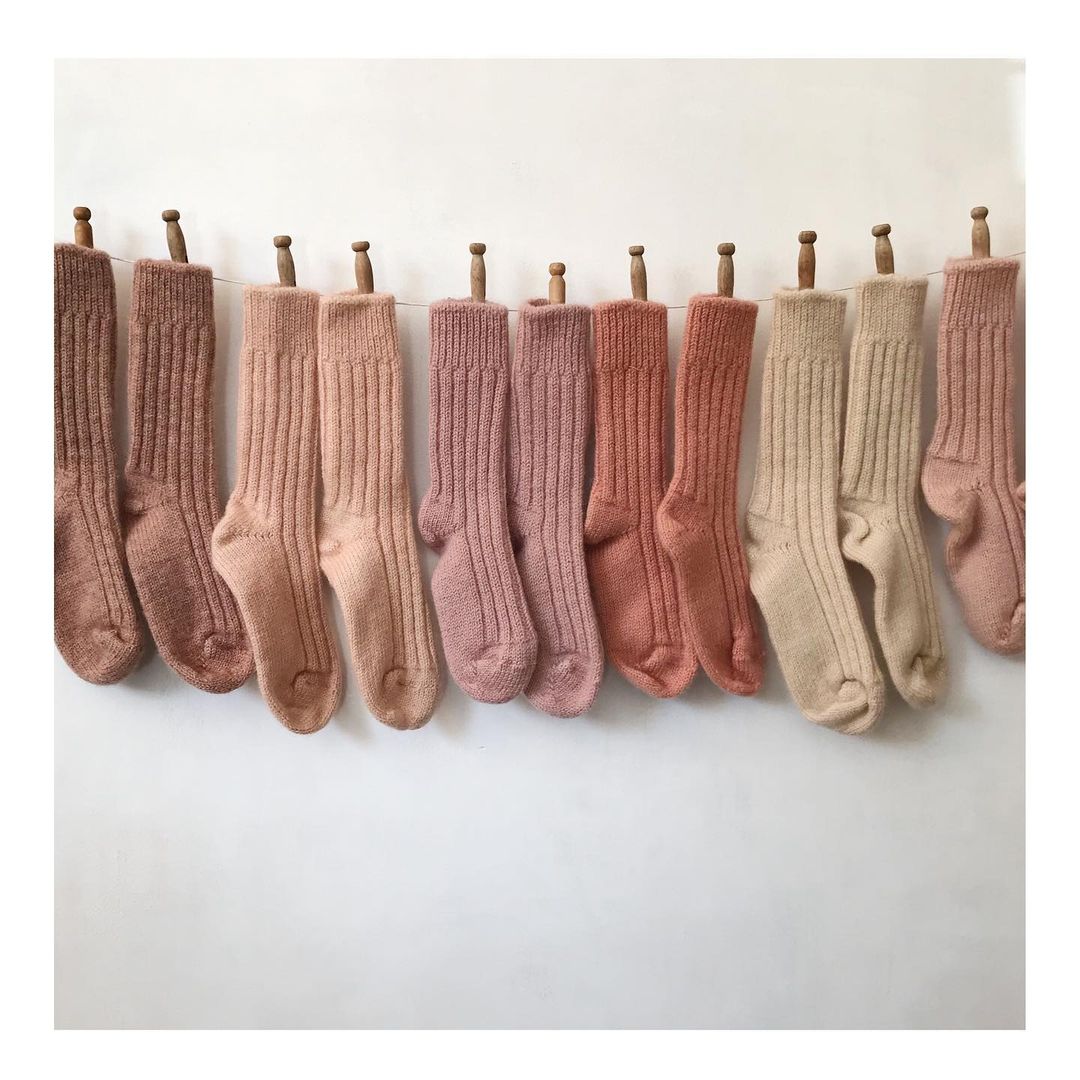
That uncomplicated appeal was at the heart of Remodelista’s 2021 winter sock gift guide. Published during a season when comfort felt especially valuable, the original collection celebrated socks for quiet mornings, drafty rooms, woodland walks, and evenings spent pretending the thermostat had not been touched. Its choices were not ordinary multipacks destined to vanish inside a dryer. They were thoughtfully made accessories featuring natural fibers, recycled yarns, artistic colors, and generations of knitting knowledge.
This expanded guide revisits that idea while exploring what actually makes the best warm socks for winter worth giving. From merino wool and recycled blends to cushioning, fit, construction, and care, here is how to choose a pair that delivers more than attractive packaging.
Research basis:
Why Warm Socks Make Such a Good Winter Gift
Socks have an unfair reputation as the gift of last resort. That reputation was probably created by stiff department-store dress socks sold in plastic boxes beside emergency neckties. A well-made pair of winter socks is an entirely different creature.
Warm socks are practical without being impersonal. They can be used immediately, require almost no storage space, and suit people who are difficult to shop for. They also occupy a pleasant middle ground between necessity and indulgence. Most people already own socks, but fewer people regularly buy themselves beautifully dyed wool socks, dense Japanese knits, or a carefully constructed merino pair designed to last through many winters.
A sock gift can also reveal that the giver has been paying attention. Thick cabin socks suit the friend who lives in an old house with opinionated floorboards. Lightweight merino crews work for the daily walker. Tall wool socks belong in the package for the skier, gardener, commuter, or person who insists that 40 degrees Fahrenheit is “not really cold.”
The Design Spirit of Remodelista’s 2021 Sock Guide
The original Remodelista collection treated socks as small design objects. The featured styles emphasized texture, craft, color, useful materials, and makers with a recognizable point of view.
Among the selections were recycled cotton socks from Brook Farm General Store, produced in Portugal by third-generation hosiery makers. Natural-dye specialist Kathryn Davey contributed Irish wool socks colored in her Dublin studio. Thunders Love offered recycled-wool designs with subtle flecks, while Fog Linen’s marled cotton-linen socks provided a lighter alternative to heavy winter wool.
The guide also ventured into more expressive territory. Kapital’s densely knitted Gogh socks used colors inspired by Vincent van Gogh’s paintings. Nishiguchi Kutsushita, a Japanese maker knitting socks since 1950, appeared with a wool jacquard design and a silk-cotton style. These were socks that could peek deliberately above a boot rather than hide apologetically beneath a pant leg.
The lesson was simple: useful gifts do not have to be boring. A winter sock can be restrained, playful, rustic, modern, or quietly luxurious while still performing the essential job of preventing toes from filing formal complaints.
Original guide details:
What Actually Makes Winter Socks Warm?
Thickness matters, but it is not the only ingredient. Warmth depends on fiber choice, trapped air, moisture control, fit, footwear, and activity level. A gigantic sock squeezed into a tight boot may perform worse than a thinner sock with enough room to maintain circulation.
Insulating Fibers Trap Warm Air
Wool fibers create tiny spaces that hold air close to the body. That trapped air acts as insulation. Merino wool is particularly popular because its fibers are finer and generally softer than the coarse wool many people remember from older outdoor socks.
Merino also regulates temperature across a wider range of conditions than a simple “the thicker, the hotter” equation suggests. That is useful when a winter day includes a cold morning, a heated train, a brisk walk, and an office apparently maintained at tropical greenhouse temperatures.
Moisture Management Protects Comfort
Feet can sweat even when the weather is freezing. Once moisture accumulates next to the skin, the wearer may begin to feel clammy and cold. Wool absorbs moisture vapor and moves it away from the body, helping the interior of a sock remain more comfortable.
Outdoor footwear guidance consistently favors wool or quick-drying synthetic fibers over ordinary cotton for demanding cold-weather use. Cotton readily absorbs moisture and dries slowly, which is not ideal when the goal is to keep feet dry during a snowy walk or long day outside.
Fiber and moisture guidance:
Cushioning Adds Warmthbut Only When It Fits
Cushioning creates softness, absorbs impact, and adds insulating material beneath the foot. Full-cushion socks are appealing for lounging, winter hiking, and roomy boots. Targeted cushioning places extra padding only at high-impact areas such as the heel and ball of the foot, reducing bulk elsewhere.
More padding is not automatically better. When a thick sock makes a shoe uncomfortably tight, it can compress the foot and eliminate the air space needed for warmth. The result is a foot that feels both squashed and cold, which is an impressive failure involving two forms of discomfort at once.
Cushion guidance:
Best Materials for Warm Winter Socks
Merino Wool
Merino wool is the all-around choice for winter socks because it combines warmth, softness, moisture management, breathability, and natural odor resistance. It works in casual socks, hiking socks, ski socks, and lightweight everyday pairs.
Pure merino can feel luxurious, but many performance socks blend wool with nylon or another synthetic fiber to improve abrasion resistance. A small amount of elastane or spandex helps the sock retain its shape and stay in place. A thoughtfully engineered blend is not necessarily inferior to 100 percent wool; it may last longer and fit more reliably.
Traditional Wool
Coarser wool can be extremely warm and durable. It suits thick boot socks, heritage-style knits, and house socks worn over a thinner liner. The trade-off is texture. People with sensitive skin may find traditional wool scratchier than fine merino.
Recycled Wool
Recycled wool gives existing fibers another useful life and often produces attractive, subtly varied yarns. Because recycled fibers can be shorter after processing, manufacturers may combine them with other materials to strengthen the final knit. For gift buyers interested in lower-impact products, recycled-wool socks can deliver both visual character and a practical sustainability story.
Cotton and Cotton-Linen Blends
Cotton socks are soft, familiar, and suitable for indoor wear or mild winter weather. Cotton-linen marled socks can also offer a beautiful texture and relaxed look. They are less suitable for wet, strenuous, or very cold outdoor conditions because cotton tends to hold moisture.
In other words, cotton can be delightful beside the fireplace. It is less delightful after stepping into a slushy parking-lot puddle that was much deeper than it looked.
Synthetic Fibers
Polyester and nylon blends can dry quickly, resist wear, and cost less than premium wool. They are useful for people who dislike wool or need durable performance socks. Their comfort and odor control vary by construction, and some use specialized finishes or knit structures to improve moisture management.
Material performance:
How to Match Warm Socks to the Recipient
For the Homebody
Choose a soft, generously cushioned crew or boot sock. Look for an attractive ribbed or marled knit that can be worn visibly with pajamas, leggings, or rolled trousers. A looser cuff may be more comfortable for extended lounging, but it should still hold securely enough to avoid sliding under the heel.
For the Walker or Hiker
Select a merino blend with reinforced heels and toes, moisture management, a smooth toe seam, and cushioning matched to the person’s footwear. Midweight designs are versatile for cool and cold weather, while heavyweight socks are better for roomy boots and more severe conditions.
For the Skier
Ski socks should generally be tall enough to extend above the boot and smooth enough to avoid pressure points. Modern ski boots already provide insulation, so an extremely thick sock can make the fit too tight. A close-fitting merino or synthetic-blend sock with strategic cushioning is often more effective than a giant fluffy pair.
For the Design Enthusiast
Look beyond technical specifications and consider the visual language of the sock. Plant-dyed colors, jacquard patterns, painterly palettes, visible flecks, and unusual ribbing can turn a small accessory into a memorable gift. These are especially good choices for someone who cares about the maker, the process, and the story behind an everyday object.
For the Minimalist
Choose one excellent pair in charcoal, oatmeal, navy, forest green, or undyed cream. Favor natural materials, restrained branding, and a knit handsome enough to remain presentable when shoes come off at the door.
For the Always-Cold Person
Consider a full-cushion merino sock for indoor use and a separate midweight pair for boots. This prevents the common mistake of buying one enormous sock and expecting it to work equally well in slippers, dress shoes, hiking boots, and every other vessel that has ever encountered a foot.
Fit Is More Important Than the Gift Box
A beautiful sock in the wrong size is merely decorative knitwear. Check the manufacturer’s size chart and use the recipient’s shoe size whenever possible. Avoid assuming that labels such as “men’s,” “women’s,” or “unisex” guarantee a suitable fit.
The heel pocket should align with the wearer’s heel. The toe area should lie smoothly without folds. The cuff should remain upright without creating an uncomfortable band around the calf. Excess fabric can bunch and rub, while an undersized sock may stretch thin, slide down, or compress the toes.
Also consider sock height. Crew socks are versatile for daily use. Micro-crew styles work well with hiking shoes and shorter boots. Over-the-calf socks suit ski boots, tall winter boots, and people who want more lower-leg coverage.
How to Evaluate Quality Before Buying
Start with the fiber label, but do not stop there. Construction determines whether good yarn becomes a good sock.
- Inspect the toe seam: A bulky ridge can become irritating during long wear.
- Check reinforcement: Heels and toes endure the most abrasion and benefit from denser knitting or stronger fibers.
- Look for secure shaping: An articulated heel and elastic support around the arch help prevent bunching.
- Match cushioning to footwear: Full cushioning needs more room than zero- or light-cushion construction.
- Consider repairability: A sturdy knit can sometimes be darned instead of discarded after a small hole develops.
- Review care instructions: A gift that requires elaborate laundering may not suit a recipient whose laundry philosophy is “everything goes in together.”
A More Sustainable Approach to Sock Gifting
Sustainability is not determined by one impressive word on a label. Recycled content, responsible wool sourcing, natural dyes, regional production, low-impact packaging, durability, repair, and appropriate care can all contribute to a better purchase.
Longevity may be the most practical measure. A durable pair worn repeatedly over several winters can be more useful than multiple novelty pairs that quickly lose shape. Reinforced construction and resilient blends can therefore support sustainability even when the socks are not made entirely from one natural fiber.
Care also matters. Wool’s odor resistance means it may not need washing after every casual wear. Airing socks between uses can reduce unnecessary laundry. When washing is required, follow the garment label, use a gentle detergent, avoid excessive heat, and choose a wool or delicate cycle when appropriate.
Sustainability and care:
How to Wash Wool Socks Without Turning Them Into Doll Clothing
First, read the care label. Different blends tolerate different treatments, and the manufacturer knows more about the yarn than the internet stranger who insists every garment can be cleaned with vinegar, baking soda, and optimism.
Machine-washable wool socks are commonly turned inside out and cleaned on a wool, delicate, or cold-water cycle with mild detergent. Hand-wash-only pairs can be soaked gently in lukewarm water, rinsed without aggressive twisting, and pressed in a towel to remove excess moisture.
Heat and friction are major enemies of wool. Air-drying is the cautious choice, particularly for delicate or artisanal pairs. Some durable wool blends permit low-temperature tumble drying, but the care label should make that decision.
Once dry, fold socks together rather than stretching one cuff around the entire pair. The familiar sock-ball technique is convenient, but it can strain the elastic over time.
Simple Ways to Make a Sock Gift Feel Special
Presentation can transform warm winter socks from a practical purchase into a thoughtful seasonal gift. Roll the pair and tie it with cotton ribbon, place it inside a reusable cloth bag, or combine it with one complementary item.
A pair of cabin socks works well with tea, cocoa, or a small reading light. Hiking socks can accompany trail snacks or a pocket map. Plant-dyed socks pair naturally with handmade soap. A darning kit is a charming addition for the craft-minded recipient, although it may also look like you are assigning homework.
Include a card explaining where the socks were made, which fibers were used, or why you chose that particular color. The story is often what distinguishes a considered gift from an emergency purchase made four minutes before dinner.
Conclusion: Small Gift, Serious Cozy Potential
The enduring charm of the Remodelista Gift Guide 2021 is its belief that ordinary objects deserve careful attention. Warm socks are not merely insulation tucked inside shoes. They can represent regional craft, textile knowledge, responsible materials, playful color, and the comforting ritual of preparing for winter.
The best pair depends on the recipient. Merino blends provide versatile performance. Thick wool knits make excellent house socks. Recycled fibers add character and reduce reliance on virgin materials. Cotton-linen styles suit mild weather and indoor lounging. Whatever the material, good fit and appropriate construction matter more than maximum thickness.
Give someone the right winter socks and you are effectively giving warmer mornings, more comfortable walks, and permission to spend an evening doing absolutely nothing productive. That is a surprisingly generous accomplishment for an item small enough to fit in a stocking.
A 500-Word Winter Sock Experience: Seven Days of Cozy Reality
The following is a composite practical scenario based on common winter activities rather than a claim of a controlled laboratory test.
On the first morning, the difference between ordinary cotton socks and a cushioned merino pair is not dramatic in a theatrical, orchestra-swelling sense. It is quieter. The floor feels less hostile. The sock surrounds the foot without the bulky stiffness of an old-fashioned wool knit, and the fine fibers feel soft rather than prickly. During breakfast, the wearer stops thinking about cold feetwhich is arguably the highest compliment a sock can receive.
Day two involves a walk through a neighborhood where the sidewalks alternate between dry pavement, damp leaves, and suspicious patches of gray slush. Inside a properly fitted boot, the merino-blend sock stays in place. The heel does not creep downward, and the toe seam does not announce itself every twelve steps. Light cushioning under the heel and forefoot softens contact with the pavement without making the boot feel cramped.
After the walk, the socks feel slightly warm but not swampy. This is where moisture management becomes more noticeable than raw insulation. Feet produce heat during movement, so an effective winter sock must release excess warmth rather than simply trap everything indefinitely. The socks are placed over the back of a chair to air instead of being thrown directly into the laundry basket.
On day three, a thicker pair enters the experiment for an evening at home. These socks look magnificent with rolled sweatpants and possess enough cushioning to make slippers seem optional. Unfortunately, they are too bulky for the wearer’s everyday leather boots. The toes feel compressed, and the feet become colder outdoors. It is a useful reminder that thickness must cooperate with footwear. Warmth cannot perform its best work when the foot has been packed into a shoe like the final sweater in an overstuffed suitcase.
Day four belongs to a lighter merino crew. It fits comfortably inside casual shoes and remains pleasant through a heated office, a cold train platform, and a quick grocery run. The sock is not the warmest pair in isolation, but it is the most versatile. It handles changing temperatures without demanding attention.
By day five, construction details become easier to appreciate. A well-shaped heel stays aligned. Elastic around the arch prevents twisting. The ribbed cuff remains upright without leaving an angry ring around the leg. These features are almost invisible in product photographs, yet they determine whether a pair becomes a weekly favorite or remains forgotten behind the drawer’s emergency beach socks.
Day six brings laundry. The socks are turned inside out, washed gently with cool water, and allowed to air-dry. They emerge in their original adult size, which counts as success. Aggressive drying might have been faster, but the possibility of producing an expensive pair suitable only for a teddy bear makes patience easier.
On the final day, the wearer chooses the midweight merino pair again. Not the thickest, brightest, or most luxurious optionthe pair that fits correctly and works across the largest number of situations. That experience captures the central rule of winter sock shopping: the best warm socks are not the ones with the most material. They are the ones whose material, cushioning, shape, and intended use work together. When that combination is right, winter feels a little less like a season to survive and more like an excuse to get comfortable.