Dogwoods are the overachievers of the landscape world. Depending on the species, one plant can deliver spring flowers, summer fruit, colorful fall foliage, handsome bark, wildlife habitat, and enough winter structure to keep the yard interesting after the garden has gone into hibernation.
However, choosing a dogwood is not as simple as grabbing the prettiest flowering tree at the garden center. The genus Cornus includes small ornamental trees, large shrubs, thicket-forming native plants, and even a ground cover that barely reaches your ankles. Some love woodland shade, while others tolerate wet clay, urban conditions, or full sun.
This guide compares 10 types of dogwood trees and shrubs, explains where each performs best, and highlights the practical details DIY landscapers need before digging a very ambitious hole.
How to Choose the Right Dogwood for Your Landscape
Begin with the planting site, not the flower color. A dogwood selected for the wrong conditions may survive, but it will spend years looking as though it regrets moving into the neighborhood.
Check your USDA hardiness zone, available sunlight, soil drainage, mature space, and summer climate. Flowering dogwoods generally prefer protected locations with afternoon shade, while Kousa dogwoods can handle more sun when supplied with adequate moisture. Shrubby species such as red-osier and silky dogwood are better choices for rain gardens, pond edges, and persistently damp ground.
Purpose matters too. Choose a flowering or Kousa dogwood for a specimen tree, pagoda dogwood for architectural branching, red-osier dogwood for winter stems, gray dogwood for erosion control, or bunchberry for a cool woodland floor.
10 Types of Dogwood Trees and Shrubs Worth Knowing
1. Flowering Dogwood (Cornus florida)
Best for: Classic spring color, woodland gardens, and native landscapes
Typical size: 15 to 30 feet tall and wide
USDA zones: Generally 5 through 9
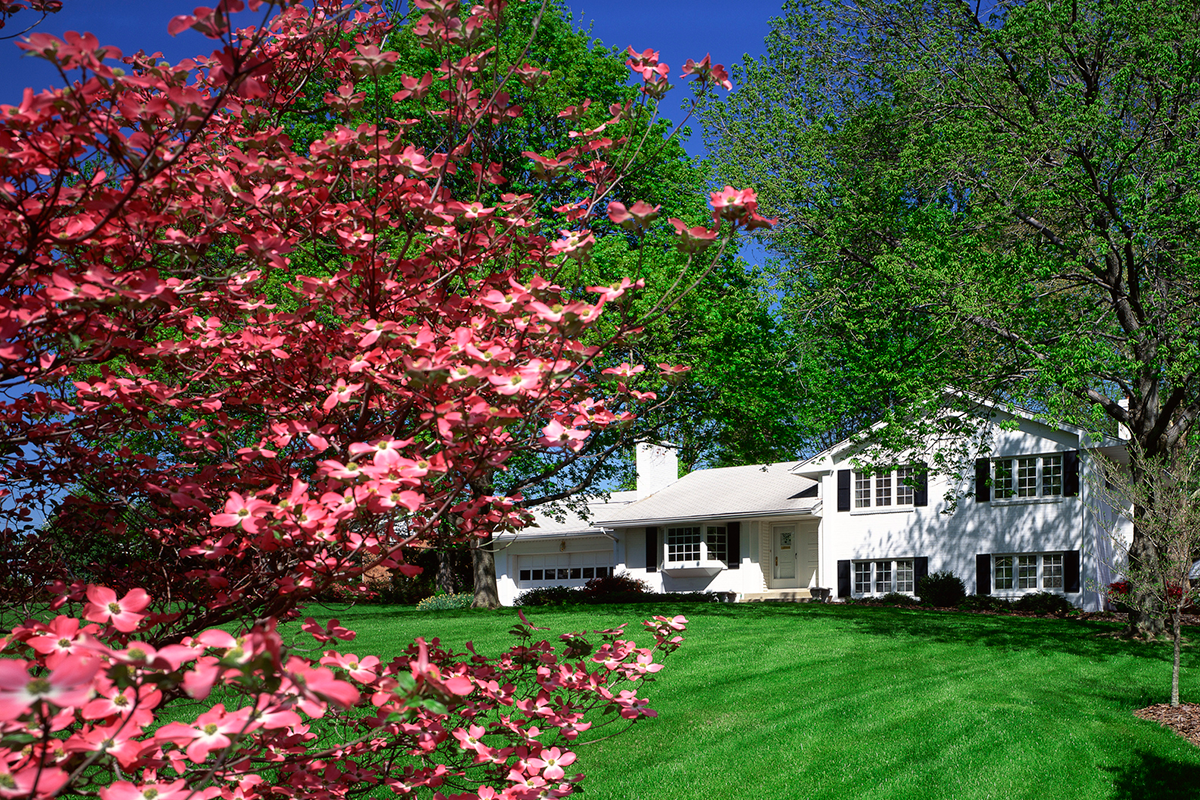
Flowering dogwood is the beloved native ornamental tree associated with spring throughout the eastern United States. Its familiar white or pink “petals” are actually modified leaves called bracts. The true flowers are the tiny yellow-green structures clustered in the center.
The tree also produces red fruit for birds, reddish-purple fall foliage, and blocky bark on mature trunks. It performs best in moist, acidic, organically rich soil with good drainage. Morning sun and afternoon shade usually provide a comfortable balance.
Avoid planting it in soggy soil, exposed heat, or a lawn that receives frequent trunk damage from mowers. Flowering dogwood can be vulnerable to powdery mildew, borers, and dogwood anthracnose, especially when stressed. Disease-resistant cultivars and good air circulation improve the odds of long-term success.
2. Kousa Dogwood (Cornus kousa)
Best for: Later flowers, decorative bark, and improved disease resistance
Typical size: 15 to 30 feet tall and wide
USDA zones: Generally 5 through 8
Kousa dogwood blooms several weeks after flowering dogwood, usually after its leaves have appeared. Its pointed white bracts create a clean, star-shaped display, followed by pinkish-red fruit resembling small raspberries. Mature trees develop mottled, exfoliating bark in shades of tan, gray, and brown.
This Asian species is widely valued for better resistance to dogwood anthracnose. It grows in full sun to partial shade but appreciates consistent moisture during hot weather. Humus-rich, acidic to neutral, well-drained soil is ideal.
Kousa dogwood is an excellent small specimen tree near a patio or front lawn. Just remember that falling fruit can become messy on pavement. Place it beside a garden bed rather than directly over the driveway unless pink polka dots are part of your hardscape plan.
3. Pacific Dogwood (Cornus nuttallii)
Best for: Pacific Northwest woodland landscapes
Typical size: Commonly 20 to 40 feet in cultivated settings
USDA zones: Usually zone 7 and warmer, depending on local conditions
Pacific dogwood is native from British Columbia through the western United States, with scattered inland populations. Its large white bracts can create a spectacular spring display, and some trees flower lightly again later in the year.
This is not the easiest dogwood for an inexperienced gardener. It prefers part shade, cool roots, acidic soil, organic matter, and excellent drainage. Hot reflected sunlight, compacted ground, bark damage, and eastern U.S. humidity can cause trouble.
Pacific dogwood makes the most sense when planted within or near its native range. Use it as an understory tree beneath tall conifers, leave a generous mulch zone around the trunk, and disturb its roots as little as possible.
4. Pagoda Dogwood (Cornus alternifolia)
Best for: Layered structure and partially shaded gardens
Typical size: 15 to 25 feet tall with a broad spread
USDA zones: Generally 3 through 7
Pagoda dogwood earns its name from branches that develop in distinctive horizontal tiers. Even without flowers, the shape gives a landscape an architectural quality. Creamy-white flower clusters appear in late spring, followed by bluish-black fruit that birds quickly discover.
Unlike most dogwoods, this species has alternately arranged leaves. It prefers cool, moist, acidic, well-drained soil and partial shade. Excessive heat and drought can lead to leaf scorch and decline.
Give pagoda dogwood enough room to spread naturally. Wedging it between a garage wall and a sidewalk defeats the purpose of growing a tree famous for graceful horizontal branches. It works especially well at a woodland edge or as a focal point in a shaded front yard.
5. Cornelian-Cherry Dogwood (Cornus mas)
Best for: Very early flowers, urban yards, and edible fruit
Typical size: 20 to 25 feet tall and 15 to 20 feet wide
USDA zones: Generally 4 through 8
Cornelian-cherry dogwood is a small tree or large shrub native to Europe and western Asia. Long before most spring-flowering trees wake up, it produces clusters of tiny yellow blossoms on bare branches. Red fruits develop later in summer and are edible when fully ripe, although flavor and productivity vary among cultivars.
This species tolerates urban conditions and a wider soil pH range than many flowering dogwoods. It grows in full sun or partial shade and handles occasional dryness once established, although well-drained soil remains important.
Use it as a hedge, patio tree, screen, or multi-stemmed specimen. Its early flowers support the first waves of pollinators, while older trunks develop attractive scaly bark. For fruit production, select named fruiting cultivars and consider planting compatible selections for better pollination.
6. Red-Osier Dogwood (Cornus sericea)
Best for: Winter color, rain gardens, and wet ground
Typical size: 6 to 9 feet tall and wide
USDA zones: Commonly 2 through 7
Red-osier dogwood is a native, multi-stemmed shrub grown primarily for its vivid red winter branches. White spring flowers, pale fruit, and reddish-purple fall foliage add interest, but the stems are the headline act.
The shrub tolerates heavy clay and seasonally wet ground, making it useful near drainage swales, ponds, and rain gardens. It grows in full sun to partial shade; brighter light generally encourages stronger stem color. Underground stems allow it to spread into colonies, which is helpful for erosion control but less charming in a tightly organized border.
Because young stems display the brightest red, remove roughly one-third of the oldest stems near ground level in early spring. This renewal pruning keeps the plant colorful without turning annual maintenance into shrub demolition day.
7. Silky Dogwood (Cornus amomum)
Best for: Wildlife gardens, streambanks, and moist naturalized areas
Typical size: 6 to 10 feet tall and wide
USDA zones: Generally 4 through 8
Silky dogwood is native to central and eastern North America, where it commonly grows beside wetlands, streams, and ponds. Creamy-white flower clusters appear in late spring, followed by porcelain-blue fruit that is highly attractive to birds. Reddish stems and burgundy fall color extend its seasonal value.
This adaptable shrub accepts full sun or partial shade and tolerates both wet periods and some dryness after establishment. It can also handle alkaline soil better than many dogwoods.
Silky dogwood looks most natural when planted in groups along a property boundary or water feature. It is less suited to a clipped formal hedge. Allow its rounded form to develop, then selectively remove old or crossing stems as needed.
8. Gray Dogwood (Cornus racemosa)
Best for: Tough sites, screens, wildlife habitat, and erosion control
Typical size: Usually 4 to 15 feet tall
USDA zones: Generally 3 through 8
Gray dogwood is the practical pickup truck of the group. It may not deliver the enormous spring bracts of flowering dogwood, but it tolerates dry, wet, poor, and compacted soils better than many ornamental species.
Creamy-white flowers mature into white fruit displayed on conspicuous red stalks. Birds eat the fruit, while dense colonies provide nesting and escape cover. The foliage may turn reddish-purple in fall.
Gray dogwood spreads by suckers, so use it where a thicket is an asset rather than a crisis. It is effective on slopes, along woodland edges, and in informal privacy screens. Gardeners who want a perfectly stationary specimen should either remove suckers regularly or choose a less enthusiastic species.
9. Roughleaf Dogwood (Cornus drummondii)
Best for: Midwestern and Great Plains native plantings
Typical size: Commonly 10 to 15 feet tall
USDA zones: Approximately 4 through 9
Roughleaf dogwood is a native clumping shrub or small tree with leaves that feel noticeably rough on the upper surface. Flat-topped clusters of creamy flowers appear in late spring, followed by hard white fruit held on reddish stalks.
Once established, this dogwood tolerates clay, alkaline conditions, and periodic drought better than moisture-loving species. It accepts sun or partial shade but flowers most heavily with adequate light. Suckering growth makes it valuable for screens, wildlife cover, windbreak edges, and erosion-prone areas.
Place roughleaf dogwood in a naturalistic section of the property where it can expand. It is a dependable native choice for challenging sites, though probably not the plant to position beside a narrow walkway unless regular pruning is your favorite cardio workout.
10. Bunchberry Dogwood (Cornus canadensis)
Best for: Cool, shaded woodland gardens
Typical size: 4 to 8 inches tall
USDA zones: Generally 2 through 6
Bunchberry proves that not every dogwood wants to become a tree. This low, creeping native ground cover produces miniature dogwood-like displays: four white bracts surrounding tiny central flowers, followed by clusters of bright red fruit.
It spreads through shallow rhizomes and performs best in cool climates with moist, acidic, well-drained soil and substantial shade. Hot summers, alkaline soil, drought, and foot traffic can cause it to struggle.
Use bunchberry beneath conifers, along shaded paths, or in a northern woodland garden. Do not treat it like ordinary lawn replacement. It needs a protected forest-floor environment, not children, dogs, and a wheelbarrow traveling across it every Saturday.
Dogwood Planting and Care Tips for DIY Landscapers
Match the Roots to the Soil
Most tree-form dogwoods perform poorly in compacted or waterlogged ground. Dig a hole no deeper than the root ball and two to three times as wide. Position the root flare at or slightly above the surrounding grade. Backfill with the original soil rather than creating a luxurious pocket that discourages roots from expanding outward.
Mulch Without Building a Volcano
Apply two to three inches of organic mulch over the root zone, keeping it several inches away from the trunk. Mulch conserves moisture, moderates soil temperature, and protects bark from lawn equipment. A mound pressed against the trunk traps moisture and invites decay, so leave the mulch volcano to fictional landscaping disasters.
Water During Establishment
New dogwoods need consistent moisture during their first growing seasons. Water deeply when the upper soil begins to dry, allowing moisture to reach the entire root ball. Frequent shallow sprinkling encourages shallow roots and does little during hot weather.
Prune With a Purpose
For tree dogwoods, remove dead, damaged, crowded, or rubbing branches. Avoid unnecessary heavy pruning. For colorful-stemmed shrubs, renewal pruning stimulates bright new growth. Always use clean, sharp tools and avoid wounding the trunk.
Hands-On Experiences and Lessons From Dogwood Landscaping Projects
The most useful lesson from working with dogwoods is that the planting location usually matters more than the plant label’s promises. A flowering dogwood installed in exposed afternoon sun may arrive covered in blooms and look wonderful for one spring. By August, however, scorched leaf edges, dry soil, and a stressed canopy can reveal the mistake. Moving that same design idea to the eastern side of a house, where the tree receives morning light and afternoon protection, creates a far more comfortable microclimate.
Spacing is another detail that DIY projects often underestimate. A young Kousa dogwood in a five-gallon container can look almost comically small in the front yard. The temptation is to place it close to the porch so it has “presence.” Ten or fifteen years later, its broad canopy may be rubbing the roof, blocking a window, and dropping fruit on the steps. Marking the mature width on the ground with a garden hose before digging offers a surprisingly effective reality check.
Wet areas create the opposite challenge. Homeowners sometimes spend money trying to force flowering trees into a soggy low spot where roots remain starved of oxygen. A mass of red-osier or silky dogwood is usually a smarter solution. These shrubs can turn a drainage problem into a seasonal feature, particularly when red winter stems are positioned in front of dark evergreens. The contrast remains visible from across the yard even when snow covers everything else.
Dogwood shrubs also demonstrate why maintenance expectations should be decided before planting. Gray and roughleaf dogwoods are excellent for stabilizing slopes and building wildlife cover because they spread. In a narrow ornamental bed, the same behavior becomes an annual argument conducted with pruning shears. A plant is not badly behaved merely because it forms a colony; it has simply been assigned the wrong job.
Mulching mistakes are common during weekend planting projects. More mulch is not automatically better. A neat, broad mulch ring protects shallow dogwood roots and reduces competition from turf. A tall cone of mulch against the trunk can keep bark damp and provide shelter for rodents. The finished bed should resemble a shallow doughnut, not a chocolate fountain.
Another practical observation involves nursery selection. A healthy dogwood should have an evenly developed canopy, intact bark, and a visible root flare rather than a trunk disappearing straight into the container mix. Circling roots should be corrected before planting. Buying the largest available specimen is not always an advantage; a smaller tree with a healthy root system often establishes faster and requires less heroic watering.
Finally, dogwoods reward patience. New trees may bloom lightly while roots establish, and red-twig shrubs may need renewal pruning before producing their best winter color. The goal is not an instant magazine cover. It is a plant that suits the site, gains strength each season, and eventually looks as though the landscape was designed around it from the beginning.
Conclusion
The best dogwood for your yard depends on what the property actually needs. Flowering and Kousa dogwoods make beautiful specimen trees. Pagoda dogwood supplies distinctive structure, while Pacific dogwood belongs in carefully chosen western woodland sites. Cornelian-cherry dogwood brings exceptionally early color, and moisture-tolerant shrub dogwoods can solve drainage and erosion problems while supporting wildlife.
Before buying, compare the species with your climate, sunlight, soil, available space, and maintenance plans. That small decision can separate a thriving four-season landscape feature from a stressed plant that spends every summer filing a complaint.