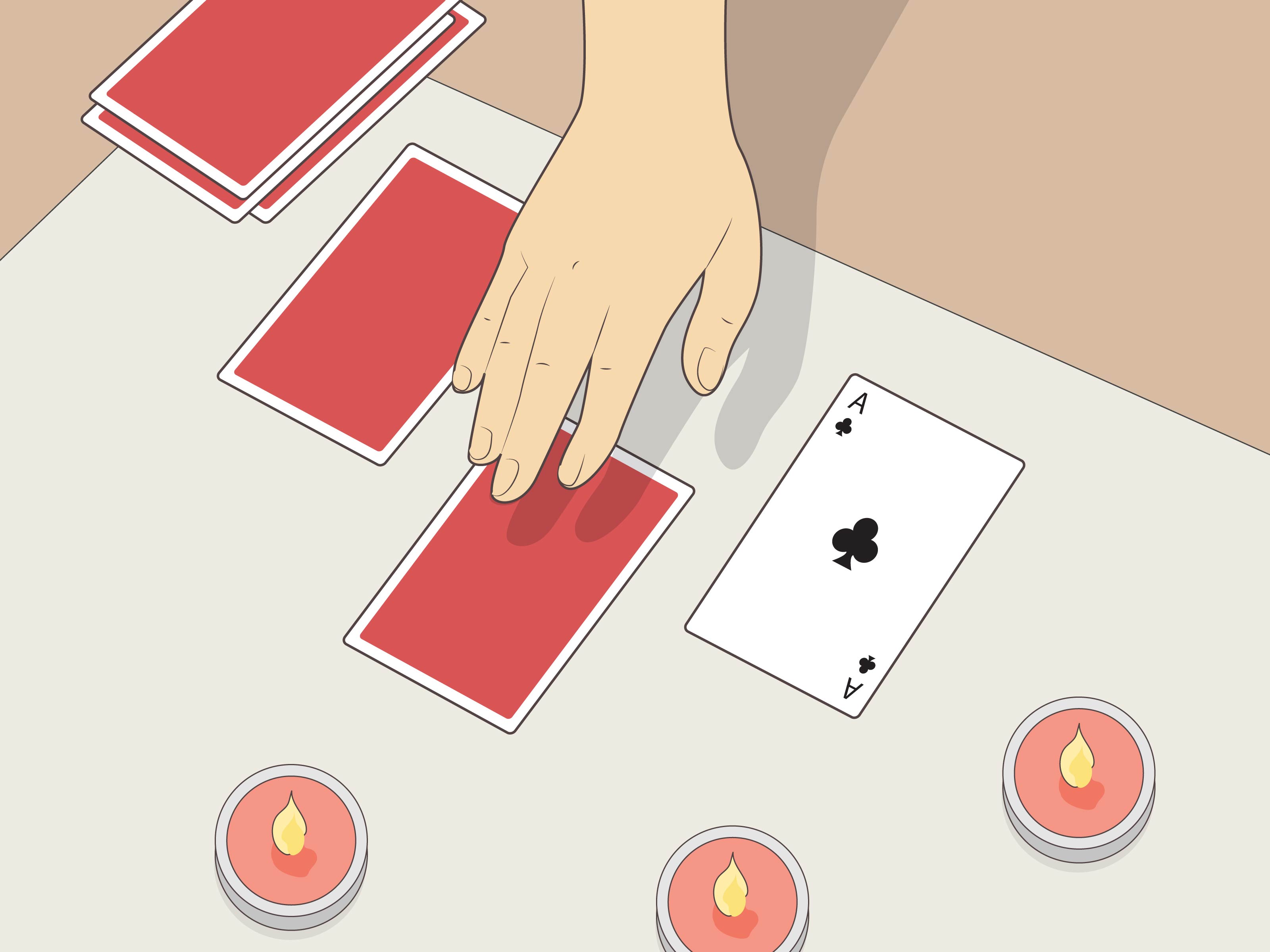
Good news: you do not need a velvet tablecloth, a crystal ball, or a raven named Gerald to start reading cards. If you have a regular deck of playing cardsthe same 52-card deck used for poker, bridge, solitaire, and dramatic movie scenesyou already have a practical tool for cartomancy, the art of reading fortunes or gaining insight through cards.
Cartomancy with playing cards is often described as “tarot’s pocket-sized cousin.” It is simpler than a traditional 78-card tarot deck because there are no Major Arcana cards, no illustrated story scenes on every card, and no mysterious person in a robe staring at a moonlit lobster. Instead, you work with four suits, numbers, court cards, patterns, intuition, and context.
This guide will show you how to read tarot with playing cards, how the suits connect to tarot meanings, how to interpret numbers and face cards, and how to do simple spreads for love, career, personal growth, and everyday decision-making. Think of it as learning to read the roombut the room has shuffled itself and is wearing red and black.
What Is Cartomancy?
Cartomancy is divination or intuitive reading using cards. While tarot uses a specialized deck of 78 cards, playing-card cartomancy uses the standard 52-card deck. Some readers include jokers; others remove them. Beginners usually find it easier to start without jokers because the core system is already rich enough to keep your brain pleasantly busy.
Historically, tarot began as a card game in Renaissance Europe before it became associated with divination and symbolic interpretation. Playing cards also traveled through cultures, changed suits and designs, and eventually became the familiar deck used in the United States today. In other words, cards have always had two jobs: entertain people and make people suspiciously thoughtful.
Tarot vs. Playing Cards: What Is Missing?
A tarot deck has 78 cards: 22 Major Arcana and 56 Minor Arcana. The Major Arcana includes cards like The Fool, The Lovers, Death, The Tower, and The World. These cards often represent major life themes, turning points, archetypes, and spiritual lessons.
A regular playing-card deck has 52 cards and no Major Arcana. That means playing-card readings tend to focus more on practical life: emotions, money, communication, work, conflict, timing, choices, and relationships. If tarot is a full cinematic universe, playing-card cartomancy is a sharp short film with excellent pacing.
How Playing Card Suits Match Tarot Suits
The easiest way to read tarot with playing cards is to connect each playing-card suit with a tarot suit. This gives you a familiar structure and makes meanings easier to remember.
Hearts = Cups
Hearts connect with emotions, love, relationships, family, compassion, intuition, healing, and the inner world. When hearts appear in a reading, ask: “What is being felt here?”
Diamonds = Pentacles
Diamonds relate to money, work, resources, practical stability, possessions, health habits, and long-term value. When diamonds appear, ask: “What is real, useful, measurable, or worth building?”
Clubs = Wands
Clubs represent action, creativity, ambition, growth, energy, ideas, confidence, and movement. When clubs dominate a spread, ask: “Where is the fire? What wants to happen next?”
Spades = Swords
Spades connect with thoughts, truth, communication, stress, conflict, decisions, endings, and mental pressure. Spades are not automatically bad, but they are rarely fluffy. They are the cards that walk in carrying a clipboard and saying, “We need to talk.”
How Numbers Work in Playing-Card Cartomancy
Once you understand the suits, the numbers help you refine the message. A three of hearts is not the same as a ten of hearts, just as “I like you” is not the same as “I have already named our imaginary dog.”
Aces: Beginnings
Aces signal seeds, fresh starts, opportunities, invitations, and new energy. Ace of Hearts may suggest a new emotional connection. Ace of Diamonds may point to a financial opportunity or practical offer.
Twos: Choices and Partnerships
Twos bring duality, balance, decisions, cooperation, and tension between two paths. Two of Spades can suggest a difficult choice, while Two of Hearts may show affection, mutual understanding, or reconciliation.
Threes: Growth and Expression
Threes are about expansion, communication, creativity, and early results. Three of Clubs can show a project gaining momentum. Three of Diamonds may represent teamwork, planning, or building skills.
Fours: Stability
Fours bring structure, rest, foundations, and security. Four of Hearts may indicate emotional comfort or a need to reconnect. Four of Spades can suggest recovery, silence, or stepping back before making a decision.
Fives: Change and Challenge
Fives are restless. They bring disruption, conflict, transition, learning curves, and the occasional “Why is this happening before coffee?” moment. Five of Diamonds may show financial adjustment. Five of Spades can signal conflict, worry, or harsh words.
Sixes: Harmony and Movement
Sixes often show improvement, support, healing, travel, or cooperation. Six of Hearts may suggest nostalgia or emotional kindness. Six of Clubs can point to progress after effort.
Sevens: Reflection and Testing
Sevens ask for patience, inner wisdom, analysis, and trust. Seven of Diamonds may suggest waiting for results. Seven of Spades can warn against confusion, secrecy, or overthinking.
Eights: Power and Momentum
Eights represent movement, discipline, strength, ambition, and consequences. Eight of Clubs can show rapid progress. Eight of Spades may point to mental restriction or feeling trapped by a story you keep telling yourself.
Nines: Completion and Insight
Nines bring maturity, fulfillment, anxiety before closure, or a nearly finished chapter. Nine of Hearts is often read as satisfaction or a wish coming closer. Nine of Spades can represent sleepless worry, guilt, or mental pressure.
Tens: Endings and Full Cycles
Tens complete the suit’s story. Ten of Diamonds may show financial security, family assets, or long-term success. Ten of Spades may indicate an ending, burnout, or the need to stop forcing what is already done.
How to Read Court Cards
Court cards are the Jacks, Queens, and Kings. They may represent people, personality traits, roles, or energies in a situation.
Jacks
Jacks are messengers, learners, young energy, curiosity, and movement. A Jack can represent a child, student, assistant, flirtation, message, or new idea. Jack of Clubs may be an energetic beginner. Jack of Hearts may be a romantic or emotionally open person.
Queens
Queens represent maturity, receptivity, emotional intelligence, influence, care, and inner authority. Queen of Diamonds may be practical and resourceful. Queen of Spades may be honest, independent, perceptive, and allergic to nonsense.
Kings
Kings show leadership, mastery, responsibility, control, and outward authority. King of Clubs may be entrepreneurial and bold. King of Hearts may be emotionally steady, protective, and wise.
Should You Use Jokers?
Jokers are optional. If you use them, many readers interpret the Joker like The Fool in tarot: new beginnings, wild cards, freedom, surprise, innocence, risk, or unpredictable energy. One Joker may mean “start fresh.” Two Jokers may mean “the universe just knocked over the chessboard.”
For beginners, remove the jokers at first. Add them later when you feel comfortable with the 52-card system.
How to Prepare for a Playing-Card Reading
You do not need complicated rituals, but a little structure helps. Choose a clean deck that you use only for readings if possible. This keeps the deck mentally separate from games, snack crumbs, and that one uncle who bends cards like he is interrogating them.
- Clear your question. Ask open-ended questions instead of fixed yes-or-no questions.
- Shuffle slowly. Focus on the topic while shuffling.
- Cut the deck. This creates a pause and helps you feel intentional.
- Draw the cards. Place them in the spread you choose.
- Read suit, number, and position together. Do not read each card in isolation.
- Journal the result. Your notes will become your best teacher.
Best Questions to Ask in Cartomancy
Good questions create useful readings. Instead of asking, “Will I become rich?” try, “What can I do to improve my financial stability?” Instead of “Does my ex miss me?” try, “What do I need to understand about this connection?” The second type of question gives you agency. The first type mostly gives you a dramatic afternoon.
Helpful questions include:
- What energy surrounds this situation?
- What should I focus on this week?
- What is the challenge I am not seeing clearly?
- What action would support my growth?
- What do I need to release?
- What is the likely outcome if I continue on this path?
Beginner-Friendly Cartomancy Spreads
One-Card Daily Reading
Draw one card in the morning and ask, “What should I pay attention to today?” If you draw the Six of Clubs, the day may favor progress, errands, effort, and action. If you draw the Four of Spades, rest and reflection may matter more than charging into the world like a caffeinated knight.
Three-Card Spread: Past, Present, Future
This classic spread is simple and powerful. Card one shows past influence. Card two shows present energy. Card three shows the likely direction.
Example: Five of Hearts, Ace of Diamonds, King of Clubs.
The Five of Hearts suggests past emotional disappointment or change. The Ace of Diamonds shows a new practical opportunity in the present, such as a job offer, business idea, or fresh routine. The King of Clubs points toward confident leadership and bold action. The message: stop letting old emotional turbulence manage your calendar. A grounded opportunity is here, but it needs courage and initiative.
Three-Card Spread: Situation, Challenge, Advice
This spread is excellent for career, relationships, and personal decisions. The first card explains what is happening. The second card reveals friction. The third card offers guidance.
Example: Three of Diamonds, Seven of Spades, Queen of Hearts.
The Three of Diamonds shows collaboration, skill-building, or planning. The Seven of Spades suggests doubt, secrecy, or unclear communication. The Queen of Hearts advises emotional honesty, empathy, and calm listening. Translation: the project can work, but someone needs to stop communicating like a locked diary with Wi-Fi issues.
Five-Card Cross Spread
Use this when you want more detail. Lay one card in the center, one above, one below, one left, and one right.
- Center: the situation
- Left: past influence
- Right: future direction
- Top: conscious focus
- Bottom: hidden root
This spread helps you see layers. A situation may look financial on the surface but emotional underneath. Or it may look romantic but actually be about self-worth, timing, or communication.
How to Combine Cards Like a Real Reader
Beginners often memorize meanings and then freeze when cards appear together. The trick is to read combinations like sentences.
Ace of Hearts + Two of Hearts: a new emotional connection grows into mutual affection.
Five of Diamonds + Ten of Diamonds: short-term financial stress can lead to long-term stability if handled wisely.
Eight of Spades + Queen of Spades: mental restriction may be solved by honest boundaries and clear thinking.
Jack of Clubs + Three of Clubs: a new idea needs experimentation, communication, and momentum.
Look for repeated suits. Many hearts suggest emotions. Many diamonds suggest work or money. Many spades suggest mental pressure or decisions. Many clubs suggest movement and action. Look for repeated numbers too. Several fives mean change. Several tens mean endings. Several aces mean fresh starts.
Common Mistakes Beginners Make
Reading Every Spade as Disaster
Spades can be intense, but they are not doom confetti. They often reveal truth, boundaries, strategy, stress, or necessary endings. A spade may be saying, “Be honest,” not “Cancel your life and move into a cave.”
Asking the Same Question Repeatedly
Pulling cards again and again usually creates confusion. If you ask the same question eight times, the deck may not be mysteriousyou may just be negotiating with cardboard.
Ignoring Context
The Three of Hearts in a love reading may suggest joy or social connection. In a work reading, it may suggest teamwork or office friendliness. Same card, different room, different conversation.
Forgetting Free Will
Cartomancy is best used for reflection, not fatalism. A reading can show patterns, possibilities, and advice, but you still make choices. Cards are mirrors, not handcuffs.
Quick Playing Card Meaning Cheat Sheet
Hearts: love, emotions, family, healing, intuition.
Diamonds: money, work, resources, health routines, practical value.
Clubs: energy, ambition, creativity, movement, growth.
Spades: thoughts, conflict, truth, decisions, endings, stress.
Aces: beginnings. Twos: choices. Threes: growth. Fours: stability. Fives: change. Sixes: harmony. Sevens: reflection. Eights: momentum. Nines: completion. Tens: full cycles.
Jacks: messages and new energy. Queens: maturity and inner authority. Kings: leadership and mastery.
Ethical Cartomancy: Read with Care
Whether you read for yourself or others, keep your readings compassionate and grounded. Avoid frightening predictions, medical claims, legal advice, or financial guarantees. If someone asks about a serious health, safety, legal, or mental health issue, encourage them to contact a qualified professional.
Good cartomancy empowers people. It does not trap them in fear. The best readings sound less like “The cards have doomed you” and more like “Here is the pattern, here are your options, and here is where your power may be hiding under a pile of emotional laundry.”
Experience Notes: What Reading Playing Cards Teaches You Over Time
The first experience many beginners have with cartomancy is surprise. A normal deck looks so ordinary that it almost feels too simple. No gold edges. No dramatic illustrations. No tiny castle on a cliff. Just hearts, diamonds, clubs, and spades. Yet after a few readings, the deck starts to feel surprisingly expressive. The plainness becomes a strength because it forces you to listen closely.
In practice, the most useful skill is not memorizing 52 separate meanings. It is learning how tone changes through combinations. For example, the Nine of Hearts alone may feel like satisfaction, gratitude, or a wish. But if it appears beside the Five of Spades, the reading may suggest that happiness is being interrupted by conflict, guilt, or unresolved words. If the same Nine of Hearts appears beside the Ten of Diamonds, the mood becomes warmer and more stable, pointing toward emotional satisfaction connected with family, home, or financial security.
Another common experience is learning that readings improve when the question improves. Vague questions create foggy answers. “What will happen to me?” is huge, slippery, and not very helpful. “What should I understand about my current career path?” gives the reading a clear doorway. The cards seem easier to interpret because your mind knows where to place the symbols.
Many beginners also discover that journaling changes everything. A card meaning that seems confusing today may make perfect sense two weeks later. Maybe you pulled the Seven of Diamonds and thought nothing was happening. Then you realized you were waiting for payment, test results, a reply, or the first visible signs of progress. Cartomancy often teaches patience because not every message arrives wearing tap shoes.
Reading for friends can be another turning point. You may notice that people rarely need a dramatic prophecy. More often, they need language for something they already feel. The cards give shape to the unspoken. A Queen of Spades may help someone admit they need boundaries. A Four of Hearts may reveal emotional comfort that has become emotional stagnation. A Jack of Clubs may encourage someone to try the idea they keep joking about but secretly care about.
Over time, you may develop personal associations. Perhaps the King of Hearts reminds you of emotionally steady mentors. Perhaps the Eight of Clubs always appears when life speeds up. These personal meanings do not replace traditional meanings; they deepen them. The deck becomes a shared vocabulary between structure and intuition.
The biggest lesson is humility. Some readings are clear. Others are stubborn little puzzles. That is normal. Cartomancy is not about being perfectly mystical on command. It is about attention, symbolism, reflection, and honest interpretation. Some days the cards whisper. Some days they speak loudly. Some days they appear to say, “Please drink water and stop asking about that person.” Honestly, that is wisdom too.
Conclusion
Learning how to read tarot with playing cards is one of the most accessible ways to explore cartomancy. A simple deck can reveal emotional patterns, practical choices, mental blocks, creative energy, and possible next steps. You do not need to know everything before you begin. Start with suits, numbers, court cards, and a few easy spreads. Then practice, journal, compare patterns, and let your intuition grow naturally.
Playing-card cartomancy works because it blends structure with imagination. The suits give you themes. The numbers give you movement. The court cards give you personalities. The spread gives you context. Your intuition connects the dots. And if the deck happens to be the same one you used for Go Fish in 2007, congratulationsyou have upgraded it professionally.
Note: Cartomancy is best used for reflection, creativity, and personal insight. It should not replace professional medical, legal, financial, or mental health advice.