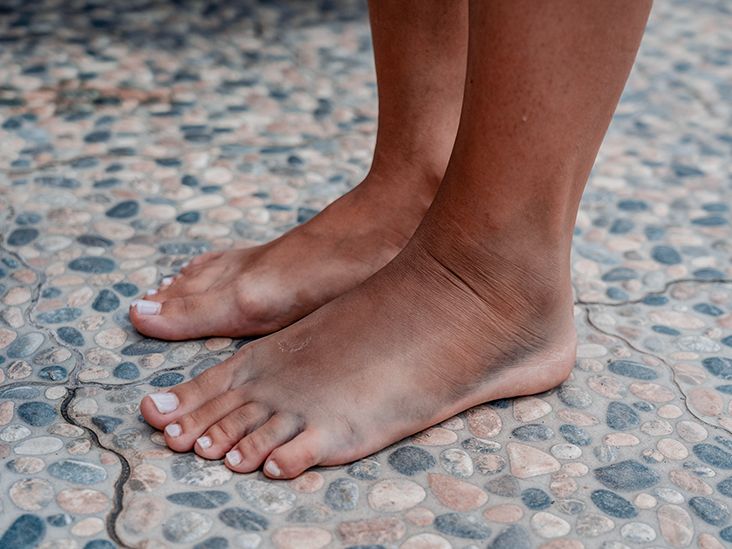
Your feet can turn purple for reasons ranging from a chilly room to a serious interruption in blood flow. The color alone cannot reveal the cause, but accompanying cluespain, temperature, swelling, numbness, wounds, and whether one or both feet are affectedcan help determine what to do next.
What Does It Mean When Your Feet Turn Purple?
Purple feet usually indicate a change in the blood, blood vessels, or surrounding skin. When tissues receive less oxygen-rich blood, the blood beneath the skin becomes darker and may create a blue, gray, or purple appearance. Doctors call this discoloration cyanosis.
However, not every purple patch is cyanosis. Blood trapped beneath the skin after an injury produces a bruise, while long-term vein problems can cause darker pigmentation around the feet and ankles. Lighting, natural skin tone, cold exposure, and even tightly fitting footwear can also affect what you see.
On darker skin, circulation-related color changes may be easier to notice in the toenails, nail beds, soles, lips, gums, or around the eyes. Comparing both feet in natural light can be more informative than studying one suspicious-looking toe beneath a bathroom bulb that seems determined to create drama.
Common Causes of Purple Feet
Cold Temperatures and Acrocyanosis
Cold causes surface blood vessels to narrow so the body can conserve heat. This normal response may temporarily make both feet look bluish or purple. The color should improve as the feet warm and circulation returns.
Acrocyanosis is a longer-lasting blood vessel spasm that commonly affects both feet or hands. Primary acrocyanosis is usually painless, symmetrical, and harmless. Secondary acrocyanosis, however, may affect only one side, cause pain, damage tissue, or occur alongside another medical condition. New, painful, or one-sided symptoms deserve evaluation.
Raynaud’s Phenomenon
Raynaud’s phenomenon causes small blood vessels in the toes to overreact to cold or emotional stress. During an episode, the toes may become white, blue or purple, and then red as circulation returns. Coldness and numbness may be followed by tingling, throbbing, or swelling.
Primary Raynaud’s occurs without another known disease and is often manageable. Secondary Raynaud’s can be connected to lupus, scleroderma, thyroid disease, blood vessel disorders, certain medications, previous frostbite, or exposure to vibrating tools. Episodes involving sores, significant pain, or only one side require medical attention.
Chilblains
Chilblains, also called pernio, are inflamed areas that develop after exposure to cold, damp conditions that are above freezing. Affected toes may become red, blue, or purple and feel swollen, itchy, tender, or hot. Blisters occasionally form.
Chilblains often improve within a few weeks when the skin is kept warm and dry. Repeated or persistent outbreaks may be associated with an autoimmune condition and should be discussed with a clinician. Avoid placing affected toes directly against a heater; enthusiastic reheating can injure skin that is already unhappy.
Chronic Venous Insufficiency
Veins return blood from the legs to the heart. When their valves weaken or become damaged, blood can pool in the lower legs and feet. Chronic venous insufficiency may cause ankle swelling, aching, heaviness, varicose veins, itching, and reddish-purple or brown discoloration. Symptoms frequently become worse after prolonged sitting or standing and improve when the legs are elevated.
Treatment may include exercise, weight management, leg elevation, skin care, compression therapy, medication, or a vein procedure. Compression stockings are not appropriate for everyone. Significant arterial disease should be ruled out before strong compression is used.
Peripheral Artery Disease
Peripheral artery disease, or PAD, develops when narrowed arteries reduce blood flow to the legs and feet. Affected feet may appear pale, blue, or purple and feel unusually cold. Other warning signs include weak foot pulses, shiny skin, reduced leg-hair growth, numbness, thickened toenails, and wounds that heal slowly.
A classic PAD symptom is cramping or aching in the calf, thigh, hip, or foot during walking that improves after resting. Advanced disease can cause foot or toe pain at night, pain while resting, ulcers, infection, or tissue death. PAD also signals a higher risk of heart attack and stroke, so treating it involves protecting more than the feet.
Acute Limb Ischemia
Acute limb ischemia is a sudden, severe reduction in arterial blood flow. It is a medical emergency because muscles, nerves, and skin can quickly suffer irreversible damage.
Emergency signs are often summarized as the “six Ps”:
- Pain: Sudden, intense pain, including pain at rest.
- Pallor: Pale, mottled, blue, or purple skin.
- Pulselessness: A weak or absent pulse in the foot.
- Paresthesia: Tingling or numbness.
- Paralysis: Difficulty moving the foot or toes.
- Poikilothermia: A foot that feels much colder than the other one.
Call 911 for these symptoms. Do not wait to see whether a warm sock fixes the problem.
Blue Toe Syndrome and Small Artery Blockages
A painful purple or blue toe can result from cholesterol crystals, clots, or other material blocking small arteries. This is sometimes called blue toe syndrome. Unlike a large arterial blockage, the foot may remain warm and a pulse may still be detectable because the obstruction is farther downstream.
A new purple toe without an obvious injury needs urgent medical assessment, particularly after a vascular procedure or in someone with atherosclerosis, an aneurysm, an abnormal heart rhythm, or a blood-clotting disorder.
Deep Vein Thrombosis
A deep vein thrombosis, or DVT, is a blood clot in a deep vein, usually in one leg. It more commonly causes swelling, warmth, tenderness, and red or dark discoloration than an isolated purple foot. Nevertheless, severe venous congestion can produce bluish or purple skin.
Seek prompt care for unexplained one-sided swelling, warmth, pain, or discoloration, especially after surgery, hospitalization, pregnancy, hormone treatment, cancer, or a long period of immobility. Call 911 if these symptoms occur with sudden shortness of breath, chest pain, fainting, a rapid heartbeat, or coughing up blood, which may indicate a pulmonary embolism.
Injury and Bruising
A localized purple patch after dropping an object on the foot, stubbing a toe, or wearing footwear that rubs may simply be a bruise. Small damaged vessels leak blood beneath the skin, creating discoloration that gradually changes as the body reabsorbs it.
Severe swelling, deformity, inability to bear weight, loss of sensation, an expanding bruise, or pain that does not improve may point to a fracture, significant bleeding, or another injury requiring professional care. Unexplained or frequent bruising should also be evaluated.
Diabetes-Related Foot Problems
Diabetes does not automatically turn feet purple, but it can damage both nerves and blood vessels. Reduced sensation makes small injuries easy to miss, while poor circulation slows healing and increases the risk of infection and tissue loss.
People with diabetes should inspect their feet daily for color changes, blisters, swelling, cuts, warm spots, drainage, and wounds. A new purple area, ulcer, or sudden change in temperature warrants prompt medical advice even when it does not hurt. A painless wound is not necessarily a harmless wound.
Other Possible Causes
Less common causes include frostbite, nonfreezing cold injury, vasculitis, autoimmune disease, blood-clotting disorders, Buerger disease, severe infection, vascular malformations, and side effects from certain medications. Generalized cyanosis caused by a heart or lung problem can also affect the feet, but it often produces blue or gray lips, gums, or nail beds along with breathing difficulty.
When Are Purple Feet an Emergency?
Get emergency help immediately if discoloration appears suddenly and is accompanied by:
- Severe foot or leg pain.
- A cold, numb, weak, or immobile foot.
- A pulse that seems absent or much weaker than on the other side.
- Rapidly spreading dark or black skin.
- Blue lips, breathing difficulty, confusion, fainting, or chest pain.
- Signs of severe infection, such as fever, rapidly increasing swelling, pus, or red streaks.
Arrange prompt medical care for a newly purple toe, persistent one-sided discoloration, a nonhealing wound, or one swollen and painful leg. People with diabetes, known vascular disease, autoimmune disease, or a history of blood clots should use an especially low threshold for calling a clinician.
How Doctors Diagnose Purple Feet
A clinician will ask when the color change started, whether it is constant or episodic, and what triggers or relieves it. Cold exposure, injury, exercise, prolonged sitting, new medication, recent surgery, and travel are all useful clues.
The examination typically compares both feet for temperature, swelling, sensation, wounds, and pulses. The clinician may observe whether color changes with warming, walking, or changing position.
Depending on the suspected cause, testing may include:
- Pulse oximetry to estimate oxygen levels in the blood.
- Ankle-brachial index to compare blood pressure at the ankle and arm.
- Doppler or duplex ultrasound to assess arterial or venous blood flow.
- Blood tests for diabetes, cholesterol, anemia, inflammation, thyroid disease, or clotting abnormalities.
- CT angiography, magnetic resonance angiography, or a catheter angiogram when a blockage requires detailed imaging.
- X-rays when trauma, fracture, or a diabetes-related bone problem is suspected.
Photographs taken during an episode can be useful when the discoloration disappears before the appointment. Include both feet in the same lighting and note the temperature, activity, and duration.
Treatment for Purple Feet
Gentle Warming for Cold-Triggered Symptoms
Move to a warmer setting, replace wet socks, and warm the feet gradually. Loose wool or moisture-wicking socks can help. Avoid very hot water, heating pads, fireplaces, and direct contact with radiators, especially if sensation is reduced.
For recurrent Raynaud’s attacks, a clinician may recommend avoiding triggers, stopping tobacco, reviewing contributing medicines, or using prescription drugs that relax blood vessels. Do not stop a prescribed medicine without medical guidance.
Improving Arterial Circulation
PAD treatment commonly combines tobacco cessation, structured walking exercise, heart-healthy eating, and control of blood pressure, cholesterol, and blood glucose. Doctors may prescribe cholesterol-lowering or antiplatelet medication and, in selected cases, medicine to improve walking symptoms.
Severe blockages may require angioplasty, a stent, clot removal, or bypass surgery. Sudden arterial obstruction demands emergency treatment rather than a future appointment squeezed between lunch and errands.
Managing Venous Pooling
Movement, calf-muscle exercise, weight management, and leg elevation can reduce venous congestion. Properly fitted compression stockings may improve swelling and blood return when recommended by a healthcare professional. Procedures that close or remove malfunctioning veins are options for some patients.
Elevation may worsen pain caused by severe arterial disease, so purple feet should not automatically be treated as a vein problem. The correct treatment depends on which side of the circulation system is misbehaving.
Protecting the Skin and Feet
Keep feet clean and dry, wear shoes that fit properly, and check the skin every day. Do not cut open blisters, trim corns with sharp tools, or apply harsh chemical callus removers. People with diabetes, neuropathy, PAD, or previous ulcers may benefit from regular podiatric care.
Open wounds may need cleaning, pressure relief, infection treatment, specialized dressings, and restoration of blood flow. Antibiotics treat bacterial infections; they do not correct poor circulation by themselves.
Can Purple Feet Be Prevented?
Not every cause is preventable, but everyday habits can reduce risk:
- Do not smoke or use tobacco products.
- Stay physically active and break up long periods of sitting.
- Manage diabetes, blood pressure, and cholesterol.
- Wear warm, dry socks in cold or damp conditions.
- Choose comfortable shoes with enough room for the toes.
- Inspect the feet regularly for discoloration and wounds.
- Follow medical advice about compression stockings and blood-thinning medication.
Conclusion
Purple feet are a visible symptom, not a diagnosis. Temporary, symmetrical discoloration after cold exposure may be harmless, while a suddenly painful, cold, numb, or one-sided purple foot can signal a dangerous loss of circulation. Swelling, wounds, weak pulses, breathing difficulty, and persistent color changes add important context.
When in doubt, pay attention to the entire pattern rather than judging the shade alone. Prompt evaluation can distinguish a manageable cold response from an arterial blockage, venous disorder, blood clot, injury, or diabetes-related complicationand may protect both mobility and overall cardiovascular health.
Experiences and Practical Lessons From Living With Purple Feet
The following illustrative scenarios reflect common symptom patterns. They are not real-patient testimonials and should not be used for self-diagnosis.
The Cold-Office Pattern
Imagine someone whose toes become purple whenever the office air conditioning shifts from “pleasant” to “arctic expedition.” Both feet feel cold but not severely painful, and their normal color returns after walking and putting on warm socks. Tracking the pattern reveals that cold exposure is the consistent trigger.
The practical lesson is to warm the whole body, not just roast the toes. Layered clothing, dry socks, regular movement, and avoiding abrupt temperature changes may reduce episodes. If the pattern is new, increasingly painful, or associated with sores, a medical visit can help distinguish Raynaud’s phenomenon from acrocyanosis or an underlying circulation disorder.
The End-of-Day Swelling Pattern
Another person notices that both feet look dusky after standing through a long shift. Sock marks deepen around the ankles, the legs feel heavy, and the color improves after resting with the legs raised. That pattern may suggest venous pooling rather than insufficient arterial inflow.
A healthcare professional may check pulses and circulation before recommending compression stockings. Once properly fitted, compression, walking breaks, calf raises, and elevation may make the workday much more comfortable. Buying the tightest socks available without an assessment is not a clever shortcut; excessive compression can be risky when arterial circulation is poor.
The Walking-Pain Pattern
Consider an older adult who develops calf pain after walking two blocks. The discomfort disappears after several minutes of rest, but one foot is cooler, the toenails have become thicker, and a small heel sore seems to be taking its sweet time healing. Those details make PAD more concerning than ordinary aging or tired muscles.
An ankle-brachial index and vascular assessment can identify reduced blood flow. Treatment may include a supervised or structured walking program, tobacco cessation, medication, better management of diabetes and cholesterol, and sometimes a procedure. The experience often teaches an important lesson: predictable walking pain is information, not merely an admission that the couch has won.
The Sudden Purple-Foot Pattern
The most urgent scenario begins without much warning. One foot abruptly turns mottled or purple, becomes much colder than the other, and develops severe pain or numbness. Waiting overnight, massaging the leg, or experimenting with hot water could waste critical time. Emergency assessment is the appropriate response because acute limb ischemia can threaten tissue within hours.
Preparing for a Medical Appointment
Living with unexplained color changes can be unsettling, particularly when the feet look normal by the time an appointment arrives. A short symptom record can make the visit more productive. Note whether one or both feet are affected, what the feet feel like, how long the episode lasts, and whether cold, walking, sitting, standing, or elevation changes the color.
Photographs in consistent lighting can document an intermittent episode. Bring a medication list and mention tobacco exposure, diabetes, autoimmune disease, recent surgery, injuries, long travel, and previous clots. These details help the clinician choose appropriate tests instead of asking your toes to reenact the event on command.
The broad lesson across all these experiences is simple: context matters. A brief symmetrical change after cold exposure is quite different from a painful purple toe, a swollen warm leg, or a cold numb foot. Paying attention without panickingand seeking timely care when warning signs appearis the most useful response.
Editorial research basis
- Mayo Clinic: Raynaud’s Disease
- Cleveland Clinic: Acrocyanosis
- National Heart, Lung, and Blood Institute: Peripheral Artery Disease
- American Academy of Dermatology: Chilblains and Discolored Toes
- Centers for Disease Control and Prevention: Blood Clots
- Johns Hopkins Medicine: Chronic Venous Insufficiency
- American Heart Association: Peripheral Artery Disease
- Society for Vascular Surgery: Acute Limb Ischemia
- Cleveland Clinic: Cholesterol Emboli and Blue Toe Syndrome
- National Institute of Diabetes and Digestive and Kidney Diseases: Diabetes and Foot Problems
- Mayo Clinic: PAD Diagnosis and Treatment
- MedlinePlus: Bruises