Some paints quietly blend into a room. Others stroll in wearing a fabulous jacket and politely demand better lighting. Modern Masters’ Metallic Paint – Silver belongs in the second group. It is one of those specialty finishes that can make a wall, ceiling, dresser, mirror frame, or trim detail look more custom without forcing your room into full disco-ball territory. That is the charm: shimmer, not chaos.
If you are researching this paint, chances are you want the metallic look without ending up with a streaky mess, a fake-looking finish, or a project that suddenly requires the patience of a saint. The good news is that Modern Masters Silver has built a reputation as a decorative metallic paint that can look strikingly polished when it is applied the right way. The even better news is that “the right way” is not mystical. It mostly comes down to prep, primer, technique, and knowing what kind of silver you actually want to live with.
What Is Modern Masters Metallic Paint – Silver?
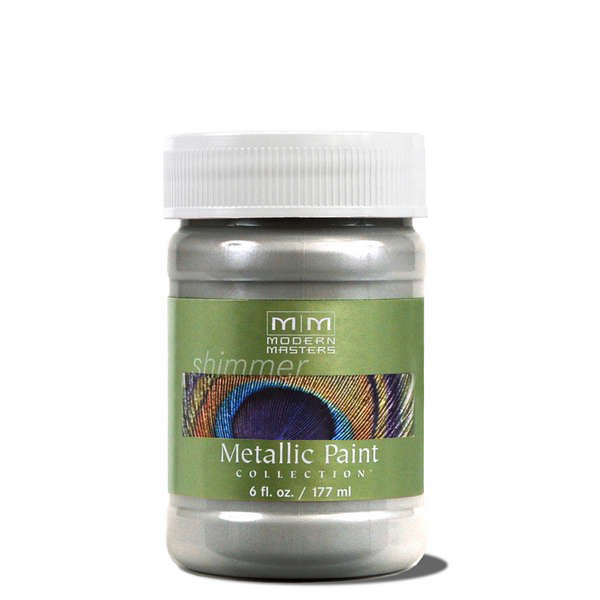
Modern Masters Silver, color code ME150, is part of the brand’s Metallic Paint Collection. In the satin line, it is sold in small sample-style containers, larger quart-size cans, and gallon sizes, which makes it flexible for both tiny decor projects and larger room upgrades. It is a water-based decorative metallic paint intended for properly primed, paintable interior surfaces such as walls, ceilings, columns, trim, doors, furniture, and paintable wallcoverings.
That matters because this is not just plain gray paint with a little sparkle sprinkled in for emotional support. Metallic paint behaves differently than standard wall paint. Light hits the finish, reflects off the metallic pigments, and creates movement across the surface. Depending on the time of day, your bulbs, and where you stand, the same wall can look softly silvery in the morning and moodier, deeper, and more architectural at night.
Another useful detail: in the collection, Silver is considered an opaque color. That typically means coverage is better than with the sheer or semi-opaque shades in the same line, and two coats are often enough for the look most people want. That said, this is still metallic paint, so “opaque” does not mean slap it on in a hurry and hope for miracles.
How Silver Actually Looks in a Space
The word silver can trigger very different mental images. Some people picture polished chrome. Others imagine weathered pewter, brushed nickel, or a glamorous Hollywood vanity. Modern Masters Silver usually lands in a more versatile middle zone. It reads as a cool metallic neutral with enough reflective quality to feel special, but not so much that it starts looking like a foil balloon had a career change.
That makes it surprisingly flexible in design. It can feel sleek and modern with black, white, charcoal, and glass. It can also soften into something more elegant with greige, navy, muted blue, smoky green, or creamy trim. If your space already has brushed nickel fixtures, chrome accents, mirror finishes, or cool gray upholstery, Silver tends to join the party without needing a dramatic introduction.
One important note for shoppers: Silver and Warm Silver are not the same color. If you want a cooler, cleaner metallic tone, Silver is the better fit. If you want a slightly warmer, softer metallic that leans more antique and less icy, Warm Silver is a separate option in the line.
Where Modern Masters Silver Works Best
Accent Walls
Silver works beautifully on a single focal wall, especially in dining rooms, powder rooms, entryways, bedrooms, and niches. Metallic paint is often most successful when it is used with purpose. One wall can add drama and depth. Four walls can look magnificent too, but only if the room has enough natural or layered light and the rest of the design is relatively disciplined. In a small dark room with clutter and one exhausted overhead bulb, silver metallic paint may not read “luxury.” It may read “confused spaceship.”
Furniture and Decorative Pieces
This is where many DIYers fall in love with the product. Silver can elevate side tables, dressers, mirror frames, trays, lamps, cabinets, and accent pieces. On furniture, the finish often feels more intentional because the metallic effect is concentrated on a smaller object. It can take a thrift-store find from “seen worse” to “where did you buy that?” in one weekend.
Trim, Doors, and Architectural Details
Used carefully, Silver can highlight molding, columns, built-ins, ceiling medallions, or a statement front-room door. Remodelista has described Silver as a shade that works as well on architectural details and objects as it does on a full wall, and that tracks with how many designers use metallics: not everywhere, but exactly where the eye should go.
Why Prep Matters More Than People Want It To
Metallic paint is honest. Sometimes brutally honest. It reflects light, which means it also reflects surface flaws, roller marks, rough patches, and old paint sins you thought were safely buried. If the surface is dirty, glossy, dusty, peeling, or uneven, Silver will not politely ignore that. It will highlight it with a little sparkle and a lot of regret.
Start with a surface that is clean, dry, and sound. Patch dents, sand rough areas, and remove flaking paint. If you are painting metal or glossy furniture, scuff sanding and proper priming are especially important for adhesion. General painting authorities such as This Old House, Sherwin-Williams, The Spruce, and Bob Vila all emphasize the same unglamorous truth: preparation is the difference between a finish that lasts and one that peels, chips, or looks tired before your takeout arrives.
Use the Right Primer
Modern Masters specifically recommends a Cool Tone Primer under Silver and Pewter metallic colors. This is not random brand drama. A cool gray-toned base helps the silver read cleaner and more uniform while also improving adhesion and consistency. On properly prepped surfaces, the right primer can make the topcoat look richer, smoother, and more believable.
If you skip this step, you may save time for about twenty minutes and then spend the rest of the project asking why your metallic paint looks uneven, thirsty, or weirdly patchy. The primer was not being dramatic. It was trying to help.
How to Apply Modern Masters Silver for the Best Finish
1. Make a Sample Board First
Before painting a full wall, test the paint on a board or in a low-visibility area. Modern Masters recommends testing in a small inconspicuous area and preparing a sample board before beginning. This is smart for two reasons: you can confirm the color under your lighting, and you can practice your technique before the main event.
2. Stir Thoroughly
Metallic pigments settle. If you do not mix the paint well, the finish can look inconsistent from section to section. Stir it thoroughly before and during use, especially on larger jobs.
3. Keep a Wet Edge
Metallic paint does not love indecision. Work in manageable sections and keep a wet edge so lap marks do not form. Modern Masters offers an Extender for Rolling specifically to lengthen open time, which helps reduce lapping and gives you more time to orient the metallic particles evenly.
4. Back-Roll in One Direction
This is one of the most important tricks. For larger wall applications, finish each section by lightly back-rolling in one consistent direction, usually from ceiling to floor. That helps align the metallic particles and creates a more uniform appearance. Without this step, you can end up with that classic metallic-paint problem: a wall that looks fine from one angle and zebra-striped from another.
5. Use the Right Tools
For brushing, use a quality brush intended for water-based paints. For rolling, the brand recommends its specialized metallic paint roller for larger surfaces, while smaller rollers can help with tight areas and cut-in zones. If you are spraying, follow the manufacturer’s guidance carefully. This paint is typically suited to HVLP or conventional cup gun application, not every spray setup under the sun.
6. Respect Dry Times
Under normal conditions, Modern Masters lists a recoat time of about 30 minutes and a dry-to-touch time of about 1 hour. Humidity and temperature can stretch that out, so do not force the issue. Paint has no respect for deadlines created by impatience and iced coffee.
Common Mistakes to Avoid
Skipping Surface Repairs
Dings, ridges, old brush marks, and rough patches become more visible under a metallic finish. Smooth first, thank yourself later.
Using the Wrong Primer Color
Silver performs best over a cool-toned base. Using a warm or random leftover primer can throw off the final look.
Overworking the Paint
Once the paint starts setting, too much fussing can create visible strokes and uneven sheen. Apply confidently, then leave it alone.
Expecting Flat Paint Behavior
Metallic paint is not ordinary wall paint with a shiny personality. It needs more attention to lighting, edge control, and final roller direction.
Choosing the Wrong Room
Silver metallic can be gorgeous in a room with layered light, good architecture, or a clear focal point. In a poorly lit room with lots of visual noise, it can feel more busy than beautiful. The paint is doing its job; the room may simply need a better plan.
Is Modern Masters Silver Worth It?
If your goal is a true decorative metallic effect, this paint is in a different category from ordinary silver-tinted wall paint. It is made for visual depth, shimmer, and a custom look. The finish can be subtle or dramatic depending on the application, but either way, it tends to look more elevated than a standard satin gray.
It is most worth it for homeowners, decorators, and DIYers who want one of three things: a serious accent wall, a furniture makeover with character, or a design detail that feels a bit more bespoke than what comes off the average shelf. It may be less worth it for someone who simply wants a cool gray wall and has no interest in special application technique. In that case, a conventional paint will be cheaper, faster, and less emotionally demanding.
What the Experience Is Really Like With Modern Masters Metallic Paint – Silver
Here is the part many product pages leave out: the experience of using silver metallic paint is a little bit like baking a fancy dessert for the first time. At first, you are optimistic. Then you are confused. Then you think you may have ruined everything. Then, suddenly, it starts looking fantastic and you become unbearably proud of yourself.
A typical project begins with excitement and mild overconfidence. The can looks promising. The color sample looks glamorous. You picture a refined silver wall catching the evening light while guests pretend not to be jealous. Then the first coat goes on, and it can look uneven. That is normal. Many people panic too early with metallic paint because the first pass rarely tells the whole story. The finish may look streaky, thin, or patchy at first, especially if the primer color underneath is still visually active. This is the moment when inexperienced painters start making “helpful” extra passes and accidentally create more texture than they wanted.
By the second coat, the transformation usually starts to happen. The silver reads more evenly, the shimmer becomes intentional, and the depth begins to show. On furniture, this moment can be especially satisfying. A plain side table suddenly looks like it belongs in a boutique hotel lobby. A tired mirror frame starts throwing light around the room. Even small projects can feel wildly rewarding because the change is so visible.
Lighting becomes part of the experience too. Silver metallic paint is one of those finishes that teaches you how much bulbs matter. Under cool daylight, it can look crisp and modern. Under warm lamps, it softens and feels more elegant. At night, the finish often becomes moodier and more dimensional. In other words, you do not just paint the object or wall once; you sort of keep rediscovering it throughout the day like a very shiny mood ring for grown-ups.
There is also a practical emotional arc. Prep feels annoying. Taping feels fussy. Waiting between coats feels unfair. But once the project is done, those slower steps make sense because metallic finishes reward discipline. People who rush often wind up with roller lines, visible patching, or an inconsistent sheen. People who prep well and work methodically usually get the result they were dreaming about from the beginning.
Another common experience is realizing that Silver works best when the room gives it a strong supporting cast. Against white trim, charcoal accents, mirror glass, black hardware, or navy textiles, it can look expensive and intentional. Against too many competing metallics or busy patterns, it can lose some of its elegance. The paint is stunning, but it still wants good styling. Think of it as a lead actor, not background scenery.
Perhaps the most interesting part of the experience is that the finish tends to feel more custom than trendy. A well-done silver metallic wall does not usually scream for attention in a tacky way. It catches the eye, changes with the light, and makes people walk a little closer. That is the sweet spot. Not “look at my paint.” More like “why does this room look so good?”
So yes, using Modern Masters Silver can involve a few nervous minutes, some careful rolling, and a surprising amount of staring at the wall from different angles. But when it works, it really works. And unlike some DIY wins that require elaborate explanations, this one usually earns the simplest and most satisfying reaction in home design: “Wow.”
Final Take
Modern Masters’ Metallic Paint – Silver is a strong choice if you want a cool-toned metallic finish that feels decorative, polished, and more sophisticated than novelty sparkle. It shines on accent walls, furniture, architectural details, and statement pieces. Its biggest strengths are its luminous look, its versatility in both modern and classic interiors, and the way it can make ordinary surfaces feel custom.
The catch is simple: this paint rewards good behavior. Prep the surface. Use the right primer. Work in sections. Keep a wet edge. Back-roll with intention. Do that, and Silver can deliver the kind of finish that makes a space feel layered, bright, and quietly luxurious. Skip those steps, and the paint will become a very expensive lesson in why instructions exist.
If you are after a decorative metallic that feels more elegant than gimmicky, Silver deserves a spot on your shortlist. Just do not treat it like bargain-bin wall paint. It has standards.