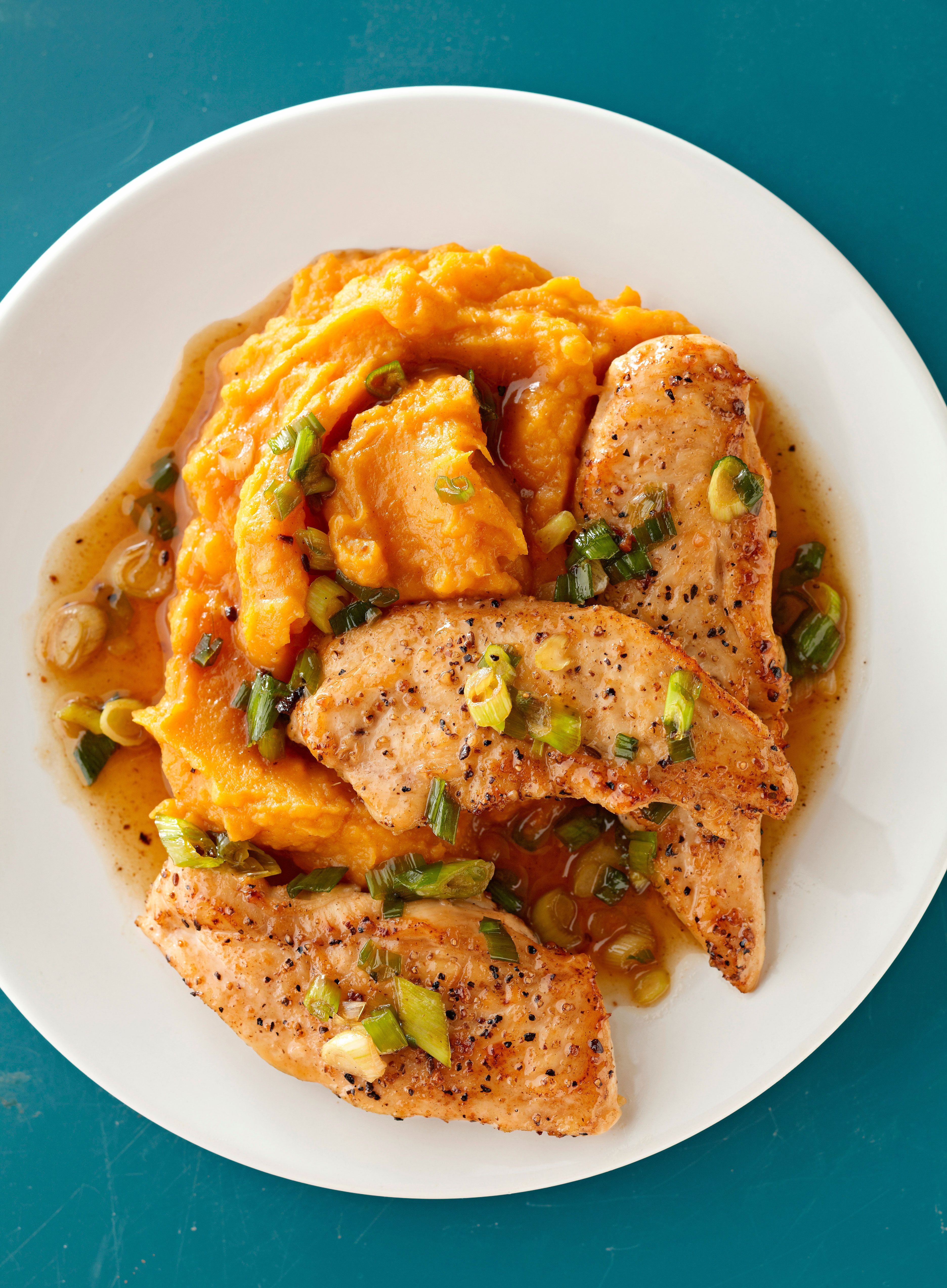
There are dinners that politely sit on the table, and then there are dinners that enter the room wearing a cozy sweater, smelling like fall, and somehow convincing everyone to put down their phones. This Maple-Glazed Chicken with Sweet Potatoes Recipe belongs firmly in the second category. It is sweet, savory, colorful, comforting, and wonderfully practicalthe kind of meal that looks like you tried harder than you actually did. We love that in a recipe. We support that lifestyle.
This dish brings together tender chicken, caramelized sweet potatoes, a glossy maple-Dijon glaze, garlic, herbs, and just enough acidity to keep the sweetness balanced. The result is a one-pan dinner that tastes like a Sunday supper but can still rescue a Tuesday night when everyone is hungry and the refrigerator is giving “please do something with me” energy.
The magic is in the balance. Pure maple syrup gives the glaze deep sweetness, Dijon mustard adds tang, apple cider vinegar brightens the sauce, and roasted sweet potatoes soak up the savory juices like tiny orange flavor sponges. Chicken thighs are especially good here because they stay juicy in the oven, but chicken breasts or tenders can also work with small timing adjustments.
Why This Maple-Glazed Chicken Recipe Works
A great maple chicken recipe is not just chicken with syrup poured on top. That would be breakfast confusion, and pancakes would have questions. The best version layers flavor carefully. Maple syrup browns beautifully in the oven, but it needs salt, acid, and savory ingredients to keep the dish from becoming too sweet. Dijon mustard and vinegar do exactly that, creating a glaze that tastes rich rather than sugary.
Sweet potatoes are the perfect partner because they roast into soft, caramelized pieces with crisp edges. Their natural sweetness echoes the maple glaze, while smoked paprika, garlic, pepper, thyme, and rosemary give the meal depth. The chicken releases juices as it cooks, coating the vegetables and making the entire sheet pan taste like it came from a cozy little bistro where the chef definitely owns a cast-iron skillet.
This recipe is also efficient. Everything cooks on one rimmed baking sheet, which means fewer dishes, easier cleanup, and more time for important evening activities, such as pretending you are only going to watch one episode of a show.
Ingredients for Maple-Glazed Chicken with Sweet Potatoes
For the Chicken and Vegetables
- 1 1/2 pounds boneless, skinless chicken thighs, or 4 bone-in chicken thighs
- 2 large sweet potatoes, peeled or scrubbed, cut into 1-inch cubes
- 1 medium red onion, cut into wedges
- 2 tablespoons olive oil
- 1 teaspoon kosher salt, divided
- 1/2 teaspoon black pepper
- 1 teaspoon smoked paprika
- 1/2 teaspoon garlic powder
- 1/2 teaspoon dried thyme
- 1/2 teaspoon dried rosemary, lightly crushed
- Optional: 2 cups Brussels sprouts, halved
- Optional garnish: chopped parsley, toasted pecans, or dried cranberries
For the Maple Glaze
- 1/4 cup pure maple syrup
- 1 tablespoon Dijon mustard
- 1 tablespoon apple cider vinegar
- 1 tablespoon low-sodium soy sauce or coconut aminos
- 2 cloves garlic, minced
- 1 tablespoon melted butter or olive oil
- 1/4 teaspoon crushed red pepper flakes, optional
- 1 teaspoon fresh lemon juice, optional but recommended
How to Make Maple-Glazed Chicken with Sweet Potatoes
Step 1: Preheat the Oven
Preheat your oven to 425°F. A hot oven is important because it helps the sweet potatoes brown instead of steam. Line a large rimmed baking sheet with parchment paper or foil for easier cleanup. If your baking sheet is small, use two pans. Crowding the pan is the fastest way to turn roasted vegetables into steamed vegetables, and steamed sweet potatoes are not the main character today.
Step 2: Season the Sweet Potatoes
Place the cubed sweet potatoes and red onion on the baking sheet. Drizzle with olive oil, then sprinkle with half the salt, pepper, smoked paprika, garlic powder, thyme, and rosemary. Toss until evenly coated. Spread the vegetables into a single layer so they have room to caramelize.
Step 3: Make the Maple Glaze
In a small bowl, whisk together maple syrup, Dijon mustard, apple cider vinegar, soy sauce, minced garlic, melted butter, red pepper flakes, and lemon juice. The glaze should taste sweet, tangy, salty, and slightly sharp. If it tastes a little intense in the bowl, good. It will mellow as it roasts with the chicken and vegetables.
Step 4: Add and Glaze the Chicken
Pat the chicken dry with paper towels. This small step helps the seasoning stick and encourages better browning. Place the chicken among the sweet potatoes, then season it with the remaining salt and a little extra black pepper. Brush or spoon about two-thirds of the maple glaze over the chicken. Save the rest for the final glaze near the end of cooking.
Step 5: Roast Until Tender and Golden
Roast for 25 to 35 minutes for boneless chicken thighs, or 35 to 45 minutes for bone-in thighs, depending on size. Stir the sweet potatoes halfway through cooking, but leave the chicken in place so it can brown. During the last 8 to 10 minutes, brush the remaining maple glaze over the chicken and return the pan to the oven.
Step 6: Check the Chicken Temperature
Chicken should reach an internal temperature of 165°F when measured with a food thermometer at the thickest part. This is the safest and most reliable way to know it is fully cooked. Visual clues are helpful, but a thermometer is the boss here. The sweet potatoes should be fork-tender with caramelized edges.
Step 7: Rest, Garnish, and Serve
Let the chicken rest for 5 minutes before serving. This helps the juices settle back into the meat instead of escaping onto the cutting board. Sprinkle with chopped parsley for freshness, toasted pecans for crunch, or dried cranberries for a festive sweet-tart finish.
Best Chicken Cuts to Use
Boneless, skinless chicken thighs are the easiest choice for this recipe. They cook relatively quickly, stay juicy, and absorb the maple glaze beautifully. Bone-in chicken thighs bring even more flavor and crispier edges, but they need extra time in the oven. Chicken breasts can work, but they should be watched carefully because they dry out faster. If using chicken breasts, choose pieces of similar size and begin checking their temperature around the 22-minute mark.
Chicken tenders are a great option for a faster weeknight version. Because they are smaller, add them after the sweet potatoes have roasted for about 15 minutes. This keeps the tenders from overcooking while giving the vegetables enough time to soften and caramelize.
Tips for the Best Maple Glaze
Use Pure Maple Syrup
For the richest flavor, use pure maple syrup rather than pancake syrup. Pancake syrup is usually corn-syrup based and does not have the same woodsy depth. Amber or dark maple syrup works especially well in savory cooking because the stronger flavor holds up against mustard, garlic, herbs, and roasted chicken.
Do Not Add All the Glaze Too Early
Maple syrup contains natural sugar, which means it can darken quickly in a hot oven. Adding most of the glaze at the beginning and saving some for the final minutes gives you flavor without burning the sauce. Think of it as giving the chicken a first coat and then a glossy finishing jacket.
Cut Sweet Potatoes Evenly
Uniform pieces cook at the same rate. Aim for 1-inch cubes or wedges. If some pieces are tiny and others look like orange doorstops, the small ones may burn before the large ones become tender.
Give Everything Space
Roasting requires air circulation. If the chicken and vegetables are piled on top of each other, they will steam. Use a large sheet pan or divide everything between two pans. A little space makes a big difference in texture.
Flavor Variations
Maple-Dijon Herb Chicken
Add extra fresh thyme, rosemary, and a teaspoon of whole-grain mustard to the glaze. This version tastes rustic, cozy, and slightly fancy without requiring fancy behavior.
Spicy Maple Chicken
Add 1/2 teaspoon cayenne pepper or 1 tablespoon chili crisp to the glaze. The heat balances the maple syrup and makes the dish especially good with a cooling side salad.
Maple-Orange Chicken
Replace the lemon juice with orange juice and add 1 teaspoon orange zest. The citrus makes the glaze brighter and pairs beautifully with sweet potatoes.
Harvest Sheet-Pan Dinner
Add Brussels sprouts, apple wedges, or carrots to the pan. Brussels sprouts bring a pleasant bitterness, apples soften into sweet-tart bites, and carrots add more color and natural sweetness.
What to Serve with Maple-Glazed Chicken
This chicken and sweet potatoes dinner can stand alone, but a few simple sides make it feel complete. A crisp green salad with apple slices and vinaigrette balances the richness. Steamed green beans, roasted broccoli, or sautéed kale add color and freshness. If you want a heartier meal, serve the chicken over brown rice, wild rice, quinoa, or couscous so every drop of maple glaze has somewhere delicious to land.
For a holiday-style dinner, pair the chicken with cranberry relish, cornbread, or a simple cabbage slaw. For a weeknight meal, keep it easy with bagged salad and call yourself organized. We do not judge. We applaud.
Storage and Reheating
Store leftovers in an airtight container in the refrigerator for up to 3 to 4 days. Reheat gently in a 350°F oven until warmed through, or microwave in short intervals. If the chicken looks dry, add a splash of chicken broth or water before reheating. The sweet potatoes may soften after storage, but their flavor becomes even deeper as they absorb the glaze.
You can also meal prep this recipe. Cut the sweet potatoes and whisk the glaze up to 24 hours ahead. Store them separately in the refrigerator. When it is time to cook, season the chicken, assemble the pan, and roast. Avoid marinating the sweet potatoes in the glaze too early because they can release moisture and become soft before roasting.
Common Mistakes to Avoid
Using Too Much Maple Syrup
More maple syrup does not always mean more flavor. Too much can make the dish overly sweet and sticky. The goal is a balanced glaze, not chicken candy.
Skipping the Acid
Apple cider vinegar or lemon juice keeps the glaze lively. Without acid, the sauce can taste flat. Just one tablespoon can make the entire dish brighter.
Forgetting to Pat the Chicken Dry
Moisture on the surface of chicken can prevent browning. A quick pat with paper towels helps the seasoning and glaze cling better.
Not Checking the Internal Temperature
Cooking time is a guide, not a guarantee. Chicken thickness, oven accuracy, and pan size all affect timing. Use a thermometer and cook chicken to 165°F for safety.
Frequently Asked Questions
Can I use chicken breasts instead of thighs?
Yes. Chicken breasts work well, but they cook faster and can dry out. Use medium-size breasts, pound them to an even thickness if needed, and start checking for doneness earlier.
Can I make this recipe ahead of time?
You can prep the glaze and vegetables ahead, but the dish tastes best freshly roasted. For meal prep, cook the full recipe and store individual portions for quick lunches or dinners.
Can I make it dairy-free?
Yes. Use olive oil instead of butter in the glaze. The sauce will still be glossy and flavorful.
Can I add more vegetables?
Absolutely. Brussels sprouts, carrots, parsnips, red onions, and broccoli all work well. Cut firmer vegetables smaller so they cook at the same pace as the sweet potatoes.
Is this recipe gluten-free?
It can be. Use gluten-free tamari or coconut aminos instead of regular soy sauce, and check labels on all packaged ingredients.
My Kitchen Experience with Maple-Glazed Chicken and Sweet Potatoes
The first time I made maple-glazed chicken with sweet potatoes, I expected it to be good. I did not expect the pan to look like it had been professionally styled by autumn itself. The sweet potatoes came out bronzed and tender, the chicken had a shiny glaze that made it look dinner-party ready, and the whole kitchen smelled like maple, garlic, and roasted herbs. It was the kind of aroma that makes people wander in and ask, “What are you making?” even though they were definitely not planning to help.
What I learned quickly is that this recipe rewards patience in small ways. Giving the sweet potatoes enough room on the pan makes a huge difference. When I crowded them, they softened but did not caramelize. When I spread them out, they developed those golden edges that taste almost buttery, even before you add the glaze. That little bit of browning turns the dish from “nice chicken dinner” into “please make this again.”
The glaze also taught me a useful lesson: sweetness needs structure. Maple syrup on its own is delicious, but once you add Dijon mustard, vinegar, soy sauce, and garlic, it becomes something more interesting. It clings to the chicken, mingles with the pan juices, and lightly coats the vegetables. The flavor is cozy but not heavy, sweet but not dessert-like, and savory enough that nobody at the table wonders whether waffles are involved.
This recipe has become one of those reliable meals I turn to when I want dinner to feel special without making the evening complicated. It works for family dinners, casual guests, meal prep, and even quiet nights when you just want something warm and satisfying. It also adapts well to whatever is in the fridge. I have added Brussels sprouts when I wanted more greens, apple wedges when I wanted a sweeter fall flavor, and pecans when I wanted crunch. Every version had its own personality, but the maple-glazed chicken and sweet potatoes remained the heart of the meal.
Another experience worth sharing: leftovers are excellent. The next day, the chicken slices beautifully over salad, rice bowls, or wraps. The sweet potatoes become softer, but their flavor deepens, especially if you reheat them in a skillet or oven. Add a handful of greens, a spoonful of Greek yogurt or sour cream, and a squeeze of lemon, and suddenly yesterday’s dinner becomes today’s very respectable lunch. Leftovers that do not feel like punishment are a gift.
Most of all, this recipe proves that comfort food does not have to be fussy. You do not need a dozen pans, rare ingredients, or restaurant-level timing. You need a hot oven, a balanced glaze, evenly cut sweet potatoes, and chicken cooked properly. The final dish feels generous and homey, with just enough elegance to make a normal night feel a little more intentional. And honestly, any dinner that can do that while leaving only one sheet pan behind deserves a permanent place in the rotation.
Conclusion
Maple-Glazed Chicken with Sweet Potatoes is the kind of recipe that checks every box: easy, flavorful, colorful, family-friendly, and practical enough for busy weeknights. The maple glaze brings warmth, the Dijon and vinegar add balance, and the roasted sweet potatoes turn tender and caramelized in the oven. With a few smart techniquesusing pure maple syrup, spacing the ingredients properly, saving glaze for the end, and checking the chicken temperatureyou can make a dinner that tastes polished without feeling complicated.
Whether you serve it straight from the sheet pan, dress it up with herbs and pecans, or pack the leftovers for lunch, this recipe delivers comfort with very little drama. And on a busy night, low drama is basically a secret ingredient.