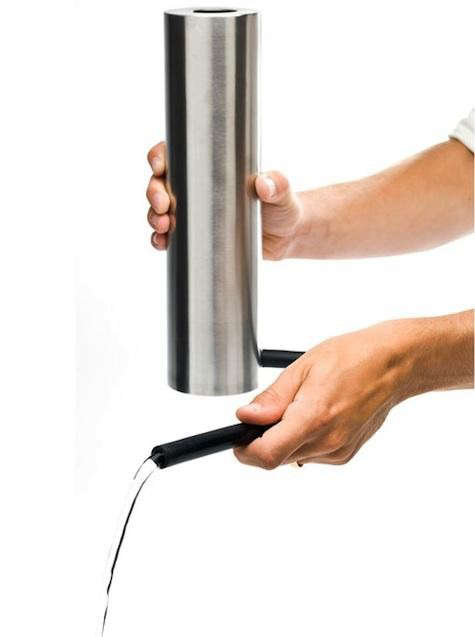
Some household objects quietly do their jobs. Others walk into the room, clear their throat, and make everyone ask, “Wait, is that a watering can or modern art?” Born In Sweden’s watering can belongs firmly in the second group. It is not the dusty green plastic jug hiding behind the garage door. It is a Scandinavian design object with enough confidence to sit beside your favorite ceramic planter, your reading chair, or the sunny kitchen window where your basil keeps pretending it is thriving.
The Born In Sweden watering can is best known for its minimalist look, clever engineering, and surprisingly emotional effect on plant owners. Designed by Pascal Charmolu, it turns a basic gardening tool into something sculptural, practical, and display-worthy. The famous indoor model holds 1.5 liters and uses a stainless-steel cylindrical body with a flexible silicone hose that attaches magnetically when not in use. The larger garden version, meanwhile, holds 7.5 liters and offers both a pouring function and a shower-style watering option.
That combination of beauty and usefulness is exactly why the product has earned attention among design lovers, houseplant collectors, and people who believe even a watering can should have a decent outfit. In this guide, we will explore what makes Born In Sweden’s watering can special, how it works, who it is best for, how to use it properly, and why it remains one of the most memorable examples of modern Scandinavian home design.
What Is Born In Sweden’s Watering Can?
Born In Sweden’s watering can is a designer watering tool created for people who care about both plant health and home aesthetics. The indoor 1.5-liter version is the most recognizable model. Instead of using a traditional long rigid spout, it features a clean metal cylinder paired with a soft silicone hose. When you are not watering, the hose stays attached to the body with a magnet, keeping the silhouette neat and compact.
At first glance, it looks almost too simple. There is no bulky handle, no giant sprinkler head, and no cartoonish garden shape. But that simplicity is the point. The watering can follows a central idea of Scandinavian design: remove everything unnecessary, then make what remains work beautifully.
The larger 7.5-liter garden watering can takes a different approach. It is made for outdoor spaces, balconies, patios, and bigger plant collections. It has an ergonomic handle underneath and can be tilted one way for a steady pour or another way for a shower effect. When it is standing still, it looks less like a tool and more like a small sculpture that accidentally happens to hydrate your hydrangeas.
Why This Watering Can Became a Design Favorite
The Born In Sweden watering can became popular because it solved a real problem without looking like it was trying too hard. Traditional watering cans can be awkward indoors. Long spouts bump into shelves. Wide bodies take up storage space. Cheap plastic versions often look out of place in a carefully styled living room. And when you are watering small pots, one wrong tilt can turn plant care into a tiny indoor flood event.
The 1.5-liter model answers those frustrations with a flexible hose. The user holds the metal body in one hand and directs the hose with the other. The water flow starts when the cylinder is positioned correctly and stops when you lift or adjust it. That gives you better control around tight shelves, delicate leaves, and small pots.
It also looks good enough to leave out. This matters more than people admit. A beautiful watering can encourages regular plant care because it stays visible. If your watering can is hidden in a cabinet behind three mystery cables and a holiday candle from 2017, your pothos may not see water until it starts writing a dramatic farewell letter. A display-worthy tool becomes part of the room and part of the routine.
Key Features of the Born In Sweden Watering Can
1. Minimalist Scandinavian Design
The Born In Sweden watering can has a clean, restrained shape. The indoor version is tall and cylindrical, with a polished or brushed stainless-steel look depending on the finish. It avoids decorative clutter and focuses on proportion, texture, and function. This makes it easy to pair with modern interiors, rustic shelves, Scandinavian-inspired rooms, and even eclectic plant corners.
2. Flexible Silicone Hose
The flexible silicone hose is the feature that makes the 1.5-liter model truly distinctive. It helps guide water more precisely than many traditional spouts. This is especially useful for indoor plants where the goal is to water the soil, not the coffee table, the windowsill, or your cat’s suspiciously expensive nap spot.
3. Magnetic Attachment
When watering is finished, the hose attaches to the stainless-steel body with a built-in magnet. This keeps the can visually tidy and prevents the hose from flopping around. It is a small detail, but small details are where good design either shines or trips over its own shoelaces.
4. Practical Capacity
The 1.5-liter capacity is ideal for houseplants, herbs, small balcony planters, and desk plants. It is large enough to handle several indoor pots but not so heavy that it feels like a gym workout. For larger outdoor spaces, the 7.5-liter garden version reduces trips back to the faucet and works well for patios, container gardens, and thirsty summer plants.
5. Display-Worthy Form
One of the product’s biggest strengths is that it does not need to be hidden. It can sit on a shelf, windowsill, plant stand, or patio table and still look intentional. In a home where every square foot counts, objects that combine utility and decoration earn their keep.
How to Use Born In Sweden’s Watering Can
Using the indoor Born In Sweden watering can is simple, but the experience feels different from using a typical jug. Fill the stainless-steel body with clean water, preferably room-temperature water for most houseplants. Hold the cylinder securely and guide the silicone hose toward the base of the plant. Adjust the angle of the can to start or stop the flow.
The key is to water slowly and directly onto the potting mix. Most houseplants prefer thorough watering when they actually need it, rather than tiny daily sips. A good rule is to check the soil before watering. If the top inch feels dry for many common houseplants, it may be time to water. However, plant type matters. Succulents like to dry out more. Ferns and tropical plants often prefer more consistent moisture. Your cactus and your calathea are not reading from the same script.
For containers with drainage holes, water until moisture begins to drain from the bottom, then empty any saucer after the excess has collected. Letting pots sit in standing water can contribute to root problems. The Born In Sweden watering can helps with this because the hose can direct water to the soil surface instead of splashing leaves or flooding the rim of the pot.
Indoor Plants That Pair Well With This Watering Can
The 1.5-liter Born In Sweden watering can is especially useful for indoor plant collections with medium and small pots. It is a smart match for pothos, philodendron, peace lily, spider plant, snake plant, ZZ plant, herbs, small palms, and windowsill planters. Its precise flow is also helpful for watering plants on shelves, where a wide-spout can might be as graceful as a moose in a teacup shop.
For delicate plants, the hose lets you get close to the soil without soaking sensitive leaves. African violets, for example, are often happier when water is kept away from their fuzzy foliage. For trailing plants, the hose can slip between vines without requiring you to lift the entire pot. For herbs, it gives you control around crowded stems.
The larger 7.5-liter version is better suited to balcony tomatoes, patio flowers, container vegetables, outdoor herbs, and decorative planters. Its dual watering style makes it practical for different plant needs. A steady pour works well for larger containers, while a shower function can gently distribute water over broader surfaces.
Design Analysis: Why It Feels So Scandinavian
Scandinavian design is often described as simple, functional, honest, and human-centered. Born In Sweden’s watering can fits that description well. It does not decorate the act of watering plants with unnecessary ornament. Instead, it studies the behavior: fill, carry, aim, pour, stop, store. Then it improves the experience through form and material.
The indoor can’s cylinder is visually calm. The silicone hose adds playfulness without making the design childish. The magnet solves storage elegantly. The result is an object that looks minimal but feels surprisingly clever in the hand.
This is the kind of product that reminds us design is not only about appearance. A watering can can be beautiful, yes, but it also needs to pour without causing a domestic water incident. It needs to feel manageable. It needs to fit into daily life. The Born In Sweden model succeeds because its beauty grows from the way it works.
Is Born In Sweden’s Watering Can Worth It?
Whether the Born In Sweden watering can is worth buying depends on what you value. If you simply need the cheapest way to move water from sink to plant, a basic plastic watering can will do the job. Plants are famously not brand-conscious. A fern will not whisper, “Is that stainless steel?”
But if you want a watering can that improves the look of your space, feels pleasant to use, and offers better control for indoor watering, Born In Sweden’s design makes a strong case for itself. It is especially appealing for apartment dwellers, design collectors, houseplant enthusiasts, and gift buyers who want something more memorable than another generic planter.
The indoor model is also a good choice for people who forget to water because their tools are hidden away. A beautiful object placed near the plants acts as a visual reminder. It says, politely but firmly, “The monstera is thirsty, and no, coffee does not count.”
Care and Maintenance Tips
To keep the Born In Sweden watering can looking its best, empty it after use rather than storing water inside for long periods. Standing water can leave mineral deposits, encourage residue, or make the can less pleasant to use over time. Wipe the exterior with a soft cloth and wash by hand when needed.
Avoid abrasive scrubbers on stainless-steel finishes because they can scratch the surface. If you use tap water with high mineral content, occasional gentle cleaning may help prevent buildup around the hose or opening. The silicone hose should also be kept clean, especially if you use collected rainwater or water mixed with plant food.
For the garden version, rinse after outdoor use and store it where it will not collect debris. If you live in a freezing climate, do not leave water inside during cold weather. Expanding ice is not known for respecting designer objects.
How It Compares With a Traditional Watering Can
A traditional watering can usually has a fixed handle, a rigid spout, and sometimes a removable rose for shower-style watering. That design works well in gardens, but it can feel clumsy indoors. The Born In Sweden 1.5-liter can is more compact and controlled. It is better for precision watering and display, while a traditional can may be better for heavy-duty outdoor use.
The large Born In Sweden garden can competes more directly with outdoor watering cans. Its advantage is its sculptural form and dual watering function. Its downside may be that design-forward products often cost more than basic garden tools. So the decision comes down to priorities: pure utility, visual impact, or a balance of both.
Buying Tips: Who Should Choose Which Version?
Choose the 1.5-liter Born In Sweden watering can if your main focus is indoor plants, herbs, small planters, or stylish display. It is best for people who want precision and appreciate the stainless-steel and silicone construction. It also makes a thoughtful gift for new homeowners, plant lovers, design fans, and anyone who has reached the “my plants need accessories” stage of adulthood.
Choose the 7.5-liter garden watering can if you have larger containers, patio plants, balcony gardens, or outdoor flowers. The bigger capacity saves time, and the two watering functions make it more flexible for different plant types. It is a more practical option for someone who waters multiple outdoor pots every day during warm weather.
If you have both indoor and outdoor plants, the honest answer is that you may want both. This is how plant care gets you. First you buy one pothos. Then you buy a nice watering can. Then suddenly you are comparing humidity trays at midnight. Nature is healing, but your shopping cart is not.
Experience Notes: Living With Born In Sweden’s Watering Can
Using Born In Sweden’s watering can changes the small ritual of plant care. That may sound dramatic for an object whose main job is “hold water, release water,” but daily tools shape daily habits. A well-designed watering can makes the task slower in a good way. You pay attention. You check the soil. You guide the hose. You notice which plants are growing, which leaves are yellowing, and which one has been silently judging you from the windowsill.
The indoor model feels especially satisfying in apartments and small homes. Because it is narrow and attractive, it can live near the plants rather than under the sink. This makes watering feel less like a chore and more like part of the room’s rhythm. The magnetic hose is also more useful than it first appears. Without it, a flexible hose could look messy. With it, the can returns to its tidy sculptural shape after every use.
One practical experience is that the hose makes watering shelf plants easier. Many houseplant owners place plants on bookcases, floating shelves, plant ladders, and windowsills. A normal watering can often requires awkward angles. The Born In Sweden design lets you approach the soil more directly. That means fewer spills and less leaf splash. It is not magic, of course. You still need to pay attention. But it gives you more control, and control is wonderful when water and hardwood floors are in the same sentence.
Another experience is that the can encourages mindful watering. Instead of dumping water quickly, the flexible spout invites a slower pour. This works well with common houseplant advice: water thoroughly when needed, but do not water blindly on a rigid schedule. With the Born In Sweden can, the process naturally becomes more deliberate. You check the plant, aim at the soil, pour, pause, and move to the next pot.
There is also the emotional side of owning a beautiful tool. A cheap plastic can may work fine, but it rarely sparks joy. Born In Sweden’s watering can feels like a small upgrade to an ordinary routine. It says that everyday tasks deserve good design. It makes the plant corner look more finished. Guests may ask about it. You may pretend to be casual and say, “Oh, that? Just my watering can,” while secretly enjoying the fact that your watering can has main-character energy.
The larger garden version offers a different experience. It is less delicate and more about efficiency. A 7.5-liter capacity is helpful when watering outdoor containers, especially in warm weather when pots dry quickly. The smart handle underneath helps with control, and the ability to switch between pouring and showering gives it more range. For patio gardeners, that means one tool can handle a thirsty tomato plant, a row of herbs, and a decorative flower pot without making the watering routine feel like a wrestling match.
The main thing to remember is that good watering still depends on good judgment. No watering can, no matter how stylish, can tell you exactly when your plant is thirsty. Soil type, pot size, light, humidity, season, and plant species all matter. The Born In Sweden watering can is best understood as a tool that makes good habits easier. It helps you water more accurately, store more beautifully, and enjoy the process a little more.
In everyday use, that combination matters. Plant care is built from small repeated actions. A tool that makes those actions smoother can help turn plant ownership from a guilt-based guessing game into a calm ritual. And if that ritual happens to involve a stainless-steel Scandinavian watering can that looks like it belongs in a design museum, well, your fern probably will not complain.
Conclusion: A Watering Can With Personality and Purpose
Born In Sweden’s watering can proves that even the most ordinary household tool can become extraordinary when design pays attention to real life. The 1.5-liter indoor model is elegant, precise, and compact, with a flexible magnetic silicone hose that makes watering houseplants easier and cleaner. The 7.5-liter garden version brings the same design-minded attitude outdoors, offering generous capacity and two watering styles for larger plant collections.
It is not the cheapest watering can, and it is not trying to be. It is for people who want useful objects to look good, feel good, and earn their place in the home. For plant lovers, design fans, and anyone tired of hiding ugly garden tools, Born In Sweden’s watering can is a charming reminder that practical things can still have personality.
Note: This article is prepared for web publishing in clean HTML body format. It contains no source-link markup, no citation placeholders, and no unnecessary publishing artifacts.