A broken bone is rarely convenient. One moment you are walking, working, exercising, or confidently pretending the step stool is perfectly stable; the next, an X-ray is introducing you to words such as “displaced,” “unstable,” and “comminuted.” When a fracture cannot be held in a safe position with a splint or cast alone, a surgeon may recommend open reduction internal fixation surgery, commonly called ORIF surgery.
ORIF allows an orthopedic surgeon to reposition broken bone fragments and secure them with implants such as plates, screws, rods, nails, pins, or wires. The goal is not simply to make the X-ray look tidier. Correct alignment helps the bone heal in a useful position, protects joint function, and may allow rehabilitation to begin sooner than it could with an unstable fracture.
This guide explains why ORIF is performed, what happens during the operation, how long recovery may take, which complications to watch for, and what day-to-day healing can realistically feel like.
What Is Open Reduction Internal Fixation Surgery?
The name describes the two main parts of the procedure:
Open reduction
“Open” means the surgeon makes an incision to reach the fracture. It does not necessarily mean the original injury was an open or compound fracture. “Reduction” means moving the broken pieces back toward their normal anatomical alignment.
Internal fixation
Once the fragments are positioned, the surgeon stabilizes them with hardware placed inside the body. The hardware acts like an internal construction crew, although thankfully without blocking the driveway or starting work at 6:30 a.m.
Internal fixation devices may include:
- Plates attached to the surface of a bone with screws
- Screws used alone or with other implants
- Intramedullary rods or nails placed inside the hollow center of a long bone
- Pins or wires used for smaller bones or specific fracture patterns
- Specialized fixation systems designed for a particular joint or anatomical area
The chosen device depends on the bone involved, the number and shape of the fragments, the condition of nearby soft tissues, bone quality, and whether the fracture extends into a joint.
Why Might Someone Need ORIF?
Many fractures heal successfully with a cast, brace, splint, or closed reduction, in which the bone is repositioned without surgically opening the area. ORIF is generally considered when nonsurgical treatment is unlikely to keep the fracture adequately aligned or stable.
A surgeon may recommend ORIF for:
- A displaced fracture whose pieces have moved out of position
- An unstable fracture that will not remain aligned in a cast
- A fracture involving a joint surface
- A bone broken into several pieces
- An open fracture in which the skin has been disrupted
- A fracture associated with damage to nerves or blood vessels
- A fracture that failed to heal correctly after earlier treatment
- Certain fractures of the ankle, wrist, elbow, forearm, femur, tibia, pelvis, collarbone, or foot
Open fractures may require urgent cleaning and removal of contaminated or damaged tissue. Definitive internal fixation may be completed during the initial operation or delayed until swelling and soft-tissue conditions are safer.
How Doctors Plan the Operation
Before surgery, the orthopedic team evaluates more than the visible break. Standard X-rays reveal alignment and fracture pattern, while a CT scan may be used when the injury involves a complex joint or multiple fragments. Blood flow, sensation, skin condition, swelling, and other injuries are also assessed.
Some fractures require prompt surgery. Others are temporarily immobilized while swelling decreases. Waiting can feel frustrating when your limb resembles an overstuffed sofa cushion, but operating through severely swollen tissue may increase wound-related risks.
Preparation may include:
- Reviewing prescription drugs, over-the-counter medicines, vitamins, and supplements
- Discussing blood thinners and medications that affect bleeding
- Following individualized eating and drinking restrictions before anesthesia
- Completing blood tests, an electrocardiogram, or other health checks when appropriate
- Arranging transportation and assistance at home
- Preparing crutches, a walker, sling, shower chair, or other recommended equipment
- Discussing nicotine use, diabetes, heart or lung conditions, and previous anesthesia problems
Smoking and nicotine exposure can interfere with bone and wound healing and are associated with a higher risk of orthopedic surgical complications. Patients should tell the surgical team about all nicotine products rather than quietly hoping a vape somehow does not count. It counts.
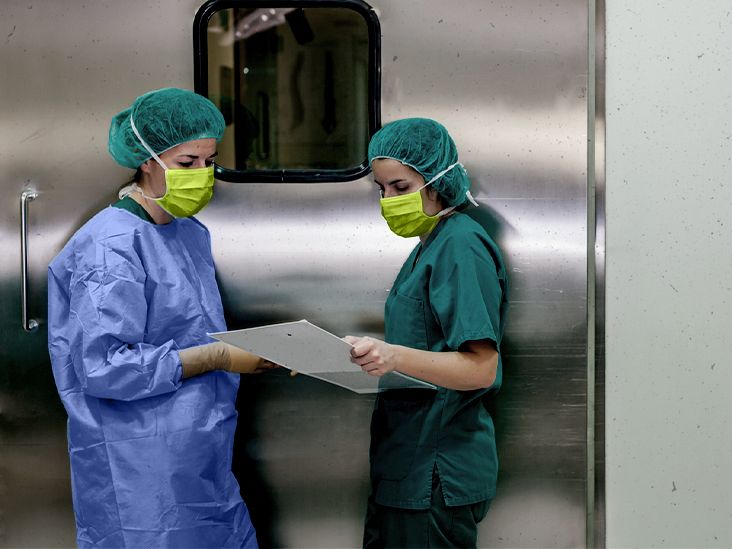
What Happens During ORIF Surgery?
The exact procedure varies according to the location and complexity of the fracture, but the operation usually follows several broad steps.
1. Anesthesia is administered
Many ORIF procedures use general anesthesia. Depending on the injury, the anesthesia team may also use a regional nerve block to numb an arm or leg. Monitoring continues throughout the operation.
2. The surgeon reaches the fracture
An incision is made near the broken bone. Muscles, tendons, nerves, and blood vessels are carefully identified and protected. Any damaged or contaminated tissue may be cleaned when necessary.
3. The bone fragments are reduced
The surgeon places the fragments into the best achievable alignment. Temporary clamps or wires may hold them while positioning is checked. Real-time imaging can help confirm length, rotation, alignment, and hardware placement.
4. Internal fixation is installed
Plates, screws, nails, rods, pins, or wires are selected to stabilize the particular fracture. A long-bone fracture may be supported with a rod inside the bone, while a fracture near a joint may require a shaped plate and multiple screws.
5. The incision is closed
The surgical area is irrigated, and the tissues and skin are closed. A dressing is applied, followed by a splint, brace, sling, or cast when needed.
ORIF may take one or several hours. Procedure length depends on the fracture, associated injuries, surgical approach, and whether bone grafting or additional repairs are required.
What to Expect Immediately After Surgery
After the operation, the recovery team monitors breathing, circulation, pain, nausea, and alertness. The affected limb may remain numb or heavy for several hours if a nerve block was used.
Swelling and discomfort are normal during early recovery. Elevation may reduce swelling when appropriate, but the surgical team should explain the correct position. Patients should not place pillows or pressure directly where doing so could compromise the repair.
Some people go home the same day, while others stay in the hospital. The decision depends on the fracture, pain control, mobility, medical conditions, and whether other injuries are present. Hospital stay and overall recovery can vary considerably even among people who had surgery on the same bone.
ORIF Recovery and Rehabilitation
Recovery is not one dramatic leap from hospital gown to marathon finish line. It is a series of smaller milestones: sleeping for a few uninterrupted hours, managing the bathroom safely, bending a joint a little farther, or discovering that putting on socks can qualify as a tactical operation.
Protecting the repair
Patients may be instructed to avoid weight-bearing, use only partial weight, or move as tolerated. These terms are not interchangeable. Putting weight on the limb earlier than permitted can shift the fracture or overload the hardware.
Restrictions also apply to upper-extremity fractures. A patient may be allowed to move the fingers, wrist, or elbow but prohibited from lifting, pushing, pulling, or using the arm to rise from a chair.
Wound and dressing care
The incision should be kept clean and protected according to the surgeon’s instructions. Patients should not soak the wound in a bath, pool, or hot tub until it has healed and the surgeon approves. Dressings, splints, and casts should not be removed or modified unless the care team says to do so.
Physical or occupational therapy
Rehabilitation may begin with safe transfers, walking aids, swelling control, or gentle range-of-motion exercises. Later therapy focuses on flexibility, strength, balance, coordination, and return to normal activity.
Moving too little can contribute to stiffness and weakness, but doing too much can irritate tissues or threaten the repair. The ideal program is therefore neither “lie perfectly still forever” nor “test it with a spontaneous game of basketball.”
Some shoulder-fracture patients, for example, require a sling for several weeks and may need six to nine months for fuller recovery. Other fractures follow very different schedules, demonstrating why generalized online timelines should never overrule individualized instructions.
Follow-up imaging
Scheduled X-rays help the surgeon determine whether alignment is being maintained and new bone is forming. Permission to bear weight, lift objects, drive, return to work, or resume sports is based on more than the calendar. It also depends on examination findings, imaging, pain, strength, coordination, and the demands of the activity.
How Long Does ORIF Recovery Take?
Many fractures need at least several weeks to develop meaningful healing, but complete recovery may take several months or longer. Larger bones, joint injuries, severe soft-tissue damage, infection, poor circulation, osteoporosis, diabetes, nicotine exposure, and highly fragmented fractures can extend the timeline.
Healing also has several meanings. An X-ray may show enough bone healing to increase activity before strength, balance, endurance, and confidence have fully returned. Conversely, pain may improve before the fracture is strong enough for unrestricted activity.
A desk worker with a repaired wrist may return to modified duties sooner than a construction worker who must climb, carry, and operate machinery. A patient should obtain specific clearance before driving, especially while using a sling, cast, narcotic pain medication, or weight-bearing restrictions.
Risks and Possible Complications
ORIF is commonly performed, but it remains major surgery. General and fracture-specific complications may include:
- Infection
- Bleeding or hematoma
- Blood-vessel or nerve injury
- Blood clots in a deep vein
- Pulmonary embolism
- Anesthesia-related complications
- Wound-healing problems
- Joint stiffness or reduced range of motion
- Hardware irritation, loosening, breakage, or prominence
- Loss of fracture alignment
- Delayed union, nonunion, or malunion
- Post-traumatic arthritis when a joint surface is damaged
- Need for additional surgery
Infections after fractures are uncommon but can prolong treatment and may require antibiotics, surgical cleaning, or hardware-related decisions. Fractures, immobility, and lower-extremity operations can also increase the risk of deep vein thrombosis. Preventive measures may include early approved movement, compression devices, or medication based on the patient’s individual risk.
A nonunion occurs when a fracture does not unite as expected, while a malunion means it healed in an incorrect position. Treatment may involve renewed stabilization, removal of unhealthy tissue, bone grafting, or correction of alignment.
When to Contact the Surgical Team
Patients should follow the discharge instructions provided by their own hospital. In general, prompt medical advice is appropriate for:
- Increasing redness, warmth, or swelling around the incision
- Pus, foul-smelling fluid, or persistent drainage
- Fever or shaking chills
- Pain that is suddenly worse or not controlled as expected
- New numbness, weakness, or inability to move fingers or toes
- A cast or splint that feels dangerously tight
- Fingers or toes that become pale, blue, unusually cold, or severely swollen
- Calf pain, tenderness, or one-sided leg swelling
- New wound separation
Chest pain, sudden shortness of breath, coughing blood, fainting, or severe breathing difficulty requires emergency care. These symptoms may signal a pulmonary embolism or another serious complication.
Does ORIF Hardware Have to Be Removed?
Plates, screws, and rods are frequently left in place after the bone heals. Routine removal is not always necessary or desirable because removal requires another operation and carries its own risks.
Hardware may be considered for removal when it causes persistent irritation, interferes with tendons or joint movement, becomes infected, loosens, breaks, or was intentionally placed across a joint for temporary stabilization. Certain foot and midfoot repairs are examples in which planned removal may be discussed because the hardware crosses normally mobile joints.
The surgeon usually wants convincing evidence that the fracture has healed before removing structural hardware. Even then, the bone may temporarily be more vulnerable around previous screw holes, so activity restrictions may continue after removal.
Practical Experiences During ORIF Recovery
The following composite examples reflect common recovery challenges described in orthopedic care. They are educational scenarios rather than individual testimonials, and no two patients should expect identical results.
The first few days: logistics become surprisingly important
A patient recovering from ankle ORIF may discover that the biggest early challenge is not the incision itself but getting safely from the bed to the bathroom while keeping weight off the operated leg. A backpack or cross-body bag can make it easier to carry a phone, medication list, and water while using crutches. Meals prepared in advance and commonly used objects placed between waist and shoulder height can reduce unnecessary bending and balancing.
Swelling often becomes more noticeable when the limb hangs downward. Patients may therefore organize the day around short periods of movement followed by approved elevation. This does not mean complete immobility. The care team may encourage toe movement, finger movement, breathing exercises, or short assisted walks, depending on the injury.
The second week: feeling better can create new temptations
As pain improves, a patient may feel ready to “just test” the repaired limb. This is a classic recovery trap. Hardware stabilizes the fracture, but it does not instantly transform newly repaired bone into reinforced concrete. Weight-bearing and lifting limits still matter when discomfort is mild.
Another common experience is concern about bruising, swelling, numb skin near the incision, or unfamiliar sensations around the hardware. Some postoperative changes are expected, while others require evaluation. Photographing the incision only when the team permits dressing removal may help a patient identify a trend, but a photo cannot determine whether an infection or circulation problem is present.
The rehabilitation phase: progress is rarely perfectly linear
During therapy, improvement may come in uneven steps. A patient can gain motion for several days, have a swollen or stiff afternoon after a busier session, and then improve again. Temporary soreness does not automatically mean the repair has failed, but sharp pain, a new deformity, a fall, or a sudden loss of function should be reported.
Upper-extremity patients often underestimate how many activities involve pushing or pulling. Opening a heavy door, lifting a full saucepan, carrying a child, and using the arm to get out of bed may all violate restrictions. Lower-extremity patients face a different collection of puzzles: stairs, showers, slippery floors, pets that believe crutches are interactive toys, and chairs that are much lower than they appeared before surgery.
Returning to normal life: confidence may lag behind bone healing
Even after imaging looks reassuring, patients may feel hesitant on stairs, uneven ground, or crowded sidewalks. This is understandable after an injury that occurred suddenly. Gradual exposure, appropriate therapy, and objective strength or balance goals can help rebuild trust in the repaired limb.
Returning to work also depends on the actual job rather than the job title. An office employee may still need accommodations for elevation, transportation, typing, or fatigue. A warehouse employee may need restrictions on climbing, lifting, standing, and operating equipment. Clear written limitations reduce the likelihood that “light duty” mysteriously turns into carrying a refrigerator by lunchtime.
Perhaps the most useful recovery experience is learning to measure progress in weeks rather than hours. Healing may feel slow from one morning to the next, yet substantial changes often become obvious when comparing mobility, sleep, swelling, and independence over several weeks.
Questions to Ask Your Orthopedic Surgeon
- Why is ORIF preferable to nonsurgical treatment for my fracture?
- Which implants will be used?
- When can I move the nearby joints?
- How much weight may I place on the limb?
- How should I care for the incision, dressing, cast, or splint?
- What symptoms should make me call the office or seek emergency care?
- When will physical or occupational therapy begin?
- When might I return to driving, work, lifting, or sports?
- Is hardware removal likely in my case?
- Should this fracture prompt an evaluation for osteoporosis or poor bone health?
Conclusion
Open reduction internal fixation surgery treats fractures that need more stability or more precise alignment than a cast or splint can provide. During ORIF, the surgeon repositions the bone and secures it with internal hardware while healing occurs.
A successful result depends on much more than the operation itself. Protecting the repair, attending follow-up appointments, following movement and weight-bearing restrictions, avoiding nicotine, completing rehabilitation, and reporting warning signs all play important roles. Recovery can be inconvenient, humbling, and occasionally ridiculous, but consistent small steps usually matter more than heroic attempts to hurry the process.
The most reliable recovery plan is the one created for your specific fracture, health history, imaging, and surgical repair. Treat generalized timelines as orientation, not permission.