If your partner had a vasectomy and you now want a baby, take a deep breath: this is not the end of the road. It is more like a detour with a few different exits, some faster, some pricier, and some better suited to certain couples than others. The good news is that pregnancy after a vasectomy is often still possible. The less-fun-but-important news is that there is no single “best” option for everyone.
In most cases, couples choosing pregnancy after a vasectomy end up considering three main paths: vasectomy reversal, surgical sperm retrieval with IVF and ICSI, or donor sperm with IUI or IVF. Which one makes the most sense depends on how long ago the vasectomy happened, the female partner’s age and fertility, your budget, how many children you want, and how quickly you hope to conceive. In other words, it is part medicine, part timing, part logistics, and part very honest conversation over coffee that goes cold because the topic gets intense.
This guide breaks down the three most common ways to get pregnant if your partner had a vasectomy, along with the pros, the tradeoffs, and the real-world factors that can shape your decision.
Can You Get Pregnant After a Vasectomy?
Yes, you can. A vasectomy blocks sperm from entering the semen, but it does not stop the testicles from producing sperm. That detail matters a lot. It means that even after a vasectomy, sperm may still be available for use through surgery or through restoring the pathway with reversal.
That said, couples should not assume the solution is automatic or simple. Fertility after vasectomy depends on more than the vasectomy itself. The female partner’s age, ovulation, ovarian reserve, tubal health, and overall reproductive history matter too. A couple may focus on the vasectomy because it is the obvious headline, but fertility often behaves like a group project: everyone involved affects the final grade.
Before choosing a treatment, the smartest first move is usually a consultation with a reproductive urologist for the male partner and a fertility evaluation for the female partner. That step can prevent wasted time, especially if there are additional issues that make one option more practical than another.
Way #1: Vasectomy Reversal
How Vasectomy Reversal Works
Vasectomy reversal is surgery that reconnects the tubes carrying sperm so sperm can once again enter the semen. Depending on what the surgeon finds during the procedure, the operation may be a vasovasostomy, which reconnects the severed ends of the vas deferens, or a vasoepididymostomy, which bypasses a blockage closer to the epididymis.
That second option sounds like a spelling bee designed by a urologist, but it matters because the longer it has been since the vasectomy, the more likely a more complex repair may be needed.
Who This Option Is Best For
Vasectomy reversal often makes the most sense for couples who want to try for pregnancy naturally, may want more than one child, and do not have major female fertility concerns. It can also be appealing when the female partner wants to avoid IVF medications, egg retrieval, and the broader medical intensity of assisted reproduction.
For many couples, the biggest emotional selling point is simple: after a successful reversal, conception can happen through intercourse without repeating fertility treatment for every future pregnancy.
Pros of Vasectomy Reversal
- It may allow natural conception.
- It can be cost-effective over time if you want more than one child.
- It avoids IVF procedures for the female partner.
- It may restore fertility for more than one pregnancy without starting from scratch each time.
Cons of Vasectomy Reversal
- It is still surgery, so there is recovery time and no guaranteed result.
- Success drops as more years pass after the vasectomy.
- Pregnancy can take months after surgery, even when sperm returns to the semen.
- If the female partner has age-related or other fertility issues, waiting may not be ideal.
What Success Really Means
One confusing part of fertility research is that “success” can mean different things. Some clinics talk about patency, meaning sperm returns to the ejaculate. Others talk about pregnancy rates. Those are not the same thing. A reversal can be technically successful and still not lead to pregnancy right away.
That is why couples should ask better questions than, “Does reversal work?” A better set of questions is: What are the chances sperm returns? What are the chances of pregnancy in couples like us? How does the female partner’s age change the odds? And how long does it usually take?
Way #2: Sperm Retrieval With IVF and ICSI
How This Route Works
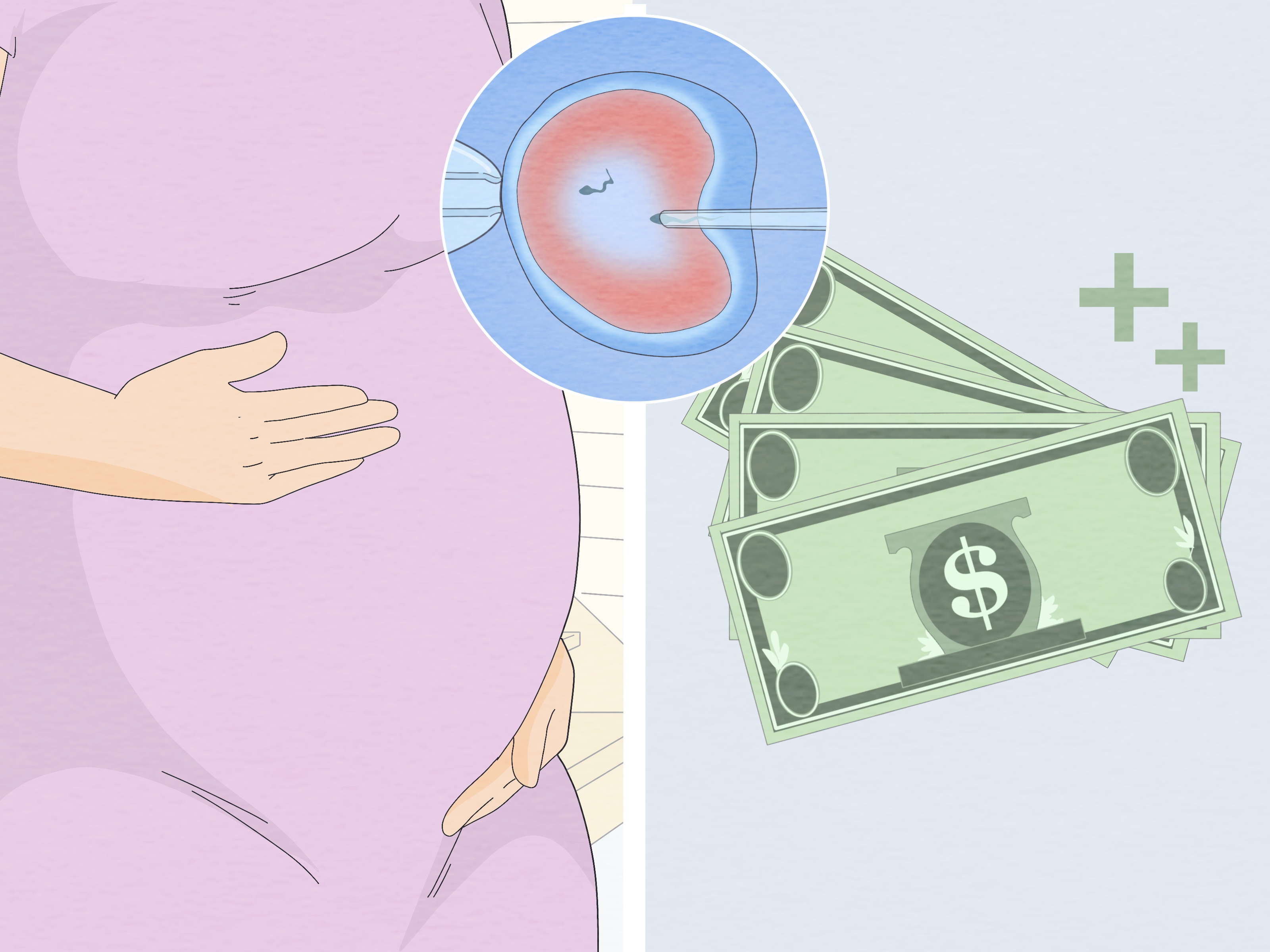
If your partner had a vasectomy, doctors can often retrieve sperm directly from the reproductive tract or testicle. That sperm can then be used with in vitro fertilization (IVF). In many of these cases, the lab uses intracytoplasmic sperm injection (ICSI), where a single sperm is injected directly into an egg.
This option bypasses the need to restore the sperm pathway. Instead of reopening the road, fertility specialists basically helicopter the sperm over the traffic jam.
Who This Option Is Best For
Sperm retrieval with IVF/ICSI may be the better choice when time matters, when the female partner is older or has known fertility issues, when tubal disease is present, or when a couple wants the fastest path to embryo creation rather than waiting for natural conception after surgery.
It is also a strong option when a couple wants only one child, when reversal is less likely to work well, or when a reproductive specialist thinks female fertility factors make IVF necessary anyway.
Pros of IVF/ICSI After Vasectomy
- It can be faster than waiting for recovery and conception after reversal.
- It bypasses the vasectomy entirely.
- It may be more practical if there are female fertility issues that already point toward IVF.
- It can create embryos now rather than relying on future natural timing.
Cons of IVF/ICSI After Vasectomy
- It is often more expensive than reversal.
- It is more physically demanding for the female partner because IVF involves medications, monitoring, and egg retrieval.
- One cycle does not guarantee pregnancy.
- If you want multiple children, you may need additional embryo transfers or additional treatment.
Why Female Fertility Matters So Much Here
When couples compare reversal versus IVF, they often focus on the male partner because the vasectomy feels like the center of the story. But in real fertility decision-making, the female partner’s age and reproductive health can change everything. If ovarian reserve is low, age is advanced, or tubal issues exist, IVF may move from “one option” to “the option that makes the most sense right now.”
This is why fertility specialists often recommend evaluating both partners before deciding. A great surgery does not cancel out an untreated female fertility factor, and a technically successful sperm retrieval does not guarantee an embryo or a pregnancy either.
Way #3: Donor Sperm With IUI or IVF
What This Option Means
Some couples decide not to use the vasectomized partner’s sperm at all. Instead, they use donor sperm through intrauterine insemination (IUI) or, in some cases, IVF. This option is sometimes overlooked in early conversations because couples begin by assuming the goal is to use the male partner’s own sperm. But when the priority is pregnancy itself, donor sperm may be a practical and emotionally valid path.
When Donor Sperm Makes Sense
Donor sperm may be worth considering when reversal is not desired, IVF with surgical sperm retrieval feels too invasive or too expensive, or when the female partner’s fertility profile makes quick action important. It may also be chosen when the male partner has other fertility issues in addition to a vasectomy, or when the couple has personal, ethical, or medical reasons for preferring donor conception.
Pros of Donor Sperm
- It may be the fastest and simplest route to pregnancy for some couples.
- IUI is generally less invasive and less expensive than IVF.
- It avoids surgery for the male partner.
- It can be a strong option when using the partner’s sperm is not realistic or not preferred.
Cons of Donor Sperm
- The child would not be genetically related to the vasectomized partner.
- It can bring emotional, relational, and identity questions that deserve thoughtful discussion.
- You still may need fertility treatment, monitoring, or IVF depending on the female partner’s situation.
Donor Sperm Is a Medical Choice and an Emotional Choice
For some couples, donor sperm feels like a relief because it offers a direct route forward. For others, it can bring grief, hesitation, or mixed feelings about genetics, disclosure, and family identity. None of those reactions are wrong. This is one of those decisions where a couple may benefit from counseling, not because anything is broken, but because it is a big life decision and big life decisions deserve more than a rushed Tuesday-night debate.
How to Choose the Best Option
There is no universal winner. The best option is the one that fits your medical reality and your family goals. Here are the biggest factors that usually shape the choice:
1. How Long Ago the Vasectomy Happened
In general, the longer the time since vasectomy, the more complex reversal can become. That does not mean reversal is off the table, but it does mean expectations should be realistic.
2. The Female Partner’s Age and Fertility
This factor is huge. If time is especially valuable because of age-related fertility decline or known reproductive issues, IVF/ICSI may be favored over waiting for recovery after reversal.
3. How Many Children You Want
If you want more than one child, reversal may offer better long-term value because it could allow repeated attempts at natural conception.
4. Budget and Insurance
Costs vary widely, and coverage is inconsistent. A treatment that looks cheaper on paper may not be cheaper in your specific situation. Get real numbers before falling in love with a plan.
5. How Quickly You Want to Try
IVF/ICSI can shorten the path to attempting conception. Reversal may be better for couples who are comfortable allowing more time for recovery and natural pregnancy.
6. Personal Values and Emotional Comfort
Some couples strongly prefer natural conception if possible. Others prefer the control and speed of IVF. Others are open to donor sperm and want the least complicated route to pregnancy. These preferences matter.
What Couples Should Do First
If your partner had a vasectomy and you want to get pregnant, start with a plan, not a guess. Schedule an appointment with a reproductive urologist and a fertility specialist. Ask for a complete evaluation of both partners. Discuss the timeline since vasectomy, the female partner’s fertility profile, the number of children you hope to have, and the financial reality of each option.
Bring a notebook. Ask annoying questions. Ask for probabilities in couples like yours. Ask what happens if Plan A fails. Fertility is one of those areas where “we’ll just see what happens” can turn into lost time, lost money, and a lot of unnecessary emotional whiplash.
Real-World Experiences Couples Often Have
One of the most striking things about this topic is how different the emotional experience can be from the medical one. On paper, a couple may look like a straightforward fertility case after vasectomy. In real life, they may feel like they are juggling hope, regret, deadlines, budgets, and a rotating cast of internet opinions from strangers who suddenly think they are reproductive philosophers.
Many couples describe the first stage as surprise. Years after a vasectomy, they assume having another child will be impossible, then discover there are multiple routes forward. That first wave of relief can be powerful. It can feel like the door did not close after all; it just moved to a different hallway.
After that relief often comes decision fatigue. Some couples are drawn to reversal because it feels more natural and less medicalized. They like the idea of restoring fertility and trying to conceive at home without turning their calendar into a chemistry experiment. But even when reversal feels emotionally right, couples may struggle with waiting. They have to live with uncertainty after surgery, watch semen analyses, and try not to transform every month into a courtroom drama starring one pregnancy test.
Couples who choose sperm retrieval with IVF and ICSI often talk about a different kind of emotional rhythm. The process can feel more efficient and more structured. There are appointments, timelines, medications, retrieval days, fertilization updates, embryo reports, and transfer plans. For some people, that structure is comforting. For others, it is exhausting. It can feel like the path is clearer, but also more intense, especially for the female partner, whose body takes on much more of the treatment burden.
Then there are couples who consider donor sperm, sometimes after first assuming they never would. Their experiences can be deeply practical, deeply emotional, or both. Some feel immediate peace because donor sperm offers the shortest route to pregnancy. Others need time to process the shift from “our genetics” to “our family.” The key experience many people share is that the emotional meaning of donor conception often evolves. What feels complicated at the beginning may later feel obvious, generous, and completely right for the family they are building.
Another common experience is learning that fertility decisions are rarely just medical. They are tied to age, timing, sibling plans, finances, religious beliefs, relationship dynamics, and previous life events. A couple may start by asking, “Can we get pregnant after vasectomy?” and end up asking more layered questions: “How many children do we want?” “How much treatment can we handle?” “How fast do we need to move?” “What feels sustainable for us?”
There is also the reality that partners do not always prefer the same path at first. One may want reversal because it seems simpler in the long run. The other may want IVF because it feels faster and less uncertain. These differences are normal. The couples who cope best are often the ones who treat the decision like a shared project instead of a debate someone has to win.
Perhaps the most reassuring experience reported again and again is this: once couples have a clear medical evaluation and a realistic plan, anxiety often decreases. Not because the process becomes easy, but because uncertainty shrinks. Fertility after vasectomy is rarely a one-click solution, but it is very often a solvable problem with more than one path forward.
Final Thoughts
If your partner had a vasectomy and you now want a baby, there are three main ways to pursue pregnancy: vasectomy reversal, sperm retrieval with IVF/ICSI, and donor sperm with IUI or IVF. Each option has strengths, limitations, and different emotional implications. The best choice depends on your timeline, your fertility profile as a couple, your budget, and your goals for family building.
The bottom line is encouraging: a vasectomy does not automatically end the possibility of pregnancy. But it does mean your path should be chosen thoughtfully. With the right specialists and a clear-eyed plan, many couples are able to move from “We thought this chapter was closed” to “We’re actually doing this.” Which, to be honest, is a pretty great plot twist.