Trying to contact Anderson Cooper can feel a little like trying to hand-deliver a note to someone reporting live from the middle of a hurricane. He is visible almost every day, yet reaching him personally is another matter entirely.
The good news is that you do not need a secret celebrity phone book, a suspiciously expensive database subscription, or a cousin who once stood behind Andy Cohen at a coffee shop. There are several legitimate public channels through which viewers, fans, journalists, nonprofit organizations, and event planners can send messages intended for Cooper or his team.
The best method depends on what you are sending. A comment about Anderson Cooper 360° belongs in a different place than a keynote invitation. A personal letter should not be disguised as breaking news, and a complicated investigative tip should not be squeezed into an Instagram comment between heart emojis.
This guide explains the three best ways to contact Anderson Cooper, what information to include, what to avoid, and how to improve the chances that your message reaches the appropriate person.
The Quick Answer: How Can You Contact Anderson Cooper?
- Use CNN’s official feedback system for comments about his programs, viewer questions, corrections, and general story suggestions.
- Message or tag his verified social media accounts for brief, public, timely, or conversational communication.
- Send formal mail or use a professional booking channel for fan letters, speaking invitations, media requests, and business proposals.
None of these options guarantees a personal response. Cooper is a nationally recognized journalist with a busy production schedule, and his accounts and correspondence may be reviewed by staff. Still, using the correct route gives your message a much better chance than sending it to an unverified address found in the internet’s more mysterious neighborhoods.
1. Contact Anderson Cooper Through CNN
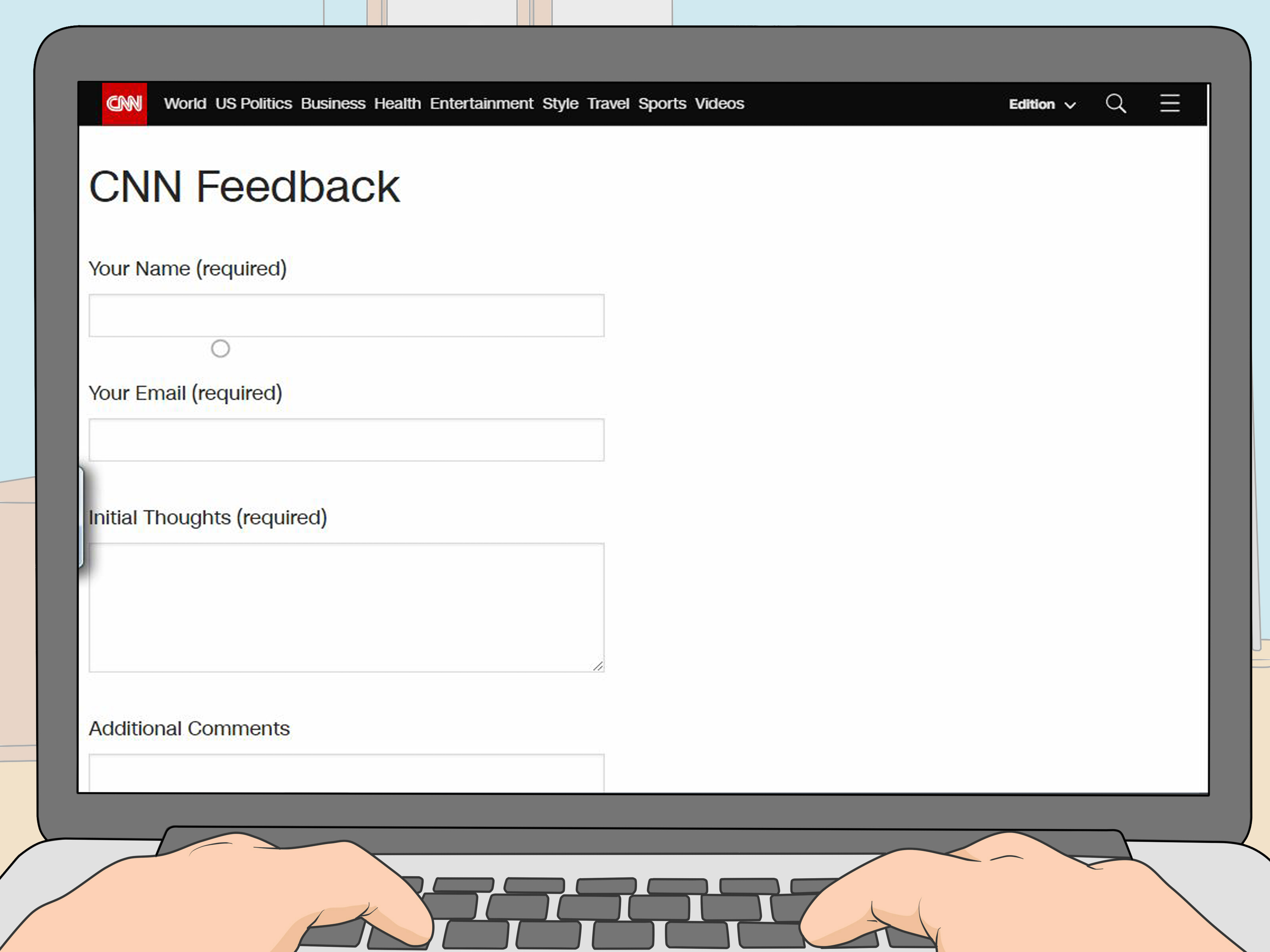
For most viewers, CNN’s official feedback system is the most appropriate place to begin. Anderson Cooper is closely associated with CNN, where he hosts Anderson Cooper 360° and other reporting projects. Messages about his television work are therefore more likely to be routed correctly when they enter through the network’s established audience-support channels.
How to Use the CNN Feedback Form
Visit the CNN Help Center and select the option to give feedback. In the opening line of your message, clearly identify the program or person you are trying to reach. For example:
For the Anderson Cooper 360° production team: I am writing regarding the segment broadcast on June 18 about…
This simple label matters. CNN receives messages about subscriptions, applications, technical problems, news coverage, anchors, advertising, and probably a few complaints about someone’s television remote. Naming Anderson Cooper 360° immediately helps distinguish your message from ordinary customer-service traffic.
What Should You Send Through CNN?
The CNN route is useful for:
- Comments about an episode or interview
- Requests for clarification or corrections
- Viewer questions for Cooper or the production team
- Suggestions for future coverage
- Compliments or constructive criticism
- Information about a developing public-interest story
A strong message should explain the point quickly. Include the relevant program date, the subject discussed, your connection to the issue, and the action you are requesting. If you are responding to a particular report, name it rather than writing, “I saw that thing Anderson said last Tuesday.” Newsrooms appreciate specifics. So do human beings generally.
How to Write an Effective Story Suggestion
If you are suggesting a story, focus on why it matters to CNN’s audience. A useful pitch normally answers four questions:
- What happened?
- Why is it important now?
- Who can verify the information?
- What evidence is available?
Keep your initial submission concise. A few focused paragraphs are more useful than a 4,000-word autobiography beginning with your childhood goldfish. Explain the central fact first, provide essential context, and offer a reliable way for the production team to contact you.
Do not submit confidential records through a general feedback form unless CNN explicitly states that the channel is appropriate for sensitive documents. General online forms may be processed through customer-service systems and should not automatically be treated as anonymous or secure tip lines.
Sample CNN Message
For the Anderson Cooper 360° team:
I am a public-school administrator in Ohio with documents showing how a recently adopted transportation policy has left hundreds of rural students without reliable access to school. The issue affects three counties and begins with the fall semester. Parents, district officials, and transportation contractors are available for interviews. I can provide public meeting records, policy documents, and verified contact information.
Please let me know whether the team would like a short summary or supporting materials.
This example is direct, specific, timely, and verifiable. It does not announce that the story will “break the internet,” because newsroom professionals have heard that line approximately nine billion times.
2. Reach Anderson Cooper Through Official Social Media
Social media is the easiest way to send a brief public message to Anderson Cooper. His established public accounts include @andersoncooper on Instagram, Threads, and X. The Anderson Cooper 360° program also maintains official accounts, including its Facebook presence and the @andersoncooper360 profile on Threads.
Account names, verification systems, and platform policies can change, so always confirm that a profile is authentic before interacting with it. Look for a long posting history, links to recognized CNN properties, a substantial established audience, and platform verification indicators where available.
When Social Media Works Best
Social media is most suitable for:
- A short reaction to a recent broadcast
- A thoughtful question connected to a current post
- A public thank-you message
- A brief recommendation for a topic or guest
- A link to credible information relevant to an active discussion
A public reply can sometimes be more visible than an unsolicited direct message, especially when it contributes useful information to a conversation already taking place. However, visibility should not be confused with volume. Posting the same message under 27 unrelated photos will not make you look determined. It will make you look like a malfunctioning notification system.
How to Write a Social Media Message
Keep it short and self-contained. Open with the reason for contacting him and include one specific point. When appropriate, tag the Anderson Cooper 360° account in addition to Cooper’s personal public profile, since program staff may monitor show-related discussions.
Example: “Your recent discussion about grief support for children raised an important issue. Our nonprofit operates free peer groups in six rural counties and has collected outcome data that may interest the production team. Where is the best place to send a one-page summary?”
This message gives the recipient a reason to care without unloading an entire proposal into a comment box.
Do Direct Messages Reach Anderson Cooper Personally?
Possibly, but you should not assume they do. High-profile accounts may restrict direct messages, filter unfamiliar senders, or use staff to review incoming communication. Even when a message is seen, a response may come from a representative rather than Cooper himself.
Never include private medical records, bank details, Social Security numbers, passwords, unpublished legal documents, or other sensitive information in a social media message. If someone claiming to be Cooper or his representative quickly moves the conversation to an encrypted app and requests money, gift cards, cryptocurrency, banking information, or a “processing fee,” stop communicating.
Watch for Anderson Cooper Impersonation Scams
Celebrity impersonation scams are common. A fake account may follow a fan, claim that Cooper has personally selected the person for a private conversation, and then request money for charity, travel, membership, or access to a special event.
Legitimate journalists and established media organizations do not require fans to purchase gift cards in order to continue a conversation. They also do not need your online-banking password to mail you a prize. That should be obvious, but scammers survive because excitement can temporarily place common sense in airplane mode.
Verify unexpected contact through a separate official channel. Do not trust a profile simply because it contains professional photographs, a CNN logo, or the words “Official Private Account.” Anyone can type those words. Even your neighbor’s cat could create an “official private account” with enough determination and Wi-Fi.
3. Send Fan Mail or Use a Professional Booking Channel
Traditional mail remains a reasonable choice for a personal letter, thoughtful appreciation note, or formal written request. It is slower than social media, but it allows you to present a complete message without competing with thousands of comments, breaking-news alerts, and videos of dogs wearing tiny raincoats.
Public Mailing Format for Anderson Cooper
A commonly published corporate mailing format is:
Anderson Cooperc/o Anderson Cooper 360°
CNN
30 Hudson Yards
New York, NY 10001
Because corporate locations and mail-handling procedures can change, confirm the current CNN business address before sending anything valuable. Address the envelope clearly, include a return address, and place the program name near the recipient’s name so the mailroom knows where the letter is intended to go.
Tips for Writing Fan Mail
A good fan letter does not need to be dramatic. Explain why you are writing, mention the specific reporting or project that affected you, and keep the letter to approximately one page. Personal details can make the message memorable, but they should support the point rather than turning the letter into a complete family archive.
Do not send expensive gifts, irreplaceable photographs, original documents, food, or anything requiring special handling. Large media organizations often have strict security procedures, and unsolicited packages may be rejected, screened, delayed, or discarded.
If you want an autograph, you may include a clearly labeled item and a self-addressed stamped envelope, but there is no guarantee that it will be signed or returned. Never mail an object you would be heartbroken to lose.
How to Contact Anderson Cooper for a Speaking Engagement
A corporate event, university lecture, moderated discussion, fundraiser, or conference appearance should be handled through a professional booking channel rather than fan mail or social media.
Reputable speakers bureaus publicly list Anderson Cooper for event inquiries. A qualified bureau can check availability, communicate expected fees, negotiate terms, coordinate travel, and confirm technical requirements. Before providing deposits or confidential business information, verify that the company has an established history, a real business address, written contracts, and traceable professional representatives.
Your inquiry should include:
- The organization’s full name and website
- The proposed date and location
- The event format and expected audience
- The requested role, such as keynote speaker or moderator
- The approximate speaking length
- The available budget or fee range
- Travel and production details
- Your decision deadline
A message reading, “How much for Anderson next Thursday?” is not an event brief. It is barely a sentence wearing business shoes.
Media and Interview Requests
Accredited journalists, producers, and communications professionals should consult CNN’s current press-contact information. Press channels are designed for legitimate interview requests, network publicity, programming questions, and media coordination. They are not a shortcut for fan messages or unrelated product pitches.
A professional interview request should state the outlet, subject, format, estimated time commitment, publication or broadcast date, and reason Cooper is relevant. Include links to previous work and provide a clear response deadline without manufacturing fake urgency.
How to Improve Your Chances of Receiving a Response
Choose One Appropriate Channel
Start with the channel that fits your purpose. A viewer comment belongs with CNN. A brief public reaction belongs on social media. A keynote invitation belongs with a professional booking representative. Sending the identical message everywhere at once can make legitimate outreach resemble spam.
Lead With the Most Important Information
Journalists and producers work quickly. Put your strongest fact in the first two sentences. Do not make the reader solve a riddle before discovering why you contacted them.
Keep the Initial Pitch Brief
For professional outreach, aim for roughly 150 to 200 words unless the submission system requests more detail. Additional evidence can be offered after the recipient expresses interest. Avoid enormous unsolicited attachments, which may trigger security filters and test the emotional resilience of the production assistant opening the inbox.
Make One Clear Request
Ask for one realistic next step: review a summary, confirm the correct submission channel, consider an interview, or discuss event availability. Messages containing seven unrelated requests are difficult to route and even harder to answer.
Follow Up Respectfully
For professional proposals, one brief follow-up after several business days is reasonable. Repeated daily messages are not. Silence often means the team is unavailable, the proposal is not a fit, or the message could not be individually answered.
Common Mistakes to Avoid
- Searching for private contact information: Use public professional channels rather than attempting to obtain a personal phone number, home address, or private email.
- Trusting unverified accounts: Confirm the identity of anyone claiming to represent Cooper before sharing information or money.
- Writing an extremely long introduction: Get to the point before the reader begins wondering whether the message has an intermission.
- Sending vague story claims: Provide dates, names, locations, evidence, and people who can verify the information.
- Demanding a response: A polite message is more effective than guilt, threats, or repeated all-capital-letter punctuation.
- Using press contacts for fan mail: Publicists handle media work, not birthday greetings, homework requests, or debates about your neighborhood parking committee.
Practical Experiences: What Usually Works and What Usually Fails
The following examples are illustrative composites based on common media-outreach situations. They are not claims of private correspondence with Anderson Cooper or CNN.
Experience One: The Viewer With a Detailed Story Tip
A viewer discovers that residents in several apartment buildings have repeatedly reported dangerous elevator failures. Her first draft begins with five paragraphs describing how long she has watched CNN, followed by a lengthy history of the neighborhood. The actual newsworthy fact does not appear until page three.
She rewrites the message for the CNN feedback channel. The new version identifies the buildings, summarizes the safety issue, lists the dates of public inspection reports, and names two residents willing to speak on camera. She offers photographs and government records but does not attach hundreds of files immediately.
The second version is far stronger because a producer can understand the story in less than a minute. Whether CNN pursues it depends on editorial priorities, but the message now contains enough verifiable information to be evaluated.
Lesson: Evidence beats enthusiasm. A clear local story with records and interview sources is more useful than repeatedly describing it as “huge.”
Experience Two: The Nonprofit Seeking a Speaking Appearance
A nonprofit director sends Anderson Cooper a social media message asking whether he can “drop by” an annual gala. The message does not include the date, city, audience size, format, or budget. Unsurprisingly, it receives no response.
For the following year, the organization prepares a professional event brief and contacts a reputable speakers bureau. The inquiry includes two possible dates, the venue, the fundraising purpose, the proposed conversation topic, the expected number of attendees, travel arrangements, and the approved fee range.
The bureau can now determine whether the request is realistic and present alternatives if Cooper is unavailable. Even a rejection becomes useful because the organization receives a professional answer rather than wondering whether its message disappeared into social-media space.
Lesson: Business inquiries need business details. Famous speakers have complicated schedules, contracts, travel requirements, and production needs. Treat the invitation as a professional engagement, not an informal favor.
Experience Three: The Fan Writing About a Meaningful Episode
A viewer wants to thank Cooper for a discussion about grief that helped his family communicate after a death. He initially considers posting the entire personal story in a public comment. Instead, he writes a one-page letter explaining the specific episode, what it helped his family understand, and why the conversation mattered.
The letter does not request a meeting, demand a reply, or include highly sensitive family records. It simply offers sincere feedback and gives the production team enough context to understand the impact of the program.
There is no guarantee Cooper will personally read or answer it. However, the letter is appropriate for a professional mailroom, respectful of privacy, and easy for staff to route. Even if no reply arrives, it communicates appreciation without placing pressure on the recipient.
Lesson: A specific, sincere message is usually more memorable than exaggerated praise. Mention the work, explain its impact, and respect the recipient’s time.
Experience Four: The Fake “Private Account”
A fan comments on an Anderson Cooper post and soon receives a follow request from an account using his photograph. The account claims to be Cooper’s secret profile for speaking directly with loyal viewers. After a few friendly messages, the supposed celebrity asks the fan to purchase gift cards for a charity membership.
The fan pauses, checks Cooper’s established public profiles, and reports the impersonator. That decision prevents a financial loss.
Lesson: Excitement is not verification. Real public figures do not need fans to send gift-card numbers, cryptocurrency, or banking credentials through private messages.
Frequently Asked Questions
Does Anderson Cooper Have a Public Personal Email Address?
There is no reliably verified public personal email address that should be treated as a direct line to Cooper. Use CNN’s feedback system, official social accounts, current press contacts, or a professional booking representative instead.
Will Anderson Cooper Personally Read My Message?
Possibly, but there is no guarantee. Staff may screen correspondence and route selected messages according to topic, urgency, and relevance.
Can I Invite Anderson Cooper to My Event Through Instagram?
You can send a brief inquiry, but formal event invitations should be submitted through a reputable booking channel. A social media message is not a substitute for contracts, availability checks, fees, and production planning.
Can I Mail Anderson Cooper a Gift?
A letter is safer than a gift. Corporate security policies may prevent unsolicited packages from reaching the recipient. Never send expensive, perishable, fragile, or irreplaceable items.
What Is the Best Way to Contact Anderson Cooper About a News Story?
Begin with CNN’s official audience or newsroom channels and clearly identify the message as a story suggestion for the Anderson Cooper 360° team. Provide a concise summary, supporting evidence, potential interview sources, and reliable contact information.
Conclusion
The best way to contact Anderson Cooper is not to search for hidden personal details. It is to use the legitimate public channel that matches your purpose.
Send viewer feedback and story suggestions through CNN, use verified social media profiles for brief public interaction, and rely on formal mail or professional representatives for fan letters, interview requests, and speaking engagements. Keep the message specific, concise, respectful, and easy to verify.
Most importantly, maintain realistic expectations. Cooper and his production teams receive substantial amounts of correspondence, so even a thoughtful message may not receive an individual reply. Choosing the correct route, however, gives it the best possible opportunity to reach the right desk rather than drifting eternally through the internet wearing a tiny “urgent” label.
Editorial note: Contact forms, corporate addresses, professional representatives, and social media handles may change. Confirm all public contact information through CNN, its current press materials, or verified platform profiles before publishing this guide or sending sensitive material.