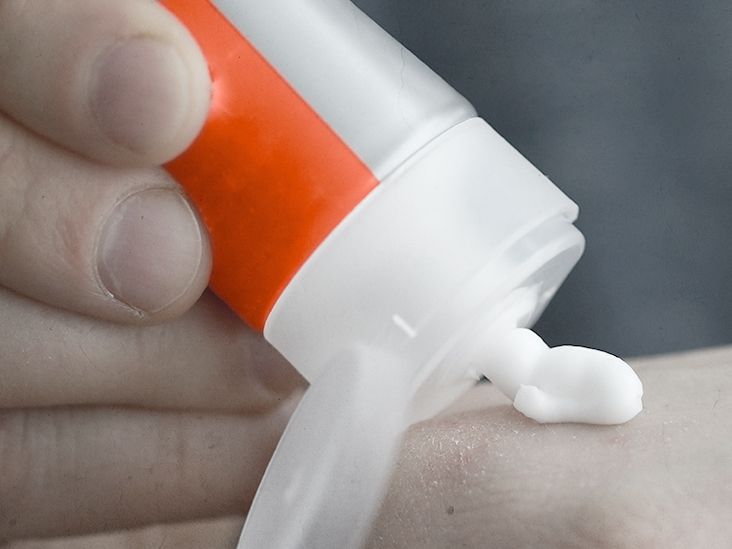
Vitamin E has been squeezed into capsules, blended into creams, poured into facial oils, and promoted as the answer to nearly every skin concern known to humankind. According to some product labels, it can moisturize dry skin, erase scars, fight wrinkles, calm irritation, and possibly organize your bathroom cabinet while it is there.
The reality is more nuanced. Vitamin E can be a useful moisturizing and antioxidant ingredient, especially when it appears in a well-formulated cream or lotion. However, research does not support many of the dramatic scar-removal claims associated with pure vitamin E oil. Understanding what it can and cannot do helps you choose a product that benefits your skin without turning your face into an unwanted dermatology experiment.
What Is Vitamin E?
Vitamin E is a fat-soluble nutrient and antioxidant. The term refers to a family of related compounds, including tocopherols and tocotrienols. Alpha-tocopherol is the form most actively used by the human body and the form commonly discussed in nutrition research.
In skin care, vitamin E may appear on an ingredient list as tocopherol or tocopheryl acetate. Tocopheryl acetate is a more stable derivative that manufacturers frequently use in creams, lotions, oils, lip products, and antioxidant serums.
As an antioxidant, vitamin E helps limit oxidative damage caused by unstable molecules called free radicals. These molecules can be generated by ultraviolet radiation, pollution, cigarette smoke, and normal metabolic activity. The skin naturally contains vitamin E, particularly in its oil-rich outer layers, although environmental exposure can reduce those levels over time.
Potential Benefits of Vitamin E for Skin
It Can Help Dry Skin Feel Softer
The most practical benefit of topical vitamin E is moisturization. Because it is oil-soluble, vitamin E is often included in emollient formulas that soften rough skin and reduce the amount of water escaping from the skin’s surface.
This can be useful for dry elbows, knees, hands, heels, or facial areas that feel tight and flaky. The improvement usually comes from the complete formula, howevernot necessarily from vitamin E working alone. Ingredients such as petrolatum, glycerin, ceramides, squalane, dimethicone, and plant oils may contribute just as much, or more, to the moisturizing effect.
For very dry skin, dermatologists generally recommend a fragrance-free cream or ointment rather than a thin lotion. Applying it while the skin is slightly damp helps trap water before it evaporates.
It Supports the Skin Barrier
The skin barrier acts like a brick wall with extremely strict guest policies. It keeps moisture inside while helping block irritants, allergens, and microorganisms. When that barrier becomes disrupted, the skin may feel rough, itchy, sensitive, or unusually reactive.
Vitamin E-containing emollients may support barrier function by coating and softening the outer skin layers. This does not mean vitamin E cures eczema or another inflammatory skin disorder. It means that a suitable moisturizing product may make dryness and discomfort easier to manage as part of a broader skin-care plan.
It Provides Antioxidant Support
Laboratory and experimental research suggests that topical vitamin E can help neutralize some free radicals created by ultraviolet exposure. Vitamin E is also frequently paired with vitamin C because the two antioxidants can complement one another in properly designed formulations.
That antioxidant activity may help reduce some signs of environmental stress, but vitamin E oil is not sunscreen. It does not provide dependable protection against the full spectrum of UVA and UVB radiation. Daily sun protection should still include a broad-spectrum, water-resistant sunscreen with an SPF of at least 30, along with shade and protective clothing.
It May Improve the Feel of Rough, Weather-Stressed Skin
Cold weather, frequent handwashing, air conditioning, low humidity, and harsh cleansers can leave skin feeling like it has been lightly sanded. A vitamin E cream may make the surface feel smoother by filling spaces between dry skin cells and reducing moisture loss.
This is a cosmetic and comfort benefit rather than evidence that vitamin E is permanently restructuring the skin. Consistent moisturizing, gentle cleansing, and sun protection remain more important than chasing a single miracle ingredient.
Does Vitamin E Fade Scars?
Vitamin E is famous as a scar remedy, but fame and evidence are not always roommates.
Clinical research has not shown that applying pure vitamin E consistently improves the cosmetic appearance of surgical scars. In one frequently cited study, vitamin E did not improve scar appearance for most participants, and some developed contact dermatitis. Reviews of the available evidence have reached a similar conclusion: there is not enough reliable support for recommending topical vitamin E as a standard scar treatment.
Vitamin E may still make fully healed scar tissue feel softer because it functions as an emollient. Massage itself may also temporarily improve flexibility and comfort. Those effects should not be confused with proven scar removal.
What Works Better for Scar Care?
For a minor cut or scrape, appropriate wound care can influence how noticeable the scar becomes. Dermatologists generally recommend gently cleaning the injury, keeping it moist with petroleum jelly, covering it with a clean bandage, and protecting the healed area from sunlight. Never pour vitamin E oil into an open wound unless a medical professional specifically recommends it.
Once a wound is completely closed, silicone gel or silicone sheets may be recommended for certain raised or surgical scars. Persistent, painful, itchy, thick, depressed, or discolored scars may require professional treatments such as corticosteroid injections, laser therapy, microneedling, surgery, or other dermatologist-directed procedures.
Can Vitamin E Prevent Stretch Marks?
Vitamin E is commonly rubbed onto the abdomen during pregnancy or weight changes in hopes of preventing stretch marks. Unfortunately, controlled studies have not demonstrated that vitamin E reliably prevents them.
Stretch marks develop when rapid stretching and hormonal influences affect collagen and elastin within the deeper skin layers. Moisturizers may reduce tightness and itching as the skin stretches, but they cannot guarantee that stretch marks will not form. Existing stretch marks often fade naturally over time, regardless of whether a vitamin E product is involved.
What About Acne Marks and Dark Spots?
Pure vitamin E oil is not a first-line treatment for acne scars, post-inflammatory hyperpigmentation, or melasma. Thick oils can feel heavy and may aggravate breakouts in people whose pores clog easily.
Flat brown or gray marks left after acne are different from indented or raised scars. Daily sunscreen is essential because ultraviolet and visible light can make discoloration last longer. Depending on the condition and skin tone, a dermatologist may recommend ingredients such as azelaic acid, retinoids, niacinamide, vitamin C, or hydroquinone under appropriate supervision.
Anyone with ongoing acne should select products labeled noncomedogenic or won’t clog pores. A lightweight moisturizer containing a modest amount of vitamin E is usually a more sensible choice than coating acne-prone skin with oil from a punctured supplement capsule.
How to Use Vitamin E on Your Skin Safely
1. Choose a Formulated Product
Look for a fragrance-free cream, lotion, balm, or serum made for your skin type. A professionally formulated product is generally easier to spread, more cosmetically elegant, and less likely to feel like cooking oil than undiluted vitamin E.
2. Perform a Patch Test
Apply a small amount to an area such as the inner arm twice daily for several days. Watch for itching, redness, swelling, burning, or small blisters. Stop immediately if a reaction develops. Testing cannot predict every possible reaction, but it can identify obvious incompatibility before the product reaches your entire face.
3. Apply It to Slightly Damp Skin
After cleansing or bathing, gently pat the skin until it remains slightly damp. Apply the vitamin E moisturizer within a few minutes. This timing helps the product trap existing water rather than attempting to moisturize skin that is already completely dry.
4. Start Slowly
For facial use, begin two or three evenings per week. Increase the frequency only when the skin remains comfortable. People with oily or acne-prone skin may prefer a lightweight lotion, while those with very dry skin may tolerate a richer cream.
5. Use Sunscreen Every Morning
Antioxidants support a sun-protection routine; they do not replace it. Apply broad-spectrum SPF 30 or higher to exposed skin and reapply approximately every two hours when outdoors, as well as after swimming or heavy sweating.
Who Should Be Cautious?
Vitamin E skin products are not suitable for everyone. Use extra caution when you have highly sensitive skin, eczema, frequent contact dermatitis, active acne, or a history of reacting to cosmetics. Fragrance, preservatives, botanical extracts, and carrier oils may cause a reaction even when vitamin E itself is not responsible.
Do not apply a new cosmetic to an infected area, serious burn, open wound, or fresh surgical incision without medical guidance. Seek care for spreading redness, warmth, pus, worsening pain, fever, or a wound that is not healing normally.
Topical reactions may include itching, burning, redness, scaling, swelling, or blistering. Skin-care productsincluding those marketed as natural or cleancan trigger allergic contact dermatitis.
Should You Take Vitamin E Supplements for Better Skin?
Most healthy adults can obtain adequate vitamin E from food. The recommended dietary allowance for adults is 15 milligrams per day. Sources include almonds, sunflower seeds, peanuts, wheat germ, vegetable oils, avocado, spinach, and fortified cereals.
Taking more does not automatically create smoother or younger-looking skin. High-dose supplements can increase bleeding risk and may interact with blood thinners, antiplatelet medications, cancer treatments, and other therapies. Tell your health care team about supplements before surgery or a medical procedure.
Frequently Asked Questions
Can I put vitamin E oil on my face overnight?
You can leave a suitable vitamin E facial product on overnight if your skin tolerates it. Pure oil may be too heavy for oily, combination, or acne-prone skin. Patch-test it first and stop if you notice clogged pores, itching, redness, or burning.
How long does vitamin E take to improve dry skin?
A moisturizing formula may make skin feel softer after one application. More consistent improvement in flaking and roughness may require several days of regular use. If severe dryness does not improve, an underlying condition such as eczema, psoriasis, hypothyroidism, or diabetes may need evaluation.
Can vitamin E remove old scars?
No topical product can guarantee removal of an old scar. Vitamin E has not been proven to erase scars. A dermatologist can identify the scar type and discuss more appropriate options.
Is vitamin E good for sensitive skin?
Some sensitive skin tolerates it well, while other skin develops irritation or contact dermatitis. Select a fragrance-free formula with a short ingredient list and test it before widespread use.
Can I use vitamin E with retinol or vitamin C?
Vitamin E is often formulated with vitamin C, and it may also appear in moisturizers used alongside retinoids. However, introducing several active products at once makes irritation harder to troubleshoot. Add one product at a time and reduce frequency if dryness or stinging develops.
Conclusion
Vitamin E deserves a place in skin care, but not on a pedestal surrounded by magical scar-erasing candles. In a well-formulated moisturizer, it can soften dry skin, support the skin barrier, and contribute antioxidant activity. Evidence for treating scars or preventing stretch marks is far less convincing.
The smartest approach is to choose a product suited to your skin type, patch-test it, apply it to slightly damp skin, and continue using sunscreen. For significant scars, persistent rashes, severe dryness, or wounds that are not healing, professional care is more valuable than another bottle of internet-famous oil.
Extended Experience Notes: A Practical 30-Day Vitamin E Trial
The following experience-based scenario illustrates what someone might realistically notice when adding a vitamin E moisturizer to a routine. It is not a clinical trial, and results will vary according to the product, skin type, climate, and underlying skin conditions.
Imagine someone named Rachel who has dry cheeks, rough elbows, and hands that become tight after washing. She also has a pale, fully healed scar on her forearm from a minor kitchen accident six months earlier. Her goal is not to reverse time or achieve the complexion of a computer-generated moisturizer advertisement. She simply wants softer skin and is curious whether vitamin E will improve the scar.
During the first week, Rachel patch-tests a fragrance-free cream containing tocopheryl acetate, glycerin, ceramides, and petrolatum. She applies it to one small area of her inner arm each evening. No rash appears, so she begins using it on her hands and elbows after bathing and handwashing.
The first noticeable change is comfort. Her hands no longer feel as tight, and the flaky areas on her elbows look smoother. That improvement happens quickly because the cream reduces water loss and coats rough skin cells. It would be inaccurate to credit vitamin E alone: glycerin attracts water, ceramides support the barrier, and petrolatum helps seal everything in. Skin-care ingredients, like a good band, often perform better as a group.
In the second week, Rachel applies a pea-sized amount to her dry cheeks every other night. Using more does not make the cream work faster; it only makes her pillowcase unusually luxurious. She avoids the oilier parts of her face because she occasionally develops clogged pores around her nose and chin.
By the third week, her cheeks feel less rough, especially when she applies the cream immediately after cleansing. She notices that applying it to completely dry skin is less effective. Leaving a small amount of water on the surface before moisturizing seems to provide longer-lasting comfort, which is consistent with standard dry-skin advice.
The scar is a different story. Rachel massages a small amount of cream into the fully healed area once daily. The tissue feels softer and less dry, but the scar’s width and color do not change dramatically. This is a realistic result. Moisturizer and gentle massage may improve comfort, yet that does not prove the vitamin E is remodeling scar tissue.
Rachel also learns an important lesson after spending an afternoon outdoors: the scar appears temporarily darker when she forgets sunscreen. She begins applying broad-spectrum SPF 30 to her arms each morning. Over time, consistent sun protection is likely to be more helpful for minimizing color contrast than relying on vitamin E oil alone.
At the end of 30 days, Rachel keeps the cream because it works well as a moisturizer. She does not describe it as a scar remover, acne treatment, or substitute for sunscreen. Her most useful discoveries are surprisingly ordinary: use a gentle formula, apply it to damp skin, start slowly, avoid overapplication, and judge the product by measurable changes such as comfort, flaking, irritation, and breakouts.
That is the kind of experience consumers should expect from vitamin E skin caremodest, practical improvement rather than a cinematic transformation accompanied by wind machines and dramatic lighting.