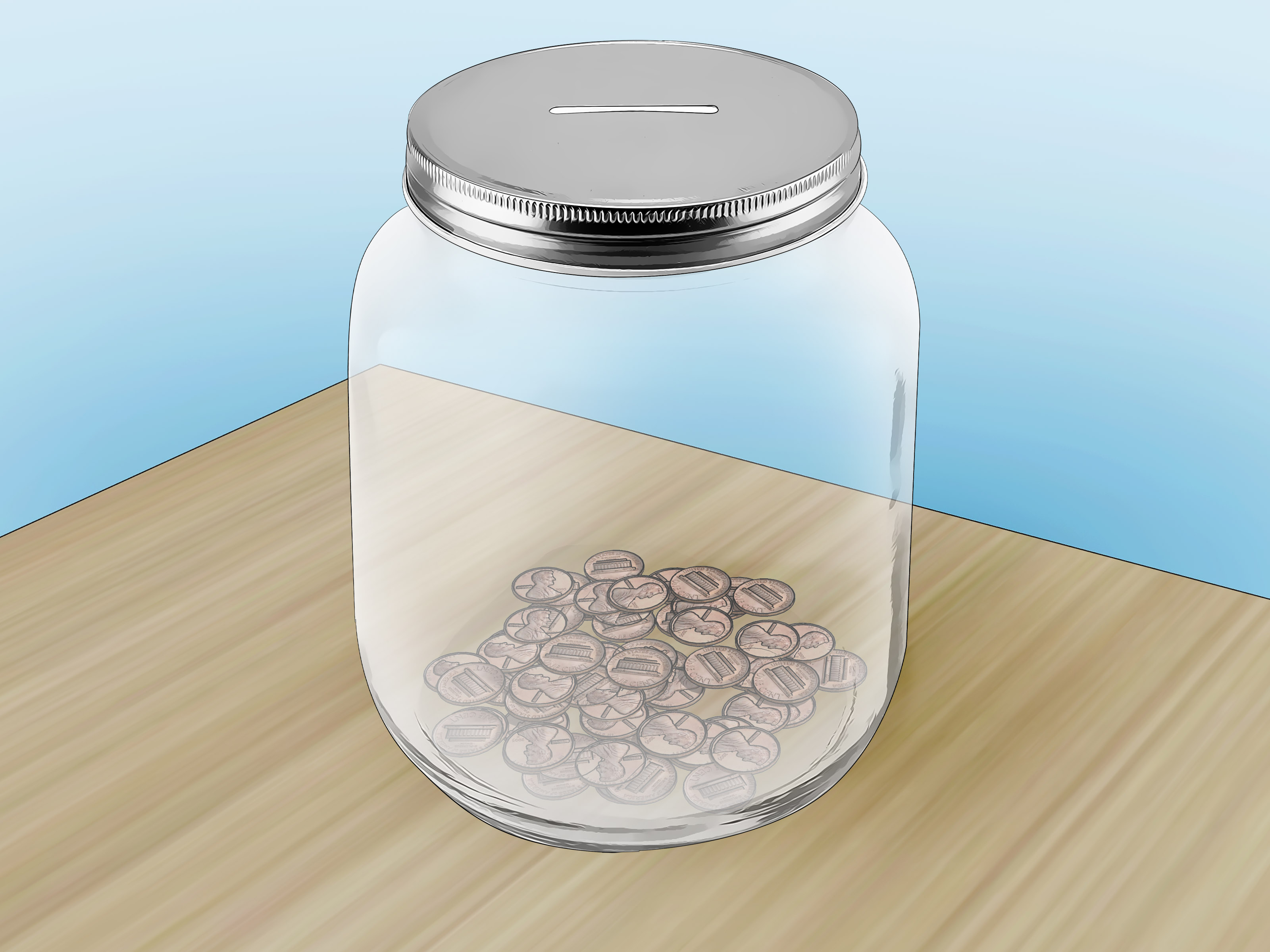
That jar of brown, gloomy pennies may look as though it has survived three recessions, a basement flood, and several years beneath a couch cushion. Fortunately, ordinary white vinegar and table salt can make many circulated pennies noticeably brighter in minutes.
This simple cleaning method is also a miniature chemistry experiment. Vinegar provides a weak acid, salt supplies chloride ions, and together they help remove the dull copper compounds that develop on a penny’s surface. The process is inexpensive, easy to observe, and surprisingly satisfyingrather like pressure-washing a driveway, except the driveway has Abraham Lincoln on it.
There is one important warning before the science begins: clean only ordinary pennies that have no collectible value. Cleaning a rare, old, proof, error, or otherwise valuable coin can permanently alter its surface and reduce its numismatic value. Professional coin organizations distinguish careful conservation from aggressive amateur cleaning, which can leave scratches, unnatural color, or chemically damaged metal.
Why Do Pennies Become Dull and Brown?
A bright penny does not stay bright forever. Copper at the surface reacts with oxygen, moisture, and substances in the surrounding environment. Over time, this creates a darker layer of copper-containing compounds commonly described in educational experiments as copper oxide or tarnish.
The dark material is not simply loose household dirt. Some of it is chemically attached to the coin’s surface, which is why wiping a penny with a dry towel usually accomplishes very little. You can polish enthusiastically until your fingers file a complaint, but the brown color will often remain.
Vinegar-and-salt experiments published by the American Chemical Society, Michigan State University Extension, the Exploratorium, and other science educators demonstrate that the solution can dissolve or loosen this oxidized surface material, revealing brighter copper beneath it.
Are Modern Pennies Made Entirely of Copper?
No. Modern U.S. pennies have a zinc interior covered by a thin copper layer. Older cents generally contain a much larger proportion of copper, while the U.S. Mint identifies today’s familiar cent as a copper-plated zinc coin. This difference matters because a deeply scratched modern penny may have exposed zinc beneath its copper coating. Acid can attack that exposed zinc, potentially causing discoloration, bubbling, pits, or further surface damage.
For this reason, choose intact circulated pennies for the experiment. Avoid coins with deep cuts, peeling copper, holes, severe corrosion, or visible silvery-gray areas where the zinc core may already be exposed.
How Vinegar and Salt Clean Pennies
What the Vinegar Does
White vinegar contains acetic acid. It is much weaker than laboratory acids, but it is acidic enough to react gradually with copper oxides and other tarnish compounds on a penny. As those compounds loosen or dissolve, the brighter metallic surface underneath becomes visible.
What the Salt Does
Table salt is sodium chloride. The chloride ions help dissolved copper species remain in the solution and make the cleaning reaction more effective. In other words, salt is not acting like tiny pieces of sand when it is fully dissolved. Its main contribution is chemical rather than abrasive.
Research discussed in the American Chemical Society’s Journal of Chemical Education indicates that chloride ions play an important role in the vinegar-and-salt system. The household explanation is simpler: vinegar starts loosening the tarnish, while the salt helps the process move along more efficiently.
Why Rinsing Matters
If vinegar and salt remain on the penny, the surface can continue reacting with air and moisture. An unrinsed penny may develop new spots or blue-green material instead of staying bright. The Exploratorium’s penny activity specifically uses this contrast to show how rinsed and unrinsed pennies behave differently after cleaning.
The lesson is wonderfully uncomplicated: rinse the pennies thoroughly. Chemistry has already done its party trick; there is no need to let it stay overnight and rearrange the furniture.
What You Need to Clean Pennies
Gather the following materials before starting:
- Several ordinary, non-collectible pennies
- One-quarter cup of distilled white vinegar
- One teaspoon of table salt
- A small glass or plastic bowl
- A plastic spoon
- Clean water for rinsing
- Paper towels or a soft, lint-free cloth
- Disposable gloves, if you have sensitive skin or cuts
- A second bowl for plain rinse water, if desired
These measurements provide enough solution for a small handful of pennies. Educational procedures vary: some use a few tablespoons of vinegar, while others use approximately one-quarter cup. The exact ratio is flexible as long as the pennies are covered and the solution contains enough dissolved salt to assist the reaction.
Choose a Nonmetal Container
Use glass or plastic rather than a metal cup. The acidic, salty solution can interact with other metals and complicate the experiment. A transparent container is especially useful because it lets you watch the penny’s color change without repeatedly removing it.
Use a Container Reserved for Crafts
Pennies pass through countless hands, cash drawers, parking lots, cup holders, fountains, and mysterious locations best left uninvestigated. The used solution may also contain dissolved copper compounds. Use a craft container rather than a favorite cereal bowl, and never taste the mixture.
How to Clean Pennies with Vinegar and Salt
Step 1: Inspect the Pennies
Look at the date and overall condition of every penny. Set aside anything that appears unusually old, rare, misprinted, prooflike, or potentially collectible. Also reject pennies with severe scratches or exposed zinc.
When uncertain about a coin, do not clean it. A penny worth investigating is more interesting than a penny that has been enthusiastically scrubbed into numismatic sadness.
Step 2: Prepare the Cleaning Solution
Pour one-quarter cup of white vinegar into the bowl. Add one teaspoon of table salt and stir until most or all of the salt dissolves.
The mixture does not need to be heated. Room-temperature vinegar works well and is easier to handle safely, especially during a children’s science activity.
Step 3: Add the Pennies
Place the pennies in the solution in a single layer. Make sure the liquid covers both sides. Avoid stacking a large pile because overlapping coins may develop uneven patches.
You may see the surface begin to brighten within 20 to 30 seconds. Pennies with heavier tarnish may require several minutes. Classroom procedures commonly observe the coins for roughly 30 seconds to three minutes, although results vary with the condition of the coins and the strength of the mixture.
Step 4: Gently Agitate the Solution
Move the pennies gently with a plastic spoon or swirl the bowl. This brings fresh solution into contact with the surface and helps loosen material around Lincoln’s portrait, lettering, and the rim.
Do not grind the pennies against one another. You are conducting a chemical cleaning experiment, not training them for a tiny demolition derby.
Step 5: Check the Progress
After approximately one minute, lift one penny with the spoon and compare it with an untreated penny. If it is bright enough, proceed to rinsing. If dark areas remain, return it to the solution for another minute.
Avoid unnecessarily long soaking. The goal is to remove ordinary surface tarnish, not to expose the penny to acid until tomorrow’s breakfast.
Step 6: Rinse Thoroughly
Remove each penny and rinse it under clean running water. Turn it over several times so water reaches the lettering, rim, and recessed areas. Thorough rinsing removes residual vinegar, salt, and dissolved copper material.
Step 7: Blot the Pennies Dry
Place the rinsed pennies on a paper towel. Blot them gently instead of rubbing aggressively. Allow them to air-dry completely before storing or handling them for another experiment.
Rubbing with a rough towel, abrasive sponge, toothbrush, or powdered cleaner can create fine scratches. Such scratches may be obvious under angled light even when the penny initially appears shinier. Professional grading organizations warn that mechanically altered coin surfaces cannot simply be restored once metal has been removed.
Step 8: Clean the Workspace
Do not use the leftover solution as food, plant fertilizer, a reusable household cleaner, or an ingredient in anything else. Keep it away from children and pets, dispose of it according to local household guidance, and wash the bowl and spoon thoroughly.
Wash your hands after handling circulated coins, even when the pennies look clean. “Shiny” describes appearance; it is not a laboratory certificate of sterility.
How Long Should Pennies Soak?
Most ordinarily tarnished pennies need only 30 seconds to three minutes. A practical approach is to inspect them every 30 seconds rather than selecting one long soaking time.
| Penny Condition | Suggested Initial Soak | Expected Result |
|---|---|---|
| Lightly dull | 20–30 seconds | Rapid brightening |
| Moderately brown | 1–2 minutes | Noticeable improvement |
| Heavily tarnished | 2–5 minutes with checks | Partial or uneven brightening |
| Corroded or damaged | Do not continue soaking | Cleaning may reveal permanent damage |
Some dark spots are not removable dirt. They may be stains, pits, worn plating, or corrosion that has changed the metal itself. Extending the soak will not rebuild missing copper. It may merely make a damaged area more obvious.
Common Penny-Cleaning Mistakes
Cleaning a Potentially Valuable Coin
This is the most expensive mistake. Collectors often prefer original surfaces, including natural toning, over a coin that has been chemically brightened. If a penny is old, unusual, exceptionally well preserved, or apparently misstruck, have it evaluated before doing anything to it.
Using Too Much Salt as an Abrasive
Salt should be dissolved in the vinegar. Pressing dry salt crystals against a penny can produce scratches. More scrubbing does not always mean more cleaning; sometimes it simply means more evidence.
Mixing Vinegar with Other Cleaners
Do not add bleach, ammonia, drain cleaner, hydrogen peroxide, or unidentified household products. Combining cleaners can create dangerous fumes or unexpected chemical reactions. Vinegar, table salt, and water are all this project requires.
Skipping the Rinse
Leaving acidic salt solution on a penny can encourage additional color changes and corrosion. Rinse immediately and thoroughly after the desired brightness appears.
Expecting Every Penny to Match
Pennies differ in age, composition, wear, previous exposure, surface damage, and thickness of remaining copper plating. Two coins placed in the same bowl may emerge with different colors. Chemistry is consistent, but pocket change has a complicated biography.
Why Did My Penny Turn Pink?
A freshly cleaned penny may look pink, salmon-colored, or unusually bright. The vinegar-and-salt solution has removed darker surface compounds, exposing cleaner copper underneath. Fresh copper often appears warmer and pinker than an older oxidized surface.
The color may gradually darken again as the clean copper reacts with oxygen and environmental substances. That does not necessarily mean the procedure failed. It means copper is continuing to behave like copper.
Why Did My Penny Develop Green or Blue Spots?
Green or blue deposits usually indicate that copper-containing compounds have formed as the surface reacts with moisture, oxygen, chloride, and remaining solution. This is especially likely when pennies are removed from the mixture but not rinsed.
In educational versions of the experiment, deliberately leaving several pennies unrinsed provides a useful comparison. Rinsed pennies generally remain cleaner, while unrinsed ones may develop blue-green material.
For normal cleaning, however, green spots are not the grand finale. Rinse the penny again with clean water and dry it thoroughly. If the surface is pitted or the copper coating is damaged, discontinue treatment.
Can You Clean Pennies with Vinegar Alone?
Vinegar alone may remove some tarnish because it contains acetic acid. However, adding dissolved table salt generally makes the cleaning action faster and more noticeable. Demonstrations comparing plain water, salt water, vinegar, and vinegar mixed with salt commonly find that the combined solution produces the clearest short-term result.
The comparison makes an excellent science project. Place similar pennies in separate labeled cups containing:
- Plain water
- Salt water
- White vinegar
- White vinegar and salt
Observe the pennies at equal intervals, rinse them, and record color changes. Controlling the soaking time and using pennies with similar starting conditions will make the comparison more meaningful.
Other Household Ingredients That May Brighten Pennies
Lemon juice, lime juice, ketchup, hot sauce, and certain other acidic foods may brighten copper surfaces. Science Buddies and Scientific American use several household substances in comparative penny experiments to explore acidity, oxidation, and chemical reactions.
Ketchup works partly because it contains acidic tomato ingredients and often includes vinegar and salt. Lemon juice contains citric acid. These alternatives can be educational, but they are not necessarily cleaner, faster, or easier to rinse than plain white vinegar and salt.
Regardless of the ingredient, the collectible-coin warning remains unchanged. A condiment is still a chemical treatment when it alters a coin’s surface. Your rare penny does not care whether its unfortunate bath came from a chemistry cabinet or a hamburger.
Turning Penny Cleaning into a Science Experiment
This activity becomes more educational when you change one variable at a time and record the outcome. PBS, the American Chemical Society, the Exploratorium, Science Buddies, and university outreach programs have all used pennies in demonstrations involving oxidation, acidity, metal ions, corrosion, and electrochemistry.
Questions to Test
- Does vinegar clean a penny faster when salt is added?
- Does warm vinegar work faster than room-temperature vinegar?
- Does the amount of salt change the result?
- Do older and newer pennies respond differently?
- What happens when one penny is rinsed and another is not?
- Which acidic household liquid cleans most quickly?
How to Make the Test Fair
Use pennies with similar starting colors, equal liquid volumes, identical containers, and the same soaking time. Photograph each penny under the same lighting before and after treatment. A simple rating scalesuch as 1 for very dark and 5 for very brightcan help compare results.
Adult supervision is recommended for children. The experiment uses familiar kitchen materials, but the resulting liquid should still be treated as a chemical mixture rather than a beverage with an extremely disappointing flavor.
Experience-Based Notes: What Usually Happens in Real-World Tests
In classroom demonstrations and kitchen-table experiments, the most striking observation is often the speed of the first color change. A dull penny can develop a bright copper patch within seconds, particularly where the surface is smooth and the tarnish is thin. The effect begins around the edges or on Lincoln’s raised portrait, then spreads as the solution reaches more of the surface.
Uneven cleaning is common. Pennies resting flat against the bottom of a bowl may brighten more on the upper side because fresh solution circulates there more freely. Turning the coins halfway through the soak usually produces a more even appearance. A shallow container and a single layer of pennies also work better than a crowded cup filled with overlapping coins.
Another familiar experience is the temptation to keep soaking a stubborn penny. The first few coins may become bright so quickly that a dark coin seems as though it merely needs “a little longer.” Sometimes it does. Other times, the remaining dark area is permanent staining, worn copper plating, or corrosion rather than removable oxide. Once improvement slows significantly, additional soaking often offers little benefit.
Rinsing produces one of the clearest lessons. A properly rinsed penny usually dries with a cleaner, more stable-looking surface. An unrinsed coin may become patchy, dull, or greenish as residual salt and vinegar continue interacting with copper and air. Comparing one rinsed penny with one deliberately unrinsed penny is dramatic, but the unrinsed coin should be treated as an experiment rather than a successful cleaning result.
The drying method also changes the final appearance. Vigorous rubbing can make a penny look brighter in the moment, yet strong light may reveal fine parallel scratches. Blotting and air-drying are less dramatic but kinder to the surface. This is especially important when children assume that greater elbow grease earns a higher science grade. In chemistry, restraint occasionally defeats enthusiasm.
Different penny dates may respond differently even when they look equally dirty. Modern copper-plated zinc cents can reveal gray spots where the plating has been damaged. Older copper-rich pennies may clean more uniformly but can also possess natural toning that returns over time. Sorting pennies by date before the experiment adds another useful variable and helps explain why pocket change is not chemically identical.
The solution itself can provide clues. After cleaning several pennies, it may become cloudy or acquire a faint blue-green tint. This indicates that material from the penny’s surface has entered the liquid. The color is a visual reminder that the tarnish did not simply vanish; the reaction transferred copper-containing material into the solution.
Finally, the most reliable experience is that fresh solution performs better than an old, heavily used batch. As more pennies are cleaned, the mixture accumulates dissolved material and loose grime. For a second large group of coins, preparing a new vinegar-and-salt solution usually produces faster, more consistent results than trying to revive the original bowl with an heroic extra spoonful of salt.
Conclusion
Cleaning ordinary pennies with vinegar and salt is quick, inexpensive, and scientifically interesting. Mix one-quarter cup of white vinegar with one teaspoon of table salt, soak intact non-collectible pennies briefly, inspect them frequently, rinse thoroughly, and blot them dry.
The vinegar’s weak acid helps loosen copper tarnish, while chloride ions from the salt make the process more effective. Good results depend less on aggressive scrubbing than on short exposure, complete rinsing, and recognizing when a dark mark is permanent damage rather than removable dirt.
Most importantly, never experiment on a coin that might have collector value. A pocket-change penny can become a satisfying chemistry demonstration. A rare penny can become an expensive lesson delivered by a very disappointed coin dealer.
Note: This guide is intended for ordinary circulated pennies used in crafts or science activities. It is not a conservation method for collectible, proof, ancient, rare, or historically significant coins.