Medicine can replace joints, crack open clogged arteries, and decode lab panels with the confidence of a game-show champion. Yet when a patient asks the wildly reasonable question, “So… what should I actually eat?” many doctors suddenly look like someone unplugged the Wi-Fi in their brain. That is not because physicians are unintelligent or uncaring. It is because nutrition has spent far too long sitting at the kids’ table in medical education while chronic disease has been running the household.
The truth is not subtle: nutrition affects heart disease, type 2 diabetes, obesity, hypertension, fatty liver disease, kidney disease, digestive health, recovery, and long-term quality of life. In other words, it is not a side quest. It is central to patient care. If doctors are expected to help prevent disease, manage disease, and explain risk in plain English, they need stronger training in the science and practice of nutrition.
This is not an argument for turning every physician into a dietitian, a wellness influencer, or a kale evangelist with a podcast. It is a practical case for better clinical education. Doctors need enough nutrition knowledge to recognize what matters, give sound guidance, avoid outdated myths, and know when to refer patients to registered dietitian nutritionists. That is how modern care gets smarter.
Why Nutrition Belongs in Every Exam Room
Ask almost any primary care doctor what fills their schedule, and you will hear familiar characters: high blood pressure, high cholesterol, prediabetes, type 2 diabetes, obesity, reflux, constipation, fatigue, and the mysterious condition known as “I know I should eat better, but life is chaos.” Nutrition touches all of them. The major U.S. prevention and specialty groups are remarkably consistent here: overall eating patterns matter, not just isolated nutrients floating around like lonely chemistry homework.
That matters because patients do not live in textbook chapters. The same person may have elevated blood pressure, borderline blood sugar, poor sleep, extra weight, and not enough time to cook. A doctor who understands nutrition can connect the dots instead of treating every symptom like a separate pop quiz. Better food choices can help lower sodium intake, improve blood sugar control, reduce cardiovascular risk, support healthy weight, and improve day-to-day functioning. That is not trendy. That is clinical relevance wearing comfortable shoes.
Nutrition also belongs in the exam room because patients want guidance there. Many people are overwhelmed by online diet advice that changes every seven minutes and seems to be written by either a scientist, a bodybuilder, or an avocado. Patients trust physicians to help them sort evidence from nonsense. If the doctor cannot do that confidently, a vacuum forms, and the internet rushes in wearing a lab coat it absolutely did not earn.
The Uncomfortable Truth About Medical Training
For decades, experts have argued that medical students need meaningful nutrition education, and for decades the system has nodded politely while changing too slowly. Back in the 1980s, the National Research Council recommended roughly 25 to 30 hours of nutrition instruction in medical school. Even then, the average was lower. Later national survey data showed that U.S. medical students were still receiving limited nutrition instruction, with only a minority of schools meeting the recommended threshold. That is not a small curriculum hiccup. That is a long-running educational pothole.
The downstream result is predictable. An American Medical Association-cited statistic found that fewer than 14% of practicing physicians believed they were adequately trained in nutritional counseling. Think about that for a second. Fewer than 14%. If your airline announced that only 14% of pilots felt prepared to land in rain, everyone would suddenly become very interested in train travel.
Even more troubling, many students begin medical school believing nutrition is clinically important, then lose some of that conviction by graduation. That suggests the problem is not just missing facts. It is a hidden curriculum issue. Medicine still tends to reward acute intervention more visibly than prevention. A dramatic rescue gets applause. A careful conversation about fiber, sodium, meal patterns, and realistic behavior change gets a time limit and an overbooked waiting room.
Why the Gap Hurts Patients
Heart Disease Does Not Care That Nutrition Was an Elective
Heart disease remains a leading cause of death in the United States, and unhealthy diet is one of its major modifiable risk factors. Nutrition is tightly linked to blood pressure, cholesterol patterns, triglycerides, body weight, inflammation, and long-term cardiovascular risk. When doctors understand heart-healthy dietary patterns, they can move beyond vague advice like “cut back on bad stuff” and instead explain practical strategies: more vegetables and fruit, more whole grains, more fiber, healthier protein choices, fewer highly processed foods, less sodium, and less saturated fat replacing common sense with actual usefulness.
Diabetes Management Is Basically a Nutrition Conversation Wearing a Glucose Monitor
Type 2 diabetes and prediabetes are another giant flashing sign pointing toward the need for physician nutrition education. Healthy eating is not the only part of diabetes care, but it is a foundational one. Doctors do not need to prescribe one perfect diet for everyone, because there is no such thing. They do need to understand meal patterns, carbohydrate quality, portion guidance, timing, weight goals, medication interactions, and when to bring in a diabetes educator or dietitian. Without that knowledge, the discussion can become simplistic, judgmental, or just plain confusing.
Weight Conversations Require Skill, Not Just Opinions
Obesity is a complex chronic disease, not a morality play. That means doctors need training not only in nutrition science but also in communication. The National Institute of Diabetes and Digestive and Kidney Diseases emphasizes respectful, collaborative counseling and warns about the harms of weight stigma. In real life, that means asking permission before discussing weight, using patient-preferred language, focusing on health risks and goals rather than blame, and recognizing that sleep, medications, stress, cost, mobility, and food access all shape what is possible. Nutrition knowledge without empathy is incomplete. Empathy without nutrition knowledge is underpowered.
What Doctors Actually Need to Learn About Nutrition
1. Dietary Patterns Matter More Than Nutrition Trivia
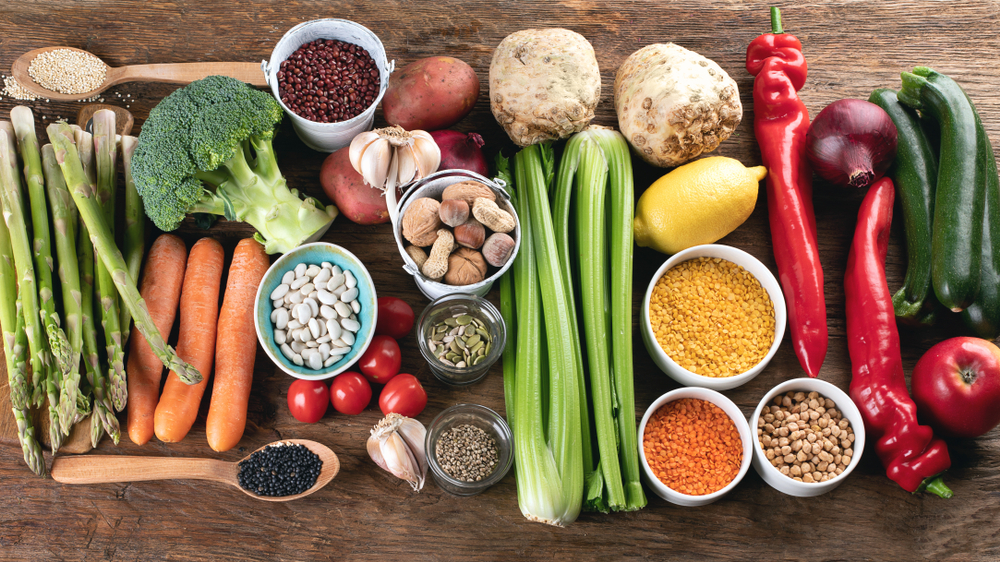
Patients do not need a physician who can win a micronutrient spelling bee. They need a clinician who understands the broad evidence behind healthy dietary patterns. Current U.S. and cardiovascular guidance emphasizes patterns built around vegetables, fruits, whole grains, legumes, nuts, healthier fats, and appropriate protein sources while limiting added sugars, excess sodium, and heavily processed foods. That approach is more useful than arguing about whether one villainous ingredient is secretly ruining civilization.
2. Nutrition Advice Must Fit Real Life
A patient with three jobs, limited transportation, and a tiny grocery budget cannot be counseled like a celebrity chef with a farmhouse market down the road. Doctors need training in how culture, income, neighborhood food access, cooking confidence, language, and family habits shape eating behavior. Otherwise, advice sounds polished but impractical. “Eat wild salmon and ancient grains” may be nutritionally respectable, but it is not much help if the patient is standing in a convenience store aisle deciding between what is affordable and what their children will actually eat.
3. Counseling Is a Clinical Skill
Good nutrition counseling is not lecture mode. It uses clear language, brief goals, motivational interviewing techniques, and follow-up. A doctor should be able to ask what a patient usually eats, identify one or two high-impact changes, explain why those changes matter, and revisit progress without sounding like a disappointed gym teacher. This is especially important in primary care, where five realistic changes beat one heroic and unsustainable meal plan every single time.
4. Doctors Need to Know When to Refer
This part is crucial. Physicians do not need to do everything themselves. They need to know when specialized support will help. Registered dietitian nutritionists provide evidence-based medical nutrition therapy for chronic disease management, prevention, and recovery. A well-trained doctor should know when to refer for diabetes education, kidney disease counseling, gastrointestinal issues, weight management support, oncology nutrition, prenatal nutrition, and more. Good care is team-based, not ego-based.
5. Nutrition Has to Be Tied to Labs, Medications, and Disease States
Clinical nutrition is not just “eat healthy.” It includes sodium restriction in hypertension, carbohydrate strategy in diabetes, fiber and fat guidance in lipid management, protein considerations in kidney disease, symptom-targeted eating in gastrointestinal disorders, and awareness of deficiencies, malabsorption, and medication effects. Doctors need to understand how food affects disease, but also how disease affects food choices and nutritional needs. That is where nutrition stops being lifestyle fluff and starts acting like medicine.
What Better Nutrition Education Should Look Like
First, nutrition should be longitudinal, not a one-off lecture squeezed between renal physiology and the annual coffee shortage. Students should encounter it repeatedly in basic science, clinical skills training, clerkships, and residency. If a future physician learns nutrition once in year one and never sees it again, the message is obvious: interesting, maybe, but not essential. That is the wrong message.
Second, training should be case-based and clinically grounded. Teach nutrition through hypertension, diabetes, fatty liver disease, heart failure, pregnancy, pediatrics, cancer care, and geriatrics. Show how dietary counseling changes management plans. Use real food examples, label reading, sample patient conversations, and common barriers. In other words, make it useful on Tuesday morning, not just correct on an exam.
Third, schools should build interprofessional education with dietitians and other nutrition experts into the curriculum. That improves evidence quality and helps future physicians learn when and how to collaborate. It also prevents the classic medical mistake of assuming that reading three slides about food equals mastery. Spoiler: it does not.
Fourth, education should continue after graduation. Practicing physicians need high-quality continuing medical education in nutrition because science evolves, guidelines update, and patient needs change. The recent push by major U.S. medical organizations and institutions to strengthen nutrition competencies shows that momentum is finally building. Good. It is about time.
This Is Not About Replacing Dietitians
Some people hear “doctors need more nutrition education” and immediately worry that the role of dietitians will be diluted. It should be the opposite. Better physician education should increase referrals, not replace specialists. A well-trained doctor recognizes the value of registered dietitian nutritionists sooner, explains referrals more convincingly, and works more effectively as part of a care team.
The smartest model is simple: physicians need enough nutrition competence to screen, prioritize, counsel briefly, integrate nutrition into treatment decisions, and refer appropriately. Dietitians bring deeper expertise in assessment, behavior change, personalized meal planning, medical nutrition therapy, and long-term follow-up. That is not overlap to fear. That is collaboration to celebrate.
The Payoff Could Be Huge
If doctors were better trained in nutrition, patient care would improve in small ways and big ways. More patients with elevated blood pressure would hear practical sodium guidance instead of generic warnings. More people with prediabetes would get timely counseling before diabetes becomes their permanent plus-one. More patients with obesity would experience respectful, individualized support instead of shame wrapped in medical vocabulary. More referrals to dietitians would happen earlier. More treatment plans would make sense in kitchens, grocery stores, and family routines, not just in clinic notes.
Health systems would benefit too. Better prevention and better chronic disease management can mean fewer complications, better quality metrics, and more realistic patient education. Nutrition is not a magic wand, but it is a powerful lever. Medicine should stop treating it like garnish.
Experiences From the Real World: Why This Topic Keeps Coming Up
The strongest argument for better nutrition education is not abstract policy language. It is what happens in everyday care. Consider the common experience of a first-year resident seeing a patient with newly diagnosed hypertension. The resident knows the medication algorithm, can recite side effects, and can order the labs without blinking. Then the patient asks, “What should I change in my meals?” Suddenly the room gets awkward. The resident offers a rushed warning about salt, maybe says something about avoiding processed food, and moves on. Nothing technically wrong happened, but a huge opportunity was missed. That is exactly the kind of moment nutrition education should prepare doctors for.
Then there is the primary care visit with a patient whose A1C keeps creeping up. The patient is not uninterested. The patient is confused. One website says fruit is wonderful. Another says fruit is dessert in disguise. A coworker swears by cutting all carbs. A relative is pushing supplements with the confidence of a late-night infomercial host. The physician does not need to settle every nutrition debate in human history. But the physician should be able to explain that quality, portions, meal patterns, and sustainability matter more than internet drama. That kind of calm, evidence-based guidance can lower anxiety and improve follow-through.
Doctors also run into nutrition questions during discharge planning. A patient with heart failure may be sent home with instructions to limit sodium, but what does that actually mean when most sodium comes from restaurant meals, packaged foods, breads, soups, sauces, and convenience items? If the doctor understands how patients really eat, the advice becomes more concrete. Read labels. Watch canned and packaged foods. Be careful with takeout. Choose lower-sodium options when possible. Involve a dietitian early. Suddenly, the plan sounds less like a scolding and more like help.
Experienced physicians often describe another pattern: once they learn more about nutrition, patient conversations become better almost immediately. Not because they become diet gurus, but because they ask better questions. What does breakfast look like for you? Who buys groceries in your home? How often do you eat out? Are you trying to manage blood sugar, blood pressure, weight, stomach symptoms, or all of the above? What changes feel realistic this month? Those questions build trust. They also produce useful clinical information, which is kind of the whole point.
Patients notice the difference. They can tell when a doctor is giving canned advice and when a doctor actually understands the role of food in health. They also remember when a physician treats nutrition with respect instead of rolling their eyes like the topic wandered in from a yoga retreat. Better nutrition education does not make medicine softer. It makes medicine sharper, more practical, and more responsive to the problems patients live with every day.
Conclusion
Doctors need to learn more about nutrition because modern medicine is drowning in chronic disease and nutrition is one of the most modifiable factors in that story. The evidence is clear, the patient demand is real, and the training gap has lingered for too long. Physicians do not need to become full-time nutrition specialists, but they do need stronger core knowledge, better counseling skills, and clearer referral habits. If medical education wants to prepare doctors for the illnesses they actually treat every day, nutrition can no longer be treated like an elective side dish. It belongs in the center of the plate.