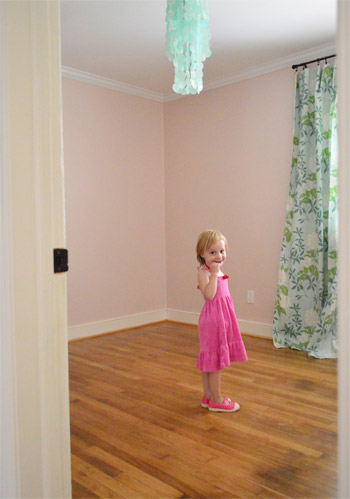
Some rooms are just rooms. They hold beds, socks, books, a suspicious number of tiny plastic animals, and at least one crayon that has somehow fused with the baseboard. But then there are rooms like Clara’s roomthe kind that quietly becomes a scrapbook with walls. A child’s bedroom can hold first birthdays, bedtime negotiations, rainy-day craft explosions, growth spurts, favorite pajamas, and the kind of laughter that makes parents stop in the hallway just to listen.
Saying goodbye to Clara’s room is not simply about packing boxes or taking one last photo before the moving truck growls in the driveway. It is about honoring a season of family life while making room for the next one. Whether Clara is a toddler moving into a bigger bedroom, a child leaving a beloved nursery, or a family saying farewell to a home altogether, the emotional weight is real. And yes, the emotional weight may be hiding under a pile of stuffed animals.
This guide explores how to say goodbye to a child’s room with tenderness, practicality, and a little humor. We will look at memory keeping, decluttering, child-friendly transitions, room design lessons, and the surprisingly powerful act of closing a bedroom door one last time.
Why Clara’s Room Matters More Than the Paint Color
A child’s room is often the first place in a house that becomes truly personal. Adults may debate cabinet hardware and sofa fabric for months, but a child can claim a room in six minutes flat with a blanket fort and one glitter sticker. Clara’s room matters because it represents identity, routine, comfort, and belonging.
For young children, familiar spaces help create emotional security. The same window, the same night-light, the same corner where books are read before bedthese details become part of daily rhythm. When a family moves or redesigns a room, the change can feel much bigger to a child than adults expect. To grown-ups, it may be “just a new room.” To Clara, it may feel like saying goodbye to the place where her stuffed bunny had a full-time residence and excellent health benefits.
That is why the farewell deserves attention. Not drama, not a three-act musical, but a thoughtful pause. When parents acknowledge that a room mattered, children learn that their feelings matter too. They also learn that change does not erase memories. It simply gives them a new address.
The Emotional Side of Saying Goodbye
Moving, redecorating, or transitioning from a nursery to a big-kid room can stir up mixed feelings. A child may be excited one minute and clingy the next. Parents may feel proud of how much their child has grown, then suddenly become emotional over a tiny handprint on the wall. This is normal. Homes are emotional containers, and children’s rooms are often where family memories are stored most densely.
Give the Goodbye a Name
Children often cope better with change when adults describe what is happening clearly. Instead of rushing through the process, try saying: “We are saying goodbye to this room because we are getting ready for our next home,” or “This room has been special, and now we are going to make a new special room.” Simple language makes change feel less mysterious.
Avoid pretending the move is no big deal if it clearly feels like a big deal. Kids are tiny emotional detectives. They can sense when adults are teary while insisting, “Everything is totally fine,” with the facial expression of someone who just found out the coffee machine broke.
Create a Goodbye Ritual
A goodbye ritual can be sweet and simple. Walk through the room together. Talk about favorite memories. Take photos of the bed, the closet, the reading corner, and even the weird spot where the rug never stayed flat. Let Clara say goodbye out loud if she wants to. She may say, “Bye, room,” or she may say, “Bye, ceiling fan.” Both are valid. Ceiling fans have seen things.
Some families take a final photo in the empty room. Others make a small video tour. Another lovely idea is to write a short note to the room: “Thank you for holding bedtime stories, birthday mornings, and one very determined attempt to keep a frog in a shoebox.” Rituals give children a sense of closure and help parents slow down long enough to feel the moment.
How to Preserve the Memories Without Keeping Everything
One of the hardest parts of saying goodbye to Clara’s room is deciding what to keep. Children’s rooms collect memories at an alarming rate. Artwork, birthday cards, tiny shoes, school projects, dress-up crowns, first drawings, old bedding, and small toys can all feel meaningful. But if everything is special, the moving boxes may require their own zip code.
Make a Clara’s Room Memory Box
A memory box is one of the easiest ways to preserve the feeling of a room without saving every single item from it. Choose a sturdy box and include a curated selection of objects that tell the story of the space. Good options include a favorite bedtime book, a small piece of artwork, a photo of the room, a note about favorite routines, a fabric swatch from curtains or bedding, and one small toy that truly represents that stage of childhood.
The key is to keep meaning, not volume. A memory box should feel like opening a little time capsule, not like losing a wrestling match with a storage closet.
Photograph the Details
Photos are powerful because they preserve the visual story while freeing you from keeping every physical object. Take pictures of Clara standing in the doorway, sitting on the bed, opening the closet, or pointing to her favorite wall art. Photograph the messy version too. Real rooms are not showroom displays. The pile of books next to the bed and the slightly crooked art are part of the charm.
Before packing, photograph special arrangements: the bookshelf, the dresser top, the gallery wall, the reading nook, the stuffed animal lineup that apparently operates under strict seniority rules. These images can later become a small printed album or digital folder titled “Clara’s Room.”
Save the Stories Behind the Objects
Objects matter most because of the stories attached to them. Instead of saving every craft project, choose a few and write short notes about them. “Clara made this rainbow during a week when she wore rain boots every day, indoors and out.” That note may become more meaningful than the paper itself. Memory keeping is not just storage; it is storytelling.
Decluttering Clara’s Room Without Starting a Family Rebellion
Decluttering a child’s room can go sideways quickly if the process feels like a sneak attack. Children often attach meaning to objects adults see as clutter. A broken plastic bracelet may look like trash to you, but to Clara it may be “the bracelet from the day the ice cream fell on Dad’s shoe.” Clearly, a historical artifact.
Use Simple Categories
Instead of asking a child to make complicated decisions, use easy categories: keep, donate, recycle, trash, and memory box. For younger children, keep the sessions short. Ten or fifteen minutes can be more productive than an hour-long marathon that ends with everyone emotionally attached to a dried-out marker.
Start with low-emotion items such as outgrown clothes, broken toys, or duplicate art supplies. Save sentimental items for later, when the room already feels more manageable.
Let Clara Make Some Choices
Giving children a voice can reduce anxiety. Ask questions like, “Which three stuffed animals should ride with us in the car?” or “Which picture should go in your memory box?” This helps Clara feel involved rather than swept along by adult decisions.
Parents can still set boundaries. For example, “We have space for one box of dress-up clothes,” is clearer than “Choose what you want,” which may result in packing a feather boa, three tutus, and a pirate hat that no one has seen since 2021.
Donate With Purpose
Donation can feel easier when children understand that their things may help another child. Frame it positively: “You loved this toy, and now another kid can love it too.” This teaches generosity and keeps decluttering from feeling like loss. It also gives forgotten toys a second career, which is more than most retired plastic dinosaurs can hope for.
Design Lessons From Clara’s Room
When a family says goodbye to a beloved room, it is also a chance to notice what worked. Maybe Clara loved the low bookshelf because she could choose her own books. Maybe the soft rug became the center of play. Maybe the closet system looked beautiful but required adult-level folding skills, which Clara respectfully declined to develop.
Function Beats Perfection
Children’s rooms need to support real life. A beautiful bedroom that cannot handle laundry, toys, books, and bedtime chaos will not stay beautiful for long. The best kids’ rooms usually have zones: sleep, play, reading, clothing, and storage. Each zone should be easy for a child to understand.
Low hooks, open bins, labeled baskets, and reachable shelves encourage independence. If children can put things away without needing a stepladder, a committee meeting, or a parent muttering “Where does this even go?” the room has a better chance of staying organized.
Personality Can Be Flexible
Clara’s favorite color today may not be her favorite color next year. Children grow quickly, and their rooms should be able to grow with them. Instead of making every major feature theme-specific, use flexible basics for furniture and walls, then add personality through bedding, art, pillows, lamps, decals, and accessories.
This approach makes future changes easier. A room can shift from butterflies to outer space to cozy reading retreat without requiring a full renovation or a second mortgage on unicorn wallpaper.
Storage Should Be Honest
Every child’s room needs storage, but not fantasy storage. Be honest about what the child owns and how the family actually lives. If Clara has many books, create book storage that can handle them. If art supplies multiply like cheerful little gremlins, give them a defined home. If stuffed animals are the dominant life-form in the room, use baskets, hammocks, or shelves so they are contained but still loved.
Helping Clara Love the Next Room
Saying goodbye becomes easier when there is something to look forward to. The next room does not have to be bigger, fancier, or Pinterest-ready. It simply needs to feel like Clara belongs there.
Bring Familiar Items First
Set up the most comforting items early: bedding, favorite books, night-light, stuffed animals, and familiar artwork. These pieces act like emotional anchors. Even in a new space, the bedtime routine can feel recognizable.
If possible, let Clara help decide where a few things go. She might choose the reading corner or pick which wall gets her favorite picture. Small decisions can create a big sense of ownership.
Keep Routines Steady
During a move or room transition, routines matter. Bedtime stories, morning snuggles, songs, and weekend pancakes can reassure children that family life is still intact, even if the furniture is currently arranged in a way that suggests a raccoon unpacked it.
Try to keep bedtime predictable during the first weeks in the new room. Expect some extra questions, extra visits, or extra requests for water. A new room can be exciting in daylight and suspiciously mysterious after dark.
Celebrate the New Chapter
Once the new room is ready, celebrate it. Have a first-night story party, hang a small welcome sign, or let Clara choose a new pillowcase. The goal is not to replace the old room immediately. The goal is to help the new room begin collecting its own memories.
When Parents Are the Ones Having the Hardest Time
Sometimes children adjust faster than parents do. Clara may be thrilled about the next adventure while her parents are staring at the empty room remembering tiny socks, first steps, and the night she asked for one more story four times in a row. Saying goodbye to a child’s room can feel like saying goodbye to a younger version of that child.
Parents should give themselves permission to feel sentimental. Take the photos. Save the note. Stand in the doorway for a minute. Remember that grief and gratitude often show up together. You can be excited for what comes next and still miss what came before.
The room did its job. It sheltered growth. It held ordinary days that turned into treasured memories. It watched Clara become more herself. That is worth honoring.
Practical Checklist for Saying Goodbye To Clara’s Room
Before Packing
Take photos and videos of the room as it is. Let Clara choose favorite items to keep nearby during the move. Sort belongings into simple categories and create a memory box. Write down a few favorite stories from the room before the details blur.
During Packing
Pack comfort items last so they remain available. Label boxes clearly, especially bedding, books, and bedtime essentials. Let Clara decorate a box with stickers or markers if she wants to feel involved. Keep one “first night” bag with pajamas, toothbrush, night-light, and favorite stuffed animal.
After Moving
Set up the sleep area first. Add familiar objects before buying new decor. Keep routines steady, and let the room evolve slowly. A new room does not need to be perfect on day one. In fact, day-one perfection is suspicious. Real family rooms need time to become loved.
Experiences Related to Saying Goodbye To Clara’s Room
Many families discover that saying goodbye to a child’s room feels surprisingly physical. You expect the big emotions to arrive when the moving truck pulls away, but sometimes they show up while removing glow-in-the-dark stars from the ceiling. One star refuses to come off, and suddenly you are remembering the night Clara insisted the moon was following the car home. This is how rooms work. They hide memories in the smallest places.
One common experience is the “empty room echo.” After the bed is gone and the curtains are down, the room sounds different. Footsteps bounce. Voices feel too loud. Parents often stand there and realize the room was never just square footage. It was the stage for thousands of tiny scenes: Clara learning to zip pajamas, Clara building a block tower with the seriousness of an architect, Clara declaring she was not tired while slowly falling asleep mid-sentence.
Another experience is the child’s unexpected reaction. Adults may prepare for tears, only to find Clara happily sitting in a box pretending it is a rocket ship. Or the opposite may happen: Clara seems fine all week, then cries because the wall hooks are gone. Children process change in waves. A goodbye ritual helps, but so does patience. The emotions may not follow the moving schedule, because feelings are famously bad at respecting logistics.
Parents also learn that memory keeping requires editing. At first, every object seems essential. The tiny dress, the preschool painting, the chipped tea set, the birthday banner, the cardboard crowneach one whispers, “Surely you have room for me.” But keeping everything can make memories feel heavy. Choosing a few special pieces allows the story of Clara’s room to stay bright instead of buried.
There is also relief. This part can surprise people. Saying goodbye to a room may bring sadness, but it can also bring a sense of freshness. The new room offers a chance to design better systems, make space for current interests, and let go of things that no longer fit. Maybe Clara has outgrown the toddler shelf. Maybe she needs a homework nook, a bigger bed, or more room for art. Growth is bittersweet, but it is also beautiful.
And then, slowly, the next room begins to work its magic. The first bedtime feels strange. The second feels easier. A new drawing goes on the wall. A familiar blanket lands on the bed. Books stack up on the nightstand. The room starts collecting its own sounds, jokes, and routines. One day, without announcing itself, the new room becomes Clara’s room too.
Conclusion: Goodbye Is Also a Thank You
Saying goodbye to Clara’s room is not about freezing childhood in place. It is about pausing long enough to appreciate a room that held a meaningful chapter. The walls may be repainted, the boxes may be loaded, and the furniture may move on, but the memories do not vanish. They travel with the familyin photos, in stories, in saved treasures, and in the way Clara carries confidence from one space into the next.
A child’s room is a little world. Saying goodbye to it can feel tender, funny, messy, and deeply human. So take the picture. Save the best drawing. Laugh at the mystery sticker on the baseboard. Thank the room for what it gave your family. Then open the door to what comes next.
Note: This article synthesizes practical guidance from reputable U.S. home design, organizing, parenting, moving, and child-development resources. Source links have been intentionally omitted for clean web publication.