Note: This article is for educational purposes only. It should not replace medical advice, diabetes education, or medication decisions made with your healthcare provider. Glucose numbers are useful; your care team helps turn them into a safe plan.
Choosing between a blood glucose meter and a continuous glucose monitor can feel like standing in the cereal aisle at 7 a.m.: too many boxes, too many claims, and somehow every option promises to change your life. A traditional blood glucose meter gives you a snapshot of your blood sugar at one moment. A continuous glucose monitor, or CGM, gives you a moving picture of glucose patterns across the day and night.
So which one is better? The honest answer is: the better device is the one that fits your diabetes type, treatment plan, budget, comfort level, and daily routine. For some people, a CGM is a game-changer. For others, a reliable glucose meter is enough. And for many people, the best answer is not “either/or” but “both, used wisely.”
This guide breaks down meters versus CGMs in plain English, with practical examples to help you decide what belongs in your diabetes toolkit.
What Is a Blood Glucose Meter?
A blood glucose meter, often called a glucose meter or glucometer, checks your blood sugar using a small drop of blood, usually from a fingertip. You insert a test strip into the meter, apply the blood sample, and get a number within seconds.
The big advantage is simplicity. A meter is direct, familiar, portable, and usually less expensive upfront than a CGM. It is also the backup device every person using a CGM should still keep around. Even the fanciest glucose sensor can have an off day, just like the rest of us.
Best reasons to choose a meter
A blood glucose meter may be the right choice if you only need occasional checks, have type 2 diabetes managed with lifestyle changes or oral medication, want a lower-cost option, or prefer not to wear a sensor on your body. Meters are also useful when you need to confirm symptoms quickly. If you feel shaky, sweaty, confused, or unusually tired, a meter can help confirm whether your blood sugar is actually low or high.
What to consider before buying a meter
Not all meters are identical. Look at accuracy, test strip cost, insurance coverage, blood sample size, screen readability, memory storage, app connectivity, and ease of use. If you have vision challenges, a large display or spoken results may matter more than whether the meter looks sleek. Diabetes management is not a fashion show; your device needs to work when your hands are cold, your coffee is still brewing, and your brain is loading slowly.
What Is a CGM?
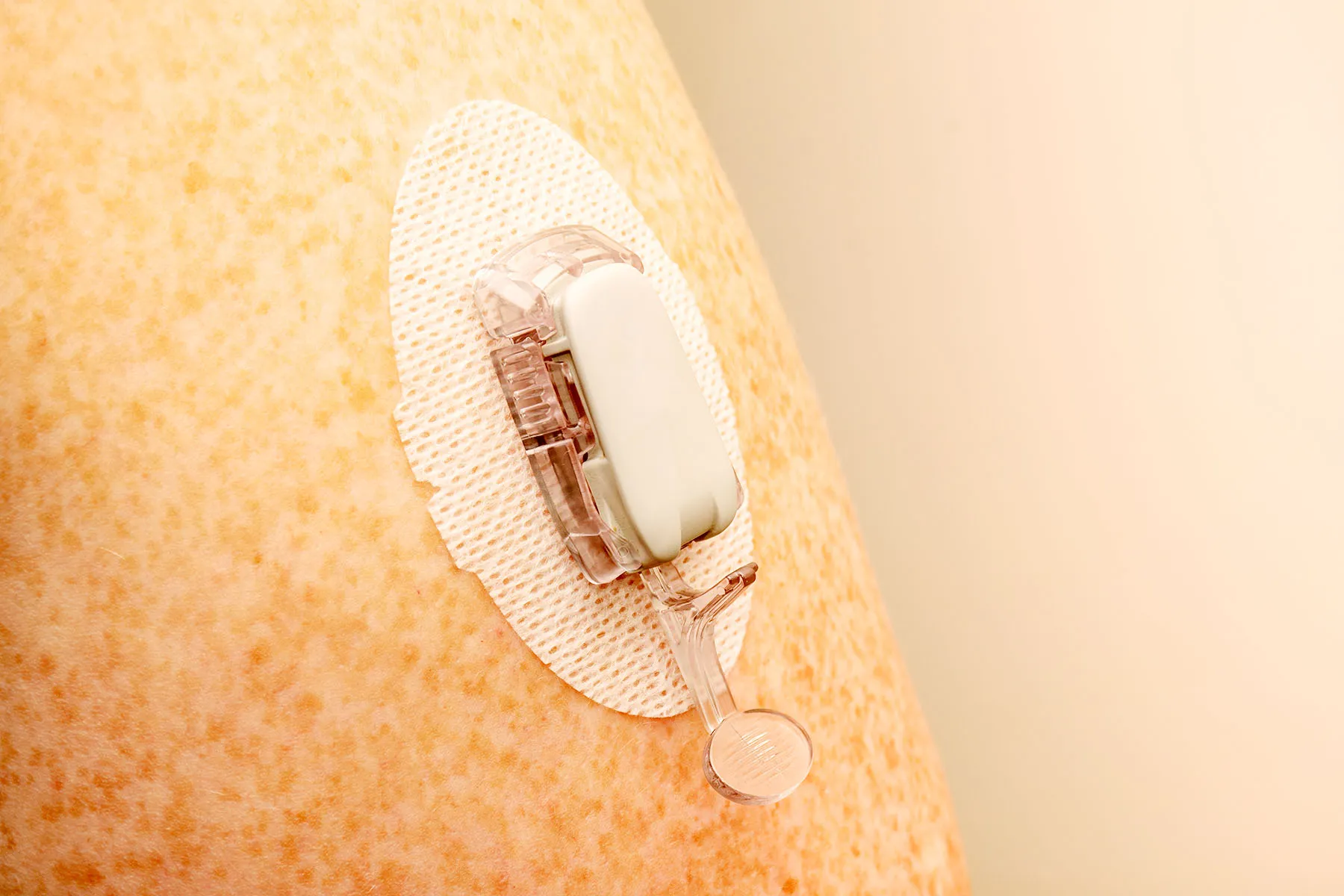
A continuous glucose monitor is a wearable device that estimates glucose levels throughout the day and night. Most CGMs use a small sensor placed under the skin, commonly on the arm or abdomen. The sensor measures glucose in interstitial fluid, which is the fluid between cells, and sends readings to a smartphone app, receiver, or compatible insulin pump.
Instead of seeing one number at one moment, you can see trends. Is your glucose rising after lunch? Dropping during exercise? Climbing quietly overnight? A CGM turns those mysteries into patterns. It is like switching from a single photo to a movie, except the movie is called “What Happened After I Ate That Bagel?”
Best reasons to choose a CGM
A CGM may be especially helpful if you use insulin, have type 1 diabetes, have type 2 diabetes with frequent lows or highs, experience hypoglycemia unawareness, test often, or struggle to understand why your A1C is not matching your daily habits. CGMs can also help people and clinicians evaluate time in range, glucose variability, overnight patterns, meal responses, and medication effects.
Common CGM features
Depending on the model, a CGM may provide real-time readings, trend arrows, high and low glucose alerts, shareable reports, food and activity logging, and integration with insulin pumps or smart pens. Some systems update automatically, while others require scanning. Some are prescription devices, while newer over-the-counter options are available for certain people who do not use insulin.
Meters vs CGMs: The Key Differences
| Feature | Blood Glucose Meter | Continuous Glucose Monitor |
|---|---|---|
| How it measures | Uses a drop of blood on a test strip | Uses a sensor to estimate glucose in interstitial fluid |
| Type of data | One reading at a time | Ongoing readings and trends |
| Fingersticks | Required for each test | Often reduced, but sometimes still needed for confirmation |
| Alerts | Usually no real-time alerts | Many models offer high and low glucose alerts |
| Cost | Usually lower device cost, but strips add up | Usually higher ongoing sensor cost without coverage |
| Best for | Spot checks, affordability, confirmation, simple routines | Insulin users, glucose variability, overnight trends, frequent highs or lows |
When a Blood Glucose Meter Makes the Most Sense
A meter may be enough if your glucose management is stable and your healthcare provider only recommends occasional checks. For example, someone with type 2 diabetes who takes metformin, eats consistently, exercises regularly, and has an A1C in target range may not need continuous data every five minutes. In that case, checking fasting glucose, occasional post-meal glucose, or readings during symptoms may provide enough useful information.
Meters also make sense for people who want a simple, no-subscription tool. There are no sensors to attach, no adhesive to irritate skin, no phone compatibility drama, and no alarm yelling at you during a movie. You test, get the number, record it if needed, and move on.
A meter is also essential for backup. If a CGM reading does not match how you feel, a fingerstick check can help confirm what is happening. This is especially important before treating a suspected low, correcting a high, driving, exercising, or making medication decisions.
When a CGM May Be the Better Choice
A CGM becomes more valuable when glucose changes quickly, unpredictably, or dangerously. If you use insulin, especially mealtime insulin or an insulin pump, trend arrows can help you understand not only where your glucose is now but where it may be heading. A reading of 110 mg/dL means something different if it is flat compared with dropping fast.
CGMs are also helpful for people who have hypoglycemia unawareness. That means blood sugar can fall too low without the usual warning signs. In those cases, alerts may provide an extra layer of safety, especially overnight. Nobody wants to play “Guess My Glucose” at 3 a.m.
CGM data can also reveal patterns that fingersticks may miss. A person may test before breakfast and dinner and see decent numbers, while a CGM shows big post-lunch spikes or overnight lows. Those patterns can guide changes in meal timing, medication, exercise, or insulin dosing under professional guidance.
Do CGMs Replace Fingersticks?
Not completely. Many modern CGMs are factory-calibrated and can reduce the need for routine fingersticks. However, fingerstick checks may still be needed when symptoms do not match sensor readings, when the device is warming up, when glucose is changing rapidly, when a sensor seems inaccurate, or when your healthcare provider recommends confirmation before treatment decisions.
Think of the CGM as the weather radar and the meter as stepping outside to see if it is actually raining. Usually, the radar is helpful. Sometimes, you still need to look out the window.
Accuracy: What You Need to Know
Blood glucose meters and CGMs are both useful, but neither is magic. Meter accuracy can be affected by expired test strips, poor strip storage, dirty hands, insufficient blood sample, dehydration, anemia, altitude, temperature, or certain substances. Washing and drying your hands before testing is not just “extra credit.” It can change the result.
CGM accuracy can be affected by sensor placement, pressure on the sensor while sleeping, early sensor wear time, rapid glucose changes, dehydration, and certain medication interferences depending on the device. Because CGMs measure interstitial fluid rather than blood, readings may lag behind blood glucose when levels are rising or falling quickly.
The practical rule is simple: trust patterns, but verify surprises. If your CGM says you are low and you feel perfectly fine, check with a meter. If your meter gives a strange number after you handled fruit, wash your hands and test again. Diabetes technology is smart, but it still appreciates clean fingers and common sense.
Cost and Insurance: The Real-World Decider
Cost often decides the matter before personal preference gets a vote. A basic meter may be inexpensive, but test strips can become costly if you test several times a day. CGMs may cost much more without insurance, especially because sensors must be replaced regularly.
Many private insurance plans, Medicare, and Medicaid programs cover CGMs for people who meet certain criteria, such as using insulin or having a history of significant hypoglycemia. Coverage rules vary, so the smartest move is to check your plan, ask your provider to document medical necessity, and compare pharmacy versus durable medical equipment benefits. Sometimes the same device has different out-of-pocket costs depending on how it is billed.
Lifestyle Questions to Ask Before Choosing
1. How often do you need glucose information?
If you need only occasional checks, a meter may be enough. If you need frequent decisions around insulin, meals, exercise, or lows, a CGM may offer better visibility.
2. Do you want alerts?
If overnight lows, rapid drops, or unpredictable highs are a concern, CGM alerts can be valuable. If alerts make you anxious or you do not need them, a meter may feel calmer.
3. Are you comfortable wearing a device?
Some people forget the CGM is there. Others dislike adhesives, visible sensors, or the feeling of being constantly monitored. Comfort matters because the best device is one you will actually use.
4. Do you like data?
CGMs create lots of data. For some people, that is empowering. For others, it feels like being graded by a tiny robot on their arm. If more data motivates healthy choices, great. If it creates panic over every normal rise after a meal, talk with your care team about how to interpret results.
5. What does your treatment plan require?
People using insulin often benefit from more frequent glucose information. People managing diabetes with lifestyle changes or non-insulin medications may need less intensive monitoring, though a short-term CGM trial can still be useful for learning personal patterns.
Who Might Benefit From Using Both?
Many people use a CGM as the main monitoring tool and a meter as the safety check. This combination is especially useful for insulin users, people with frequent lows, athletes with diabetes, pregnant people with diabetes under medical supervision, and anyone whose treatment decisions depend on accurate glucose readings.
Using both does not mean you failed to choose. It means you built a smarter system. The CGM shows trends; the meter confirms questionable moments. Together, they can help you and your healthcare provider make better decisions.
What About People Without Diabetes?
Over-the-counter CGMs have made glucose tracking more available to people with prediabetes, people with type 2 diabetes who do not use insulin, and some health-focused consumers. For people without diabetes, the value is more complicated. A CGM may show how meals, sleep, stress, and exercise affect glucose, but normal glucose rises after eating are not automatically a problem.
If you do not have diabetes, prediabetes, or a medical reason to monitor glucose, a CGM is not a shortcut to perfect health. It may provide interesting feedback, but it can also create unnecessary worry. Before spending money on continuous glucose data, ask what decision the data will help you make. If the answer is “I want to feel morally superior to pasta,” save your money and eat balanced meals.
Decision Guide: Choose a Meter If…
- You need occasional glucose checks rather than constant data.
- Your diabetes is stable and your provider recommends limited testing.
- You want the most affordable monitoring setup.
- You dislike wearing devices or adhesives.
- You need a backup tool for confirming CGM readings.
- You prefer simple numbers without apps, alerts, and graphs.
Decision Guide: Choose a CGM If…
- You use insulin or an insulin pump.
- You have frequent lows, highs, or glucose swings.
- You have hypoglycemia unawareness.
- You want alerts for rising or falling glucose.
- You need overnight glucose information.
- You want to understand meal, exercise, stress, and medication patterns.
- Your healthcare provider wants time-in-range data to adjust your plan.
Real-World Experiences: What the Choice Feels Like
In real life, the decision between meters and CGMs is rarely made on a perfectly organized spreadsheet. It usually happens in a kitchen, a pharmacy line, a doctor’s office, or at 2 a.m. when someone is wondering whether that shaky feeling is low blood sugar or just the ghost of yesterday’s coffee.
One common experience comes from people who start with a meter and feel perfectly satisfied. They like the control. They test before breakfast, after a new meal, or when they feel “off.” The meter gives them a clear number without turning the entire day into a graph. For someone with stable type 2 diabetes, this can feel practical and peaceful. They do not need a sensor on their arm to tell them that a giant cinnamon roll has consequences. The meter confirms patterns, supports accountability, and keeps monitoring simple.
Another experience is almost the opposite. A person using insulin may test several times a day and still feel like important information is missing. Their morning number looks fine, but their A1C is higher than expected. Or they wake up tired and wonder whether glucose dropped overnight. After trying a CGM, they suddenly see the full story: a post-dinner spike, a 4 a.m. dip, or a steady rise after a stressful work meeting. The reaction is often, “Why did no one show me this movie before?” For these users, CGM data can reduce guesswork and make conversations with clinicians more specific.
Then there are people who love the information but struggle with the emotional side of constant data. A CGM can be empowering, but it can also be noisy. Trend arrows, alerts, and graphs may make someone feel watched by a tiny medical supervisor with no chill. For these users, success often depends on training: learning which changes matter, which spikes are normal, when to respond, and when to stop staring at the app like it owes you money.
Skin comfort is another real-world issue. Some users barely notice a CGM sensor. Others deal with adhesive irritation, sensors catching on doorframes, or the awkward moment when a stranger asks, “What is that thing on your arm?” Confidence grows with practice, better placement, adhesive patches, and a good explanation ready to go: “It tracks my glucose.” No speech required.
Many people eventually land on a hybrid approach. They use a CGM for trends and a meter for confirmation. They learn that technology does not replace body awareness; it sharpens it. The best experience is not about owning the newest device. It is about feeling safer, making better decisions, and spending less time guessing what blood sugar is doing behind the curtain.
Conclusion: Match the Tool to the Job
The meters-or-CGMs debate is not a contest where one device wins forever and the other goes home wearing a sad little sash. A blood glucose meter is affordable, direct, and essential for confirmation. A CGM provides trends, alerts, and deeper insight into how glucose behaves across daily life. The right choice depends on your diabetes type, medications, risk of hypoglycemia, data needs, insurance coverage, comfort with wearable technology, and personal preference.
If your glucose management is simple and stable, a meter may do the job beautifully. If you use insulin, have unpredictable glucose swings, need alerts, or want to understand patterns, a CGM may be worth discussing with your healthcare provider. And if you choose a CGM, keep a meter nearby. Even high-tech diabetes care still benefits from a humble fingerstick now and then.