New flooring has a funny way of starting as a simple decorating project and ending with a calculator, three contractor estimates, and an uncomfortable conversation about the subfloor. The advertised price of a plank, tile, or square yard of carpet is important, but it rarely tells you what the finished floor will actually cost.
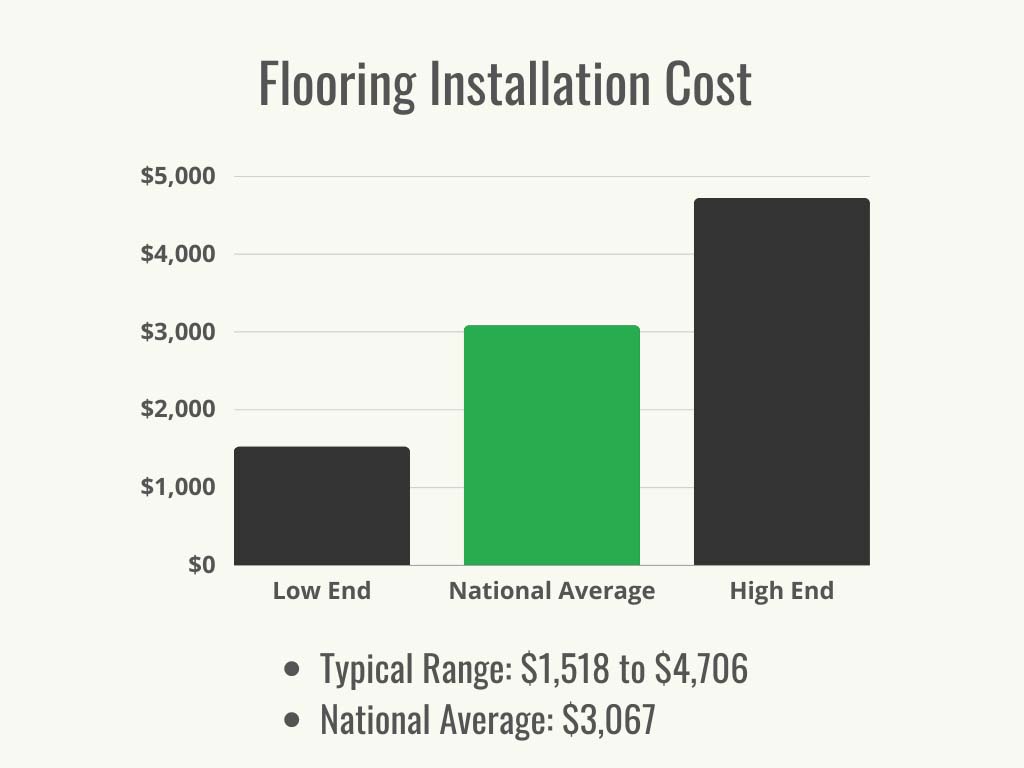
For homeowners planning a flooring replacement, a reasonable national budgeting range is roughly $4 to $15 per square foot installed for many common flooring projects. A typical 500-square-foot project might therefore land around $2,000 to $7,500, although premium hardwood, stone, complicated tile work, or major subfloor repairs can push the total considerably higher. Current U.S. cost guides consistently show that material choice, labor rates, demolition, preparation, and room complexity are the biggest variables.
This homeowner budget guide explains what drives flooring installation costs, what popular flooring types typically cost, which extras commonly ambush a renovation budget, and where it actually makes sense to save money.
How Much Does Flooring Installation Cost?
There is no single useful answer to “How much does new flooring cost?” without also asking what material is being installed, how large the room is, what condition the existing floor is in, and whether the installer discovers anything unpleasant underneath it.
For broad planning purposes, current national estimates commonly place professional flooring installation in the following ranges:
| Flooring Type | Typical Installed Cost per Sq. Ft. | Approximate Cost for 500 Sq. Ft. |
|---|---|---|
| Sheet or standard vinyl | $2–$10 | $1,000–$5,000 |
| Carpet | $2–$8+ | $1,000–$4,000+ |
| Laminate | $4–$14 | $2,000–$7,000 |
| Luxury vinyl plank or tile | $4–$16 | $2,000–$8,000 |
| Engineered hardwood | $7–$20 | $3,500–$10,000 |
| Solid hardwood | $11–$25 | $5,500–$12,500 |
| Ceramic or porcelain tile | $10–$30+ | $5,000–$15,000+ |
These are planning ranges rather than price guarantees. Current national guides differ because one estimate may include basic materials while another incorporates higher-quality products, regional labor differences, or more extensive preparation. Tile is especially variable because a straightforward ceramic floor and an intricate porcelain pattern are technically both “tile projects” but have very different labor requirements.
What Determines Your Flooring Installation Cost?
1. Square Footage
Floor area is the obvious starting point. Multiply the room’s length by its width to calculate square footage. For irregular rooms, divide the space into rectangles, calculate each section, and add the totals together.
But don’t order exactly that amount of flooring. Cuts, damaged pieces, pattern matching, closets, doorways, and future repairs require extra material. Consumer Reports recommends buying roughly 7 to 10 percent extra, while some complicated layouts can justify an even larger waste allowance.
So, if your measured area is 500 square feet, buying approximately 535 to 550 square feet is often more realistic than ordering exactly 500 and hoping every cut goes perfectly. Flooring has apparently never heard the phrase “measure twice, buy exactly once.”
2. Flooring Material
Material selection can alter the budget dramatically. Standard vinyl and basic carpet remain among the least expensive options, while solid hardwood, premium tile, marble, and specialty materials sit at the opposite end of the spectrum.
The price difference isn’t purely cosmetic. Premium materials may offer longer service life, better moisture resistance, improved wear layers, refinishing potential, or more convincing wood and stone textures.
That means the cheapest floor on installation day isn’t automatically the cheapest floor over 15 or 20 years.
3. Labor Costs
Flooring labor commonly costs several dollars per square foot and may represent a substantial portion of the total project. Current cost guides estimate that installation labor can account for roughly 40 to 60 percent of some projects, depending on flooring type and complexity. Simple click-lock flooring usually requires less labor than nailed hardwood or carefully laid tile.
Labor also varies by location. Installation in a high-cost metropolitan area may be considerably more expensive than comparable work in a smaller city.
4. Removal of Existing Flooring
If the old flooring has to leave before the new flooring can arrive, demolition becomes another line item.
Removing loose carpet can be fairly straightforward. Removing glued flooring, ceramic tile, multiple flooring layers, or flooring containing materials that require special handling can be far more expensive.
Ask whether a contractor’s quote includes removal, disposal, hauling, and cleanup. A beautifully low installation quote becomes less beautiful when demolition magically appears on the final invoice.
5. Subfloor Condition
This is where budgets occasionally go to cry.
A new floor needs a suitable surface underneath it. If installers uncover rot, moisture damage, major unevenness, loose panels, cracks, or structural problems, the subfloor may need repair or replacement before installation continues.
Angi’s 2026 cost guidance notes that substantial subfloor replacement can add thousands of dollars to a project. NerdWallet likewise notes that water-damaged, rotten, or mold-affected subfloor repairs can add significant expense to hardwood replacement projects.
A contingency fund is therefore particularly important in older homes or rooms with a history of leaks.
6. Underlayment and Moisture Protection
Underlayment can provide cushioning, sound control, vapor protection, insulation, or a smoother installation surface. Carpet generally requires padding, while laminate and floating vinyl products may use specialized underlayments depending on the product and existing subfloor.
Some flooring includes attached underlayment, but never assume that eliminates every preparation requirement. Manufacturer specifications matter, especially for warranties.
7. Room Shape and Installation Pattern
A rectangular bedroom is flooring installation on easy mode. Stairs, angled walls, narrow hallways, islands, floor registers, built-ins, fireplaces, closets, and complicated transitions create more cuts and additional labor.
Patterns also matter. Straight plank installation is generally faster than diagonal, chevron, parquet, or herringbone layouts. Elaborate tile designs can require substantially more labor because small errors remain visible long after everyone has forgotten what the contractor charged.
Flooring Cost by Material
Hardwood Flooring
Hardwood remains a premium flooring choice because of its appearance, longevity, and ability to be refinished. Current estimates vary widely, but homeowners can reasonably encounter installed hardwood flooring costs from roughly $6 to $25 per square foot, with wood species, grade, plank width, installation method, and location all influencing the final bill.
Domestic species such as oak and maple are generally more budget-friendly than exotic woods. Custom patterns and wide specialty planks can raise costs further.
Laminate Flooring
Laminate remains attractive to homeowners who want convincing wood visuals without hardwood prices. Current broad installed estimates commonly range from about $4 to $14 per square foot, though individual retailer packages may fall below or above that range.
The Home Depot, for example, lists an average laminate installation project range of about $3.80 to $4.80 per square foot for its service, illustrating why homeowners should compare actual local quotes rather than treating any national average as a guaranteed price.
Luxury Vinyl Plank and Luxury Vinyl Tile
LVP and LVT have become popular because they can imitate wood or stone while offering strong moisture resistance. Installed costs often fall around $4 to $16 per square foot, depending on thickness, wear layer, brand, installation method, and preparation.
Vinyl is especially practical for kitchens, bathrooms, laundry rooms, and basements where moisture resistance matters. Modern products can provide surprisingly realistic textures, although premium LVP can cost enough to overlap with lower-priced natural materials. turn283374search1turn283374news172turn330780search2
Tile Flooring
Tile has perhaps the widest pricing personality of all. Basic ceramic can be fairly economical, but porcelain, large-format tile, natural stone, intricate mosaics, leveling work, waterproofing, and complicated patterns can send the price sharply upward.
Professional tile labor alone can cost several dollars per square foot, with demanding installations going much higher. Bob Vila’s tile cost reporting has placed floor-installation labor around $5 to $14 per square foot in many projects, while other national guides show total tile installation frequently reaching double-digit costs per square foot. <span class="rese
Carpet
Carpet can provide one of the lowest entry prices for bedrooms and family spaces. The complete cost includes the carpet itself, padding, installation, transitions, removal of old carpet, and possibly stairs.
Depending on quality, broad installed costs may range from roughly $2 to $8 per square foot for common projects, while premium wool and specialty products can cost substantially more. <span class="rese
A Sample Flooring Budget
Imagine a homeowner replacing 500 square feet of aging flooring with midrange luxury vinyl plank.
- Flooring and standard installation: $3,500
- Old flooring removal and disposal: $500
- Minor subfloor leveling and repairs: $450
- Transitions and trim work: $250
- Furniture moving and miscellaneous materials: $150
- Contingency reserve: $500
Estimated working budget: $5,350.
The example demonstrates why multiplying a product’s shelf price by room square footage isn’t enough. A $2.99-per-square-foot plank does not produce a $2.99-per-square-foot completed floor unless elves are performing the removal, preparation, delivery, cutting, installation, and cleanup.
How to Save Money on Flooring Installation
Get Several Itemized Quotes
Compare at least three bids when practical. More importantly, compare what is included. One contractor may quote labor only, while another includes removal, underlayment, transitions, furniture moving, cleanup, and disposal.
A detailed $5,000 quote can easily be a better deal than a mysterious $4,100 quote followed by a parade of change orders.
Choose Flooring for the Room, Not Just the Showroom
Consumer Reports recommends matching materials to traffic, moisture, sunlight, and expected wear. Porcelain tile works well in wet and heavily used spaces, while hardwood is particularly attractive in living areas and bedrooms. Waterproof vinyl can be practical where spills or moisture are routine. <span class="rese
Buying an unsuitable floor because it was on sale is not savings if it has to be replaced prematurely.
Do Appropriate Prep Work Yourself
Some homeowners can reduce labor expenses by removing carpet, pulling baseboards, clearing rooms, or disposing of debris themselves. Lowe’s also identifies laminate, vinyl planks, vinyl tiles, carpet squares, and some interlocking engineered flooring as among the more DIY-friendly options. <span class="rese
But know where DIY should stop. Tile waterproofing, significant floor leveling, structural repairs, and expensive hardwood installation are poor places to learn through experimentation.
Buy Enough Material the First Time
Purchase the project material, waste allowance, and ideally a small amount for future repairs in one batch. Flooring colors and grain patterns can vary between production runs. Discovering three years later that your exact plank has been discontinued is an unnecessarily dramatic ending to a dishwasher leak.
How Much Should You Keep for Unexpected Costs?
A flooring renovation budget should contain some breathing room. For a straightforward project in a newer home with a known subfloor, a reserve of around 10 percent may be reasonable. Older properties, kitchens, bathrooms, basements, or homes with previous water problems may justify a larger contingency.
The most expensive surprise usually isn’t the flooring you can see. It’s whatever has been quietly happening underneath it.
Practical Homeowner Experiences: What Real Flooring Projects Teach You
The Cheapest Quote Is Rarely the Whole Story
A common homeowner experience begins with three estimates that appear impossible to compare. One contractor says $4,200. Another says $5,300. The third says $6,000. Naturally, the first one looks irresistible until the details are examined.
The $4,200 estimate may exclude furniture moving, old-floor disposal, quarter-round molding, door trimming, underlayment, and subfloor preparation. Once those services are added, the “cheap” quote may become the most expensive.
The practical lesson is simple: ask for an itemized scope. You want to know who removes the existing flooring, who hauls it away, what happens if the floor isn’t level, whether transitions are included, and how repairs are authorized. Comparing totals without comparing scopes is like comparing airline tickets while ignoring that one includes luggage and the other appears to charge extra for oxygen.
Subfloor Problems Change the Budget Fast
Another frequent experience occurs after demolition. The old flooring disappears, everyone admires the progress for approximately 30 seconds, and then the installer points at something underneath.
Maybe plywood around a dishwasher is swollen. Perhaps a bathroom toilet leaked years ago. An older room may have low spots, squeaks, previous patchwork, or several layers of flooring stacked together like renovation archaeology.
This is why homeowners should discuss potential repair prices before installation begins. Ask how floor leveling is billed, how much plywood replacement costs, and whether work stops for approval before additional charges are incurred. A pre-agreed process keeps an ordinary construction surprise from becoming an argument.
Living Through Installation Has a Cost Too
A flooring budget should also consider inconvenience. Whole-house flooring can temporarily turn normal life into an obstacle course made from furniture, boxes, tools, and rooms nobody can enter.
Homeowners often underestimate furniture moving, appliance relocation, pet management, dust protection, and the time required to empty closets. Hardwood products may also need acclimation before installation, while adhesives, finishes, grout, or leveling compounds may require curing time.
Planning the project room by room can reduce disruption, although it may increase labor or scheduling costs. For large renovations, deciding where the family will sleep, work, cook, and store furniture can be nearly as important as choosing the floor itself.
Material Samples Look Different at Home
One of the least expensive lessons is also one of the most valuable: take flooring samples home before ordering hundreds of square feet.
A warm oak plank under powerful showroom lighting can suddenly look gray beside your kitchen cabinets. A dramatic tile that appears elegant on a 12-inch sample may become overwhelming across 300 square feet. Gloss levels also change dramatically in direct sunlight.
View samples during morning, afternoon, and evening light. Put them beside cabinets, walls, furniture, and adjoining floors. Consumer Reports similarly recommends comparing flooring samples in the actual room and observing them from multiple angles and lighting conditions. <span class="rese
Buying Better Flooring Can Sometimes Be the Budget Choice
Finally, experienced renovators often stop asking, “What is the cheapest flooring?” and start asking, “What is the least expensive flooring that will perform well here?”
A rental bedroom, busy family kitchen, damp basement, and formal dining room have different requirements. Spending extra for a stronger wear layer, better water resistance, or a repairable hardwood surface can make sense where failure would be especially inconvenient.
At the same time, premium materials are wasted when they solve problems the room doesn’t have. Smart flooring budgets focus money on durability and installation quality first, decorative upgrades second.
Final Thoughts on Flooring Installation Costs
Flooring installation costs are best treated as a complete-project budget rather than a simple material calculation. For many homeowners, a working estimate of roughly $4 to $15 per square foot installed provides a useful starting point, but hardwood, tile, specialty patterns, premium materials, or significant preparation can easily exceed that range.
Before signing a contract, measure carefully, allow for material waste, get multiple itemized estimates, inspect the subfloor whenever possible, and keep money available for unexpected repairs. Most importantly, choose flooring based on the room’s actual needs rather than the smallest number printed on a price tag.
A well-planned flooring project may not be cheap, but it should at least avoid the classic renovation experience of discovering halfway through that the “final budget” was actually just the opening bid.
SEO Metadata
Note: Cost figures are national planning estimates based on recent U.S. home-improvement, retailer, consumer, and contractor pricing guidance. Actual flooring installation prices vary by ZIP code, material grade, installer, project size, subfloor condition, demolition requirements, and other site-specific factors. Research included current guidance from Angi, Consumer Reports, Forbes Home, Modernize, HomeGuide, NerdWallet, Lowe’s, The Home Depot, Fixr, Architectural Digest, and Bob Vila. <span class="rese