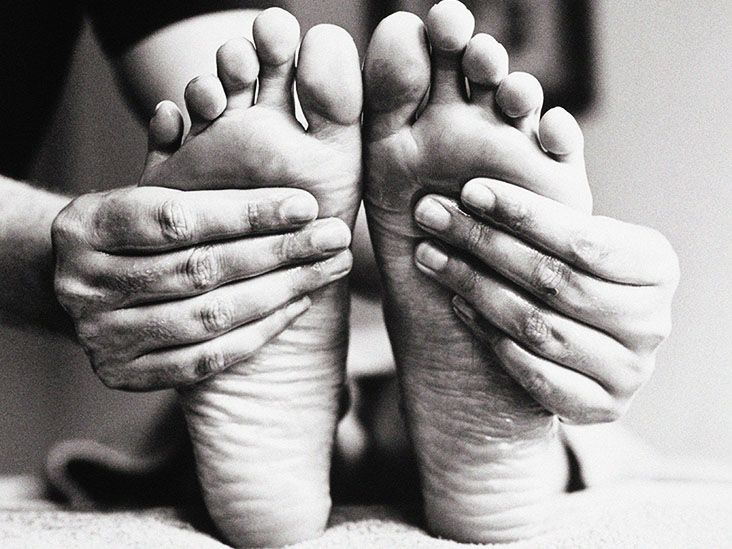
Modern life is impressively efficient at separating people from the ground. We work above concrete floors, commute inside rubber-tired vehicles, exercise in cushioned shoes, and sleep several stories above the nearest patch of soil. Grounding, also called earthing, proposes a remarkably simple response: reconnect the body directly with the earth through bare skin or a conductive grounding product.
Supporters say grounding may improve sleep, reduce stress, ease discomfort, and support recovery. The idea sounds wonderfully uncomplicated. Take off your shoes, step onto the grass, and let the planet handle customer support. However, the scientific evidence is still developing. Several small studies have reported promising results, but grounding has not been proven to treat disease, and many claims remain theoretical.
This guide explains how grounding is practiced, what benefits have been reported, where the evidence is strongest or weakest, and how to try it safely without treating your backyard like an unlicensed medical clinic.
Research basis:
What Is Grounding?
Grounding is the practice of making conductive contact between the human body and the earth. The simplest example is standing barefoot on grass, soil, sand, or unpainted concrete that sits directly on the ground. Other approaches include sitting on the ground, gardening with bare hands, swimming in natural water, or using indoor grounding mats and sheets.
The practice is based on the fact that the earth carries a natural electrical charge. Grounding advocates propose that direct contact allows electrons from the earth to move into the body, potentially influencing electrical activity, oxidative stress, inflammation, and nervous-system function.
That proposed mechanism is scientifically interesting, but it has not been confirmed through enough large, independent clinical trials to establish grounding as a medical treatment. It is more accurate to describe earthing as a complementary wellness practice with preliminary evidence rather than a cure for inflammation, insomnia, chronic pain, or any other condition.
Earthing Is Not the Same as Psychological Grounding
The word grounding is also used in mental health care. Psychological grounding techniques, such as naming five things you can see or focusing on your breathing, help redirect attention to the present moment during anxiety, panic, flashbacks, or dissociation.
Earthing is different. It specifically involves physical contact with the earth or a conductive product connected to ground. The two practices can overlap when a barefoot walk also becomes a mindful sensory exercise, but they are not medically or conceptually identical.
Research basis:
How Is Grounding Supposed to Work?
The central grounding hypothesis involves electron transfer. Normal metabolism produces unstable molecules known as free radicals. In controlled amounts, free radicals play useful roles, but excessive oxidative activity may contribute to cellular damage and inflammation.
Grounding researchers have proposed that electrons obtained through contact with the earth may help neutralize some free radicals. They have also examined whether grounding changes cortisol patterns, blood viscosity, heart-rate variability, sleep, pain perception, and markers associated with inflammation.
Some experiments have detected physiological changes after participants were connected to the ground. However, these studies often involve small groups, short testing periods, specialized equipment, or researchers closely associated with the development and promotion of earthing. That does not automatically invalidate the findings, but it does mean the results require careful independent replication.
Grounding may also help through less mysterious pathways. Walking outdoors can provide gentle exercise. Nature exposure may lower perceived stress. Sunlight helps regulate the sleep-wake cycle. Taking a break from a screen can calm an overstimulated brain. In other words, a barefoot stroll may feel restorative even when the electrons decline to submit a progress report.
Research basis:
Practical Grounding Techniques
1. Walk Barefoot on Grass or Soil
Choose a clean, familiar area and walk slowly for 10 to 20 minutes. A private lawn, sandy beach, or well-maintained garden can work. Pay attention to temperature, texture, pressure, and the movement of your feet.
Do not begin with a long hike on sharp rocks. Your feet have spent years enjoying climate-controlled luxury inside shoes. Introduce them to nature politely.
2. Sit or Lie on the Ground
Sit directly on clean grass, sand, or soil with your hands or feet touching the surface. You can read, stretch, meditate, or simply observe your surroundings. A towel or blanket may reduce direct conductivity, so people practicing earthing usually keep at least one area of bare skin in contact with the ground.
3. Garden With Bare Hands
Planting herbs, pulling weeds, or handling soil provides direct physical contact with the earth. Gardening also offers gentle movement, sensory stimulation, and the deeply satisfying experience of accomplishing something without opening another browser tab.
Wear gloves when working with thorny plants, chemicals, animal waste, contaminated soil, or anything likely to cut the skin.
4. Stand or Walk on Wet Sand
Wet sand is conductive and popular among grounding enthusiasts. Walking along the waterline also combines movement, natural sounds, sunlight, and visual relaxation. Watch for shells, sharp objects, unstable surf, hot sand, and local water-quality warnings.
5. Swim in a Natural Body of Water
Some practitioners consider swimming in the ocean, a lake, or another natural body of water a form of grounding. The benefits of swimming and outdoor recreation are well established, but the specific electrical advantages attributed to earthing remain uncertain.
Follow standard water-safety rules. Never enter unfamiliar water alone, during dangerous weather, or where currents, contamination, wildlife, or poor visibility create hazards.
6. Use a Grounding Mat, Sheet, or Patch
Indoor products are designed to connect the body to the grounding port of a properly wired electrical outlet or to a separate grounding rod. They are commonly placed under the feet at a desk or used while sleeping.
Use only equipment from a responsible manufacturer, follow every instruction, and confirm that the outlet is correctly grounded. Do not construct homemade wiring systems or connect improvised materials to an outlet. Anyone with an implanted electronic medical device should consult the treating clinician and device manufacturer before using an electrically connected grounding product.
7. Combine Grounding With Mindful Breathing
Stand with your feet on a safe natural surface. Breathe slowly and notice five details around you: the color of the sky, the texture beneath your feet, the movement of air, nearby sounds, and any natural scents.
This approach combines earthing with present-moment awareness. Even when the electrical theory remains uncertain, slow breathing and mindful attention can make the activity more relaxing.
Potential Benefits of Grounding
Reduced Stress and Greater Relaxation
Small studies and observational reports suggest that grounding may help some people feel calmer. Researchers have explored possible changes in nervous-system activity, mood, cortisol regulation, and stress-related symptoms.
It is difficult to separate the effect of conductive earth contact from the benefits of slowing down, spending time outdoors, breathing more steadily, and stepping away from daily demands. Fortunately, the nervous system does not require you to solve that scientific mystery before enjoying a peaceful afternoon outside.
Better Sleep
Sleep is one of the most frequently reported grounding benefits. Some small human studies have associated grounded sleeping arrangements with improved sleep quality, reduced discomfort, or changes in nighttime stress patterns. A more recent study involving patients with mild Alzheimer’s disease also reported improved sleep measures after grounding, although the participant group was limited.
These findings are encouraging, not conclusive. Grounding sheets should not replace evaluation for persistent insomnia, sleep apnea, restless legs syndrome, medication side effects, or other sleep disorders.
Less Pain and Muscle Discomfort
A controlled study involving massage therapists reported improvements in pain, physical function, and mood during grounded periods. Other small investigations and case reports have examined muscle soreness, exercise recovery, chronic discomfort, and delayed-onset muscle soreness.
Possible explanations include changes in inflammation, improved relaxation, altered pain perception, or the calming effects of rest. Larger studies comparing grounding with convincing placebo procedures are needed.
Support for Exercise Recovery
Grounding advocates often use earthing after running, strength training, massage work, or other physically demanding activities. Preliminary studies suggest possible effects on soreness and recovery markers, but there is not enough evidence to prescribe an ideal grounding duration or claim that it accelerates tissue repair.
Proven recovery habits still matter more: adequate sleep, progressive training, hydration, balanced nutrition, and appropriate rest. Grounding may complement those habits, but it should not be asked to rescue a workout plan built entirely from enthusiasm and questionable decisions.
Possible Effects on Inflammation and Circulation
Laboratory observations and small studies have reported changes related to inflammation, wound appearance, red blood cell surface charge, and blood viscosity. Researchers have proposed that these findings could have implications for circulation and inflammatory processes.
However, grounding has not been established as a treatment for cardiovascular disease, autoimmune disease, blood-clotting disorders, infection, or inflammatory illness. People taking anticoagulants or receiving treatment for a circulation-related condition should not change medication or medical care based on grounding claims.
Improved Mood and Connection With Nature
Time in green spaces has been associated with lower stress and improved mental well-being. Walking also supports cardiovascular health, mobility, and mood. Therefore, outdoor grounding may offer several overlapping advantages even when the effect of electron transfer is unclear.
A person who spends 20 quiet minutes walking barefoot in a safe garden is also moving, breathing, observing nature, and temporarily ignoring notifications. Those are meaningful benefits, electrons or no electrons.
Research basis:
What Does the Scientific Evidence Really Say?
The honest conclusion is that grounding is promising but unproven. Existing studies have produced interesting findings, yet the evidence base has major limitations:
- Many trials include only a small number of participants.
- Study durations are often short.
- Grounding methods and outcome measurements vary widely.
- Some findings rely heavily on self-reported sleep, pain, or mood.
- Creating a convincing placebo for grounding equipment can be difficult.
- Several frequently cited papers involve researchers who advocate for earthing.
- Independent replication and long-term safety data are limited.
Grounding deserves further research because it is generally inexpensive, simple, and biologically testable. Still, extraordinary claims such as curing chronic disease, rapidly healing injuries, reversing aging, or replacing medication are not supported by current evidence.
A sensible position falls between two extremes. There is no need to declare that every grounding experience is imaginary, and there is equally no reason to appoint the lawn as your primary care physician.
Research basis:
Grounding Safety and Precautions
Outdoor grounding is low risk for many healthy adults when practiced on clean, safe terrain. Nevertheless, barefoot activity can lead to cuts, splinters, puncture wounds, burns, falls, insect bites, fungal infections, or contact with contaminated soil.
Inspect the area before removing your shoes. Avoid broken glass, animal waste, pesticides, construction debris, poisonous plants, hot pavement, freezing ground, and public locker-room surfaces.
People with diabetes, peripheral neuropathy, poor circulation, reduced foot sensation, open wounds, immune suppression, or a history of serious foot problems should ask a healthcare professional before walking barefoot. The Centers for Disease Control and Prevention specifically advises people with diabetes not to go barefoot because unnoticed injuries can become serious.
Check your feet afterward and clean any cuts immediately. Keep tetanus vaccination current according to medical guidance. Stop if you experience pain, numbness, dizziness, skin irritation, or unusual symptoms.
For indoor grounding devices, verify electrical grounding, inspect cords and connectors, keep equipment dry unless designed otherwise, and discontinue use if the product feels warm, causes shocks, produces skin irritation, or appears damaged.
Research basis:
How to Build a Simple Grounding Routine
There is no medically established grounding dose. A practical routine should be comfortable, safe, and easy enough to repeat.
- Choose a safe location. Use a clean lawn, beach, garden, or other familiar natural surface.
- Begin with 10 minutes. Increase the session gradually if it remains comfortable.
- Use the same general time. Morning light may support alertness, while a quiet evening session may encourage relaxation.
- Add slow breathing. Let the exhale remain relaxed rather than forcing unusually deep breaths.
- Track one or two outcomes. Record sleep quality, stress, soreness, or mood instead of trying to measure everything from digestion to cosmic alignment.
- Continue normal medical care. Treat grounding as an optional wellness habit, not a replacement for diagnosis or treatment.
Experiences With Grounding: What People May Notice
The following examples are composite experiences based on commonly reported patterns. They illustrate what a personal grounding experiment may feel like but do not prove a medical effect.
The First Barefoot Week
A typical beginner may start by standing on the lawn for 10 minutes after work. During the first session, the most noticeable discovery is often not an electrical sensation. It is that grass is cool, slightly damp, and much more uneven than it appears through a window.
After several evenings, the person may begin looking forward to the routine. Stress seems to soften, breathing becomes slower, and the transition from work to home feels clearer. Is that caused by electron transfer, fresh air, a break from the phone, or the neighbor’s unusually soothing sprinkler? The experience cannot answer the question, but the ritual may still be useful.
The Sleep Experiment
Someone struggling with restless sleep may try an indoor grounding mat for two weeks. During the first few nights, nothing dramatic happens. By the end of the first week, the person reports falling asleep more easily and waking less often.
A careful observer would also note several competing explanations. The mat created a bedtime routine. Curiosity encouraged more consistent sleep hours. The person reduced late-night screen use to pay attention to the experiment. These changes alone can influence sleep.
The best approach is to keep a simple diary. Record bedtime, estimated sleep onset, awakenings, morning energy, caffeine intake, and major stressors. If sleep improves only on grounded nights and the pattern repeats, that observation may be personally meaningful. It still does not establish a universal treatment.
The Post-Workout Routine
A recreational runner may spend 20 minutes barefoot on soft grass after an easy workout. The quiet cooldown feels pleasant, and leg tension seems lower than usual. Over several weeks, the runner notices less perceived soreness on some days but no clear difference after especially hard sessions.
This mixed result is realistic. Recovery varies with workout intensity, sleep, hydration, food, stress, and previous training. Grounding may become an enjoyable recovery cue, but it cannot negotiate with muscles that were introduced to hill sprints without adequate preparation.
The Office Mat Experience
An office worker may place a grounding mat under the desk and use it with bare feet for part of the afternoon. The mat does not produce a special feeling, flash, vibration, or cinematic beam from the center of the earth. It mostly sits there being a mat.
After several days, the worker reports feeling calmer. Yet the experiment also encourages regular posture checks, fewer crossed-leg marathons, and brief standing breaks. The improvement may come from grounding, better work habits, expectation, or a combination of factors.
What These Experiences Teach
Grounding experiences are highly individual. Some people describe relaxation, deeper sleep, warmer feet, reduced soreness, or a stronger connection with nature. Others notice no meaningful change. A few may dislike the sensation or find barefoot activity uncomfortable.
Expectations can affect how symptoms are perceived, but that does not mean every benefit is “all in the head.” Sleep, pain, stress, and mood are influenced by biology, environment, attention, behavior, and personal meaning. That complexity is precisely why controlled research matters.
The most useful personal experiment is low-risk, documented, and free of exaggerated expectations. Try one technique consistently, avoid changing five other habits at the same time, and observe the results. Continue only when the practice is safe, enjoyable, and genuinely helpful.
Conclusion
Grounding is an accessible wellness practice built around direct contact with the earth. Techniques range from walking barefoot on clean grass to gardening, relaxing on a beach, or using an indoor grounding mat.
Early research has reported possible benefits involving sleep, stress, pain, mood, circulation, inflammation, and exercise recovery. However, most studies are small, and the scientific community still lacks enough independent, high-quality trials to confirm broad health claims or recommend grounding as a treatment.
For many people, the strongest reason to try grounding may be wonderfully ordinary: it creates time outdoors, encourages gentle movement, reduces screen exposure, and turns attention toward the present moment. Those benefits are valuable even while researchers continue investigating the electrical theory.
Practice on safe terrain, protect vulnerable feet, use indoor equipment correctly, and keep realistic expectations. Grounding can be a pleasant addition to a healthy routine, but shoes, doctors, and evidence-based medicine should not be thrown away in celebration.