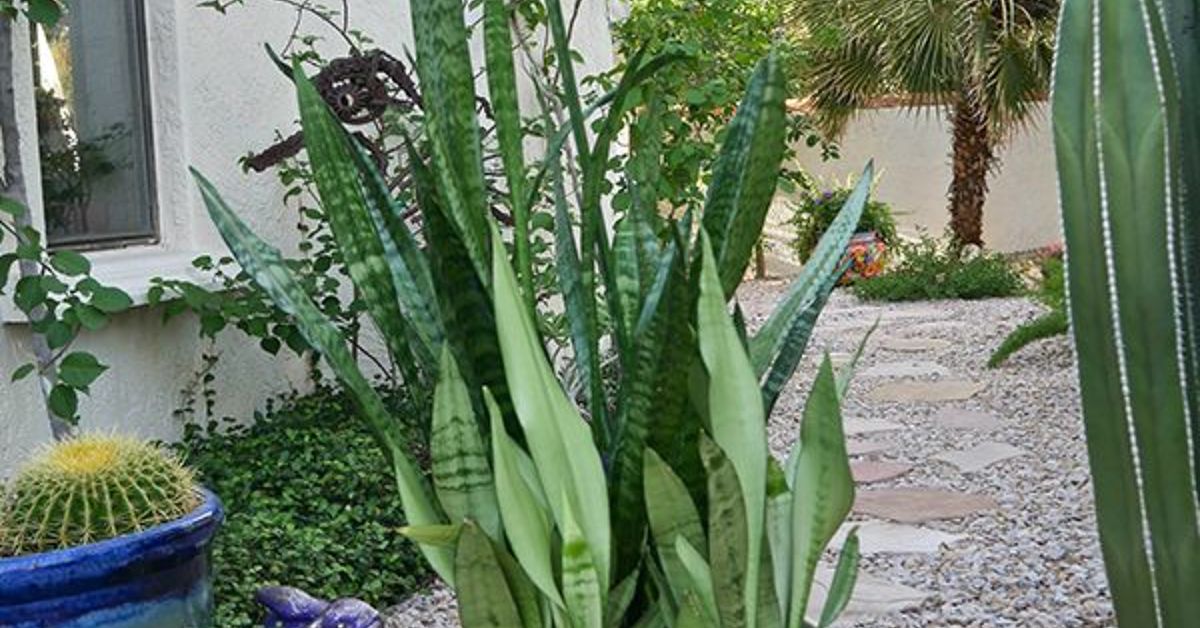
Your snake plant is supposed to stand there like a green, upright superheroquiet, confident, and basically unbothered by your life choices. So when the leaves start leaning, flopping, or fully collapsing like they’re auditioning for a fainting scene in a soap opera, it’s alarming. The good news: snake plants (a.k.a. Dracaena trifasciata, formerly Sansevieria) are dramatic in presentation, not in difficulty. Most “falling over” situations come down to a handful of fixable causesusually water, light, roots, or a combo platter of all three.
In this guide, you’ll learn exactly why snake plant leaves fall over, how to diagnose the real culprit fast, and how to get your plant standing tall againwithout guessing, panicking, or buying seven unnecessary gadgets you’ll forget in a drawer.
Quick Diagnosis: The 60-Second Leaf Lie Detector
Before you repot, prune, or deliver a motivational speech to your plant, do a quick check. Snake plants “fall over” for different reasons, and the fix depends on what the plant feels like, not just what it looks like.
Grab your clues
- Soil feel: Is it wet, slightly damp, or bone-dry?
- Leaf texture: Mushy at the base? Wrinkled and thin? Firm but bent?
- Smell test: Any funky, swampy odor coming from the pot?
- Light reality check: Is it in a dim corner living its best cave life?
- Pot situation: Drainage hole present… or is it basically a decorative bathtub?
Match the symptom to the likely cause
- Mushy base + wet soil + bad smell: Overwatering and possible root rot.
- Wrinkled/thin leaves + dry soil: Underwatering (yes, it’s possible).
- Leaves stretching/leaning toward a window: Low light and weak growth (etiolation).
- Plant wobbly or tipping + tall leaves: Pot too small, too light, or unstable.
- One leaf sharply creased at the base: Physical damage (often permanent for that leaf).
- Sticky spots or tiny webbing: Pest stress (mealybugs/spider mites).
Why Snake Plant Leaves Fall Over: The Real Reasons
1) Overwatering (a.k.a. “Love… but make it lethal”)
Overwatering is the #1 reason snake plant leaves fall over. Snake plants store water in their thick leaves like a camel stores attitude. When the soil stays wet, roots can suffocate and rot. Once roots are compromised, the leaves lose the support system that keeps them upright.
What it looks like: leaves feel soft or squishy (especially near the base), may yellow or develop dark, soggy patches, and the potting mix stays wet for days. Sometimes there’s an odor that can only be described as “regret.”
Why it makes leaves flop: damaged roots can’t anchor the plant or deliver water properlyeven though there’s plenty of moisture around. It’s a cruel twist: too much water can behave like not enough water because the roots can’t function.
2) Underwatering (the “I forgot… for a month” problem)
Snake plants tolerate drought, but “tolerate” isn’t the same as “thrive.” If the soil stays dry for too long, the leaves can lose internal pressure (turgor) and start to slump.
What it looks like: leaves may feel thinner, look slightly wrinkled or curled, and the potting mix is dry all the way through. The plant can look limp rather than mushy.
Common trap: people see a droop and assume “overwatering,” then water even less. Your plant then enters a slow-motion collapse worthy of a tragic documentary.
3) Low light (etiolation: when leaves get weak and stretchy)
Snake plants can survive low light, but prolonged dim conditions can lead to slower growth and weaker, less rigid leaves. If your plant is reaching or leaning toward the nearest light source, it may be telling you: “I’m not lazyI’m underpowered.”
What it looks like: leaves lean toward a window, growth is slower, and new leaves may be narrower, softer, or paler. It’s less “sudden flop” and more “gradual wilt into modern art.”
4) The pot-and-soil combo is holding too much moisture
Sometimes your watering isn’t the villainyour soil and container are. Dense potting mix, a pot with no drainage, or a pot that’s too large can keep the root zone wet far longer than a snake plant wants.
What it looks like: the top might feel dry, but deeper soil stays damp; leaves begin to soften at the base over time. Decorative cachepots (pretty outer pots) can also trap drained water underneath the nursery pot.
5) Root-bound or overcrowded (yes, both can cause issues)
Snake plants often don’t mind being slightly snug, but extreme root-binding can reduce access to water and nutrients. The plant may also become top-heavy and unstable.
What it looks like: roots circling tightly, little soil left in the pot, the plant lifts out like a pot-shaped root sculpture, or the container bulges/cracks. Leaves may flop because the plant can’t hydrate efficiently or can’t physically balance itself.
6) Temperature stress and drafts (plants hate surprise weather)
Snake plants like warm household temps and don’t enjoy cold drafts. Prolonged exposure to chilly conditions can stress tissues, slow drying, and invite rotor directly damage leaves.
What it looks like: drooping paired with soft spots, slowed growth, or damage after sitting near an icy window, an aggressive AC vent, or a frequently opened door in winter.
7) Physical damage (the crease that changed everything)
If a leaf gets bent, pinched, or creased near the base, it may never fully stand up again. Snake plant leaves are tough, but they’re not magic inflatable tubes.
What it looks like: one leaf flops while the rest are fine; a noticeable fold or “cinch” near the bottom. The leaf may stay healthy but permanently angled.
8) Pests (tiny freeloaders with big opinions)
Snake plants are fairly resilient, but spider mites and mealybugs can weaken leaves by feeding on plant juices. Severe infestations can contribute to drooping and overall decline.
What it looks like: speckled discoloration, sticky residue, cottony clusters, fine webbing, or localized leaf damage. If the plant seems weaker for no obvious watering reason, check closely.
How To Fix Drooping Snake Plant Leaves (Step-by-Step)
The goal is simple: restore healthy roots, correct light/water balance, and stabilize the plant physically. Here’s the rescue plan that works for most cases of snake plant leaves falling over.
Step 1: Pause watering (then confirm what’s actually happening)
If you suspect overwatering, stop watering immediately and let the soil dry. If you suspect underwatering, confirm dryness all the way downnot just on the surface.
- Stick a finger 2 inches down (or use a wooden chopstick like a moisture “dipstick”).
- If it’s still cool and damp, wait.
- If it’s dry and dusty throughout, it’s time to water thoroughly.
Step 2: Do the unglamorous but necessary root inspection
If leaves are mushy, the soil smells off, or the plant is rapidly collapsing, remove it from the pot. This is the plant equivalent of going to urgent careuncomfortable, but very clarifying.
- Healthy roots: firm and lighter colored.
- Rotten roots: soft, brown/black, slimy, and often smelly.
Step 3: Trim the damage (don’t be shy, but don’t be reckless)
Use clean scissors or pruners. Cut away rotten roots and remove any mushy leaves at the base. If a leaf is creased but still firm and healthy, you can keep it for looksor remove it if it bugs you every time you walk by.
Step 4: Let cuts dry briefly (especially after rot)
If you removed rot, give the plant a little time out of soil so cuts can dry (think of it as a scab-forming moment). This can reduce the odds of the rot immediately returning in wet soil.
Step 5: Repot into the right setup
Most snake plant flop-fests improve dramatically after a repot into a well-draining mix and a pot with drainage. Choose a container that’s only slightly bigger than the root massgoing too large means extra wet soil that dries slowly.
Best pot choice
- Drainage hole required. Non-negotiable.
- Terracotta can help soil dry faster than plastic or glazed ceramic.
- If you use a decorative outer pot, remove the inner pot to water and let it drain fully before putting it back.
Best soil choice
- Use a cactus/succulent mix, or amend potting soil with perlite/pumice to boost drainage.
- Avoid heavy, compact mixes that stay soggy for days.
Step 6: Water correctly (the “thorough, then hands-off” method)
Snake plants hate frequent sips. They prefer a deep drink followed by a full dry-down.
- Water until it drains out the bottom, then empty the saucer.
- Avoid pouring water into the center where leaves form a cup/rosettetrapped moisture can encourage rot.
- Don’t water again until the soil is completely dry.
Step 7: Fix the light (without frying your plant)
Bright, indirect light is ideal for sturdy growth. If your snake plant lived in a dim corner, move it closer to a window gradually. Rotate the pot every week or two so leaves don’t lean hard in one direction.
Step 8: Stabilize while it recovers
If your plant is top-heavy or has a few floppy leaves, gentle support can help while roots rebuild.
- Use soft plant ties or a loose band to gather leaves (don’t strangle them).
- Add a discreet stake if needed.
- For a chronically unstable tall variety, consider a heavier pot (wider base) for balance.
Step 9: Salvage with propagation if needed
If rot is severe, you can still save the plant. Healthy leaf sections can be propagated, and divisions (“pups”) can be separated and replanted. Propagation is the snake plant’s version of “new phone, who dis?”
How To Prevent It From Happening Again
Once your snake plant is upright again, prevention is mostly about not repeating the same care pattern that caused the flop. Here are the habits that keep snake plant leaves strong and vertical.
Watering rules that actually work
- Don’t water on a schedule. Water based on dryness.
- Seasonal reality: plants often need less water in cooler, darker months and more in brighter seasons.
- When in doubt: wait a few more days. Overwatering is far more dangerous than mild drought for snake plants.
Get the soil and pot right (so you don’t have to micromanage)
- Use fast-draining soil (cactus/succulent mix is your friend).
- Always use a pot with drainage holes.
- Size up pots slowlyhuge jumps can keep soil wet too long.
Light and temperature: the quiet MVPs
- Bright, indirect light encourages sturdier leaves.
- Keep away from cold drafts and extreme temperature swings.
- Rotate the pot periodically to prevent leaning.
Maintenance that prevents “mystery problems”
- Dust the leaves occasionally so the plant can photosynthesize efficiently.
- Inspect for pests during cleaning (catching them early is everything).
- Fertilize lightly during the growing season only if you want faster growthskip heavy feeding.
FAQ: The Questions Everyone Asks at 11:47 PM
Will drooping snake plant leaves stand back up?
Sometimes. If the leaf is simply weak from low light or mild dehydration and still feels firm, it may improve after conditions are corrected. But if a leaf is creased, damaged, or mushy at the base, it usually won’t return to a perfectly upright posture.
Should I cut off leaves that fell over?
If a leaf is mushy, blackened, or smells bad at the base, remove itthose are rot signals. If it’s healthy but bent, it’s optional: you can keep it, stake it, or remove it for aesthetics.
How long does it take to recover?
If the fix is simple (light adjustment or correct watering), you may see improvement in a couple of weeks. If you treated root rot, recovery can take longerthink weeks to a few monthsbecause the plant must regrow healthy roots.
What’s the best soil for snake plants?
A fast-draining cactus/succulent mix is ideal. If you’re mixing your own, aim for a blend that dries quickly and doesn’t compact. Adding perlite or pumice to regular potting soil is a common way to improve drainage.
Can I use a grow light?
Yesespecially if your home is dim in winter. Even a modest grow light can help keep growth sturdier and reduce “leaning toward the window” behavior.
Real-World Experiences: “Snake Plant ER” Stories (So You Don’t Repeat Them)
I don’t have a literal waiting room full of snake plants wearing tiny hospital gowns (missed business opportunity, honestly), but if you read enough plant-help threads, extension Q&As, and home gardening troubleshooting guides, you start seeing the same storylines. Here are common “case files” that mirror what real plant owners run intoand what usually fixes it.
Case File #1: The Weekly Watering Warrior
The owner is proud: “I water every Saturday!” The snake plant is less proud. Leaves begin to droop, then turn slightly yellow, and one day the whole plant slumps like it got bad news. The soil is damp for days. The pot is cute and heavyalso has no drainage hole.
What’s happening: The plant isn’t dying from thirst; it’s drowning from consistency. Snake plants can store water, and constant moisture breaks down roots over time. Once the root system starts failing, the leaves can’t stay upright, even if they look “green enough.”
What usually fixes it: Unpot, inspect roots, remove rot, repot into fast-draining mix in a pot with drainage. Then adopt the new mantra: “I water when dry, not when the calendar says so.”
Case File #2: The Dark-Corner Minimalist
This snake plant lives in a corner so dim you could store secrets there. The owner rarely waters (because they heard snake plants “love neglect”), and the plant slowly starts leaning toward the nearest window like it’s trying to file a moving request with HR.
What’s happening: Low light reduces energy production. Over time, leaves can grow weaker and less rigid, and the plant may stretch toward light. Combine that with very infrequent watering and you get limp, tired leaves.
What usually fixes it: Move it to brighter, indirect light, rotate it, and water deeply when the soil fully dries. Most owners are shocked by how much sturdier the plant becomes when it’s not trying to photosynthesize in a cave.
Case File #3: The Decorative Pot Trap (a.k.a. “The Hidden Swamp”)
Everything seems right: the owner waters “not too often,” the plant sits in a stylish cachepot, and the leaves still fall over. The twist? Water drains from the nursery pot into the outer pot and stays there, quietly turning the bottom roots into soup.
What’s happening: Even if you water correctly, standing water beneath the pot creates a constant wet zone. The plant may look fine up top until the rot has already started below.
What usually fixes it: Water the plant in a sink, let it drain completely, then return it to the outer pot. Or add a spacer so the inner pot never sits in pooled water. This one change solves a surprising number of “mystery droops.”
Case File #4: The Winter Window Chill
The plant spends winter pressed against a cold window or near a drafty door. The owner waters at the same rate as summer, and suddenly the leaves go limp and soft. It feels unfairbecause it is.
What’s happening: Cooler temps slow drying and slow growth. Wet soil stays wet longer, raising rot risk. Cold drafts can also stress tissues. The combination can make the base soften and leaves collapse.
What usually fixes it: Move the plant away from drafts, reduce watering in cooler months, and ensure the soil mix dries properly. Winter care isn’t about “doing more”it’s about doing less, more wisely.
Case File #5: The One-Leaf Betrayal
Everything looks normal… except one leaf that’s dramatically flopped over like it’s protesting something. You investigate and find a crease from when someone bumped it with a vacuum, a chair, or a passing human hip (the most dangerous tool in the home).
What’s happening: Mechanical damage. That leaf may remain healthy but structurally compromised.
What usually fixes it: If it bothers you, remove it cleanly at the base. If it’s still healthy and you’re sentimental, stake or tie it loosely. Either way, don’t keep “fixing” your watering because one leaf got clumsy.
Bottom line: Most snake plant drooping issues are not mysterious. They’re patterns. And once you know what to look for, you can fix the real cause instead of playing houseplant whack-a-mole.
Conclusion
When snake plant leaves are falling over, your plant is usually waving a big green flag that says: “My roots and routines need attention.” Start with a quick diagnosissoil moisture, leaf texture, odor, light, and pot drainagethen apply the fix that matches the symptoms. In most cases, correcting watering habits, upgrading soil drainage, improving light, and stabilizing the pot will get your snake plant back to its upright, unbothered self.
And remember: the snake plant’s love language is not constant attention. It’s respectful spacing and occasional, well-timed hydration.