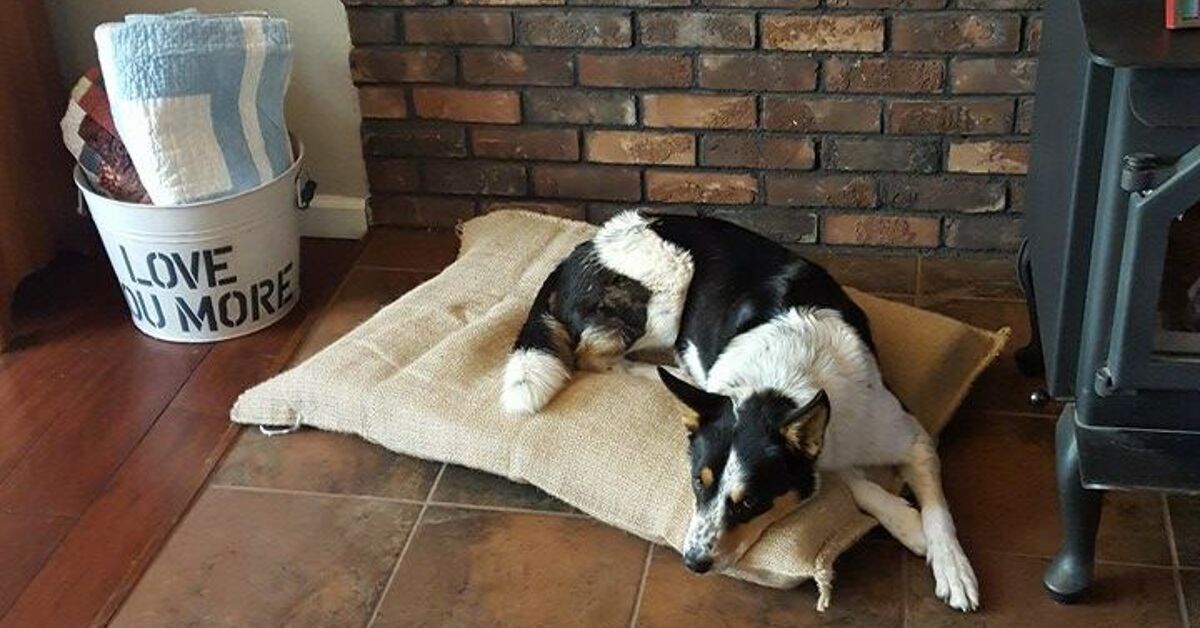
Dogs are professional nappers. Some have PhD-level skills in curling into a cinnamon roll, while others prefer to sprawl across the floor like they just finished a dramatic movie scene. Either way, your pup deserves a cozy place to rest that is soft, supportive, easy to clean, and preferably not more expensive than your own mattress. That is where an easy homemade DIY dog bed saves the day.
Making a dog bed at home is one of those projects that sounds suspiciously ambitious until you realize it can be done with old pillows, fleece fabric, memory foam, a blanket, a crate mat, or even a small wooden frame. You do not need to be a professional carpenter, master seamstress, or person who owns seventeen specialty tools. In fact, one of the easiest versions requires no sewing at all. Just measure, cut, tie, stuff, and let your dog inspect it like a tiny furry landlord.
This guide walks you through how to make a homemade dog bed that looks good, feels comfortable, and survives the realities of dog life: fur, drool, muddy paws, mysterious smells, toy crumbs, and the occasional “I swear that stain was not there yesterday” situation. You will learn how to choose the right size, pick safe materials, make a no-sew dog bed, add washable covers, create a more supportive orthopedic-style bed, and personalize the final design for your dog’s sleeping habits.
Why Make a Homemade Dog Bed?
A store-bought dog bed can be convenient, but a DIY dog bed gives you control over size, firmness, fabric, color, and cleaning. That matters because dogs do not all sleep the same way. A Chihuahua may want a warm little nest. A Labrador may want a wide cushion that lets every leg point in a different direction. A senior dog may need firmer support. A puppy may need something washable enough to survive the “oops” phase.
Building your own dog bed also lets you reuse household materials. Old pillows, spare blankets, worn comforters, clean towels, crib mattresses, couch cushions, and leftover fabric can become a custom pet bed instead of clutter. It is budget-friendly, eco-friendly, and oddly satisfying. There is something deeply pleasing about watching your dog fall asleep on something you made, even if they first sniff it for ten minutes like it came from outer space.
Before You Start: Measure Your Dog Like a Professional Pup Tailor
The best DIY dog bed starts with the right size. Too small, and your dog may hang off the edge like a melted marshmallow. Too large, and a nervous dog may not feel secure. Watch how your dog naturally sleeps for a day or two. Does your pup curl up tight, stretch out fully, lean against walls, burrow under blankets, or rest their head on anything shaped vaguely like a pillow?
Simple Dog Bed Sizing Formula
Measure your dog from the tip of the nose to the base of the tail while they are lying down. Then measure across the widest part of the shoulders or hips. Add extra room so the bed is comfortable:
- Small dogs: Add 4 to 6 inches in length and width.
- Medium dogs: Add 6 to 8 inches in length and width.
- Large dogs: Add 8 to 12 inches in length and width.
- Sprawlers: Add even more room, because dignity is not their priority.
If the bed is going inside a crate, measure the crate floor instead. The dog bed should fit snugly without bunching up at the corners. If it will sit in your living room, also measure the available floor space so nobody trips over it while carrying coffee. A homemade dog bed should make life easier, not become an obstacle course.
Best Materials for an Easy Homemade DIY Dog Bed
The right materials depend on your dog’s age, size, chewing habits, and cleaning needs. A young puppy may need washable, inexpensive layers. A senior dog may benefit from memory foam or egg-crate foam. A dog who scratches before lying down needs tougher fabric. A dog who treats every soft object as a chew toy needs supervision and durable construction.
Recommended Fabric Options
- Fleece: Soft, warm, easy to cut, and ideal for no-sew tie beds.
- Canvas: Durable and better for dogs who scratch or dig at their beds.
- Denim: Great for upcycling old jeans into a tough cover.
- Cotton duck cloth: Strong, washable, and neat-looking.
- Flannel: Cozy for small dogs and cold-weather beds.
- Outdoor fabric: Useful for porch beds, mudroom beds, or dogs who love dirt like it is a lifestyle brand.
Good Filling Options
- Old pillows: Easy, affordable, and great for small to medium dogs.
- Shredded foam: Soft but supportive, especially for cushion-style beds.
- Memory foam: Better for older dogs or dogs needing joint support.
- Egg-crate foam: Lightweight, breathable, and easy to cut.
- Folded comforters: Excellent for large, washable floor beds.
- Towels or blankets: Good for crate pads or travel beds.
Avoid loose stuffing if your dog likes to chew and swallow fabric. Also avoid strong fragrances, essential oils, scented sprays, or heavily perfumed detergents on the bed. Dogs have sensitive noses, and some scented products may be unsafe for pets. When in doubt, choose unscented detergent and simple, washable materials.
Project 1: The Easiest No-Sew Fleece Dog Bed
This is the classic beginner-friendly homemade dog bed. It is soft, inexpensive, and does not require a sewing machine. If you can use scissors and tie knots, you can make it. Congratulations, you are now overqualified.
Supplies
- Two pieces of fleece fabric, cut to the same size
- Old pillows, polyester stuffing, or foam insert
- Sharp fabric scissors
- Measuring tape
- Optional: washable waterproof liner or pillow protector
Steps
- Measure and cut the fleece. Cut two matching rectangles or squares. Add 4 to 6 inches around the edges because the tied fringe will reduce the finished size.
- Stack the fabric. Place the two fleece pieces together with the nicer sides facing outward.
- Cut fringe around the edges. Cut strips about 1 inch wide and 3 to 4 inches long around all sides.
- Tie three sides. Tie the top and bottom fringe pieces together in double knots along three edges.
- Add filling. Slide in pillows, foam, or stuffing. For easier cleaning, put the filling inside a washable liner first.
- Tie the final side. Close the bed with knots. If you want a removable cover, use hook-and-loop fastener or leave one side tied loosely for easy opening.
This no-sew DIY dog bed works especially well for small dogs, puppies, and dogs who like plush sleeping spots. It is also a smart starter project because you can make a second cover later without rebuilding the whole bed.
Project 2: Pillow Dog Bed With a Washable Cover
If you have spare bed pillows, you are halfway to a homemade pet bed. This version is ideal for small and medium dogs and can be made with basic sewing or no-sew fasteners.
Supplies
- Two to four old pillows
- Durable fabric such as canvas, fleece, or cotton
- Sewing machine or fabric glue
- Hook-and-loop tape, zipper, or envelope-style closure
- Optional waterproof pillow protectors
How to Make It
Arrange the pillows into the shape you want. Two pillows side by side create a nice medium rectangular bed. Four pillows make a roomy bed for a larger dog. Sew or glue a simple fabric cover around the pillows, leaving one side open. Add a zipper, hook-and-loop tape, or overlapping envelope closure so you can remove the pillows before washing the cover.
The secret is not making the cover too tight. Dogs like a little squish. If the cover is stretched like a drum, the bed may look neat but feel stiff. Leave a bit of room so the pillows can shift and cushion naturally.
Project 3: Orthopedic-Style DIY Dog Bed for Senior Dogs
Older dogs, large breeds, and dogs with sore joints often prefer a firmer, more supportive bed. A homemade orthopedic dog bed can be made with memory foam, egg-crate foam, or a layered foam insert. This version costs more than a pillow bed, but it is still often cheaper than buying a premium orthopedic pet bed.
Supplies
- Memory foam or egg-crate foam, 2 to 4 inches thick
- Waterproof liner or mattress protector
- Durable washable fabric
- Zipper, hook-and-loop tape, or envelope closure
- Optional bolster pillows for head and neck support
Steps
- Cut the foam to size. Use a utility knife or electric carving knife for cleaner edges.
- Wrap the foam in a liner. This helps protect it from accidents, drool, and moisture.
- Make a removable cover. Use a simple envelope-style cover if you do not want to install a zipper.
- Add bolsters if needed. Rolled towels, small pillows, or foam tubes can create raised sides for dogs who like leaning or resting their chin.
- Test the firmness. The bed should compress slightly without flattening completely under your dog’s weight.
For senior dogs, avoid beds that are too tall or too soft. A dog with stiff hips may struggle to climb onto a thick fluffy bed. A low, supportive cushion is often easier to access. If your dog has arthritis, hip dysplasia, or mobility issues, ask your veterinarian what level of support is best.
Project 4: Wooden Frame DIY Dog Bed
A wooden frame turns a cushion into a piece of pet furniture. This is a great option if you want the dog bed to match your home decor instead of looking like a pillow had an argument with the laundry pile.
Supplies
- Common boards or scrap wood
- Screws
- Drill
- Saw
- Sandpaper
- Pet-safe paint or stain
- Dog bed cushion or DIY foam insert
Basic Building Idea
Build a shallow rectangular frame slightly larger than your cushion. Keep the front lower than the sides so your dog can step in easily. Sand every edge until smooth. Dogs have no respect for sharp corners, and sharp corners have no respect for dogs. Paint or stain the frame, let it cure fully, and place the washable cushion inside.
This style works well for dogs who are not heavy chewers. If your dog sees wood and thinks “snack,” skip the frame or supervise closely. Also avoid raised frames for dogs with mobility problems unless the entry is very low.
How to Make the Dog Bed Easy to Clean
Washability is not optional. Even the most elegant dog bed will eventually meet muddy paws, shedding season, and whatever your dog rolled in during that one suspiciously quiet backyard moment. A homemade dog bed should be designed for cleaning from the beginning.
Cleaning-Friendly Design Tips
- Use a removable cover whenever possible.
- Add a waterproof liner between the cover and the foam or pillows.
- Choose machine-washable fabric.
- Vacuum the bed weekly to remove fur and dander.
- Wash the cover regularly with unscented detergent.
- Air-dry foam inserts completely before reassembling the bed.
- Keep a backup cover if your dog is messy, elderly, or still house-training.
Do not soak memory foam unless the care instructions say it is safe. Foam can hold moisture and develop odors if it does not dry thoroughly. Spot clean foam when needed, use an enzyme cleaner for accidents, and let it dry fully in a ventilated area.
Dog Bed Design Ideas Based on Sleeping Style
Your dog’s sleeping style is basically a personality test with paws. Build the bed around what your dog already likes.
For Curlers
Dogs who sleep curled in a ball often like round beds, soft bolsters, or nest-style edges. Use fleece, flannel, or a cushion with raised sides.
For Sprawlers
Dogs who stretch out need a flat rectangular bed with plenty of room. Memory foam, folded comforters, or wide pillow beds work well.
For Burrowers
Some dogs love blankets and tunnels. Add a loose fleece blanket or create a pocket-style cover. Just make sure your dog can move in and out safely.
For Leaners
Dogs who rest their heads on chair legs, couch arms, or your foot may enjoy bolsters. Add one or two raised sides using firm pillows or rolled foam.
For Hot Sleepers
Use breathable cotton, canvas, or a thinner foam pad. Avoid overly fluffy fabric in warm rooms. A washable cover over egg-crate foam can provide airflow and support.
Common DIY Dog Bed Mistakes to Avoid
A homemade dog bed is simple, but a few mistakes can turn it into a lumpy floor pancake. Avoid these common problems:
- Making it too small: Measure your dog while resting, not while standing stiffly like a passport photo.
- Skipping the washable cover: Future you will regret this by the first muddy Tuesday.
- Using weak fabric: Thin fabric may tear quickly if your dog scratches before lying down.
- Overstuffing the bed: Too much filling can make the surface unstable or uncomfortable.
- Using unsafe scents: Avoid essential oils, strong sprays, and heavily perfumed laundry products.
- Ignoring chewing habits: If your dog destroys soft toys, choose tougher materials and supervise.
- Forgetting floor grip: Add a non-slip rug pad underneath if the bed slides on hardwood or tile.
Budget-Friendly Upcycling Ideas
One of the best parts of an easy homemade DIY dog bed is that you can use what you already own. A clean old sweatshirt can become a tiny dog bed. A retired comforter can become a large cushion. A drawer from an old dresser can become a charming frame. A crib mattress can become a spacious bed for a big dog. Your linen closet may already contain your dog’s future favorite nap kingdom.
Here are a few upcycling ideas:
- Turn an old sweater into a small dog bed by stuffing the body and sleeves.
- Use an old suitcase as a vintage-style bed frame with a cushion inside.
- Convert a dresser drawer into a low wooden bed.
- Layer towels inside a washable cover for a travel-friendly crate pad.
- Use denim from old jeans to make a tough patchwork cover.
- Place foam inside a waterproof crib sheet for a quick large-dog bed.
Safety Checks Before Your Dog Uses the Bed
Before presenting the bed to your dog like a grand opening ceremony, check it carefully. Trim loose threads. Make sure knots are tight. Remove pins, staples, exposed screws, splinters, and anything small enough to swallow. If you used paint, stain, glue, or adhesive, allow it to dry and cure completely according to the product instructions before letting your pet near it.
Place the bed in a quiet, comfortable area where your dog already likes to rest. Dogs are creatures of habit. If your pup usually sleeps by the couch, do not place the new bed in a lonely corner and expect instant loyalty. Add a familiar blanket or toy to help the bed smell like home.
How to Introduce Your Dog to a New Homemade Bed
Some dogs will leap onto a new bed immediately. Others will circle it like it owes them money. Give your dog time. Place treats on the bed, praise calm investigation, and avoid forcing your dog to lie down. If your dog ignores it at first, do not take it personally. Dogs have strong opinions about furniture, especially furniture that does not smell enough like them yet.
You can also move the bed to different spots and watch where your dog uses it most. Near a sunny window? Beside your desk? Next to your bed? Once you find the winning location, keep it there. A dog bed is not just a cushion; it is your dog’s little headquarters.
Real-Life Experiences and Practical Lessons From Making an Easy Homemade DIY Dog Bed
The funniest thing about making a homemade dog bed is that the project rarely ends exactly how you imagined. You may start with a neat plan, a folded piece of fleece, and a vision of a magazine-worthy pet corner. Then your dog walks over, steals the fabric before it is finished, and lies on it triumphantly as if helping. This is normal. In fact, early approval from the quality-control department is a good sign.
Many DIY dog-bed makers discover that the first version teaches them more than any tutorial. For example, a pillow bed may seem perfect until a medium-size dog flops down and the pillows slide apart inside the cover. The fix is simple: stitch the pillows together, use a tighter inner liner, or switch to one solid foam insert. A no-sew fleece bed may look adorable, but if the fringe is too short, the knots can loosen after washing. The lesson? Cut longer fringe than you think you need and double-knot with confidence.
Another common experience is realizing that dogs care more about comfort and smell than style. You may choose a beautiful fabric that matches your living room, only to find your dog prefers the old towel you used while measuring the foam. Do not fight this too hard. Place the familiar towel inside the new bed for a few days. Once the bed smells safe and familiar, many dogs accept it quickly. In dog logic, “new” is suspicious, but “new with my favorite old blanket” is luxury.
Cleaning is where homemade beds either become heroes or villains. A bed with no removable cover may seem fine on day one, but by week three it becomes a furry science project. The best experience comes from building the bed in layers: washable outer cover, waterproof inner liner, and supportive filling. That way, when life happens, and life often happens with paws, you can wash the cover without destroying the whole bed. If your dog is elderly, still house-training, or has a talent for finding mud puddles, make two covers. One can be in use while the other is in the wash.
Dog owners also learn that support matters more than fluff. A super-soft bed may look comfortable, but large or senior dogs can sink too far into it. A layered foam bed often works better because it supports the body while still feeling cozy. On the other hand, tiny dogs and burrowers may prefer soft fleece and raised edges. The best homemade dog bed is not the fanciest one. It is the one your dog actually uses.
Finally, there is the emotional reward. Watching your dog choose the bed you made is ridiculously satisfying. They may scratch it, circle three times, sigh loudly, and collapse into a nap with the drama of a retired actor. That moment makes the measuring, cutting, tying, sewing, and lint-rolling worth it. A DIY dog bed is not just a craft project; it is a small act of care. It says, “Here, I made you a safe place.” Your dog may not write a thank-you note, but the snoring is usually enthusiastic enough.
Conclusion
An easy homemade DIY dog bed is practical, affordable, customizable, and surprisingly fun to make. Whether you choose a no-sew fleece bed, a pillow cushion, an orthopedic-style foam bed, or a wooden frame design, the key is to build around your dog’s real needs. Measure properly, choose washable materials, add enough support, avoid unsafe scents, and make cleaning simple from the start.
The beauty of a DIY dog bed is that it does not have to be perfect. Your dog will not inspect the seams with a clipboard. They care about comfort, security, familiar smells, and whether the bed is located close enough to keep an eye on snacks, humans, and suspicious squirrels. Make it soft, make it safe, make it washable, and your pup will likely reward you with the highest compliment in dog language: a long nap and a happy sigh.