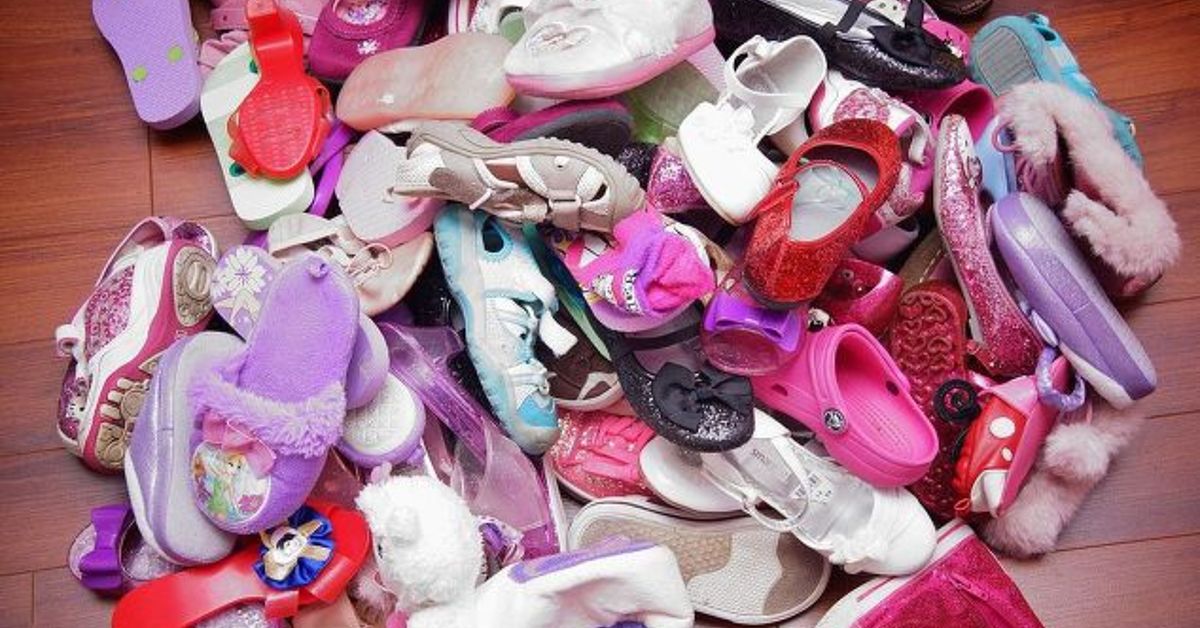
Shoes have a special talent for creating chaos. Leave two pairs by the front door, and somehow they invite ten more friends, form a small village, and block the hallway before dinner. Fortunately, organizing shoes does not require a celebrity-size walk-in e space, footwear collection, and daily habits. Everyday sneakers should be easy to grab, special-occasion heels can live farther away, and muddy boots should not be sharing a shelf with delicate suede loafers. These 13 clever shoe storage ideart With a Quick Shoe Audit
Before buying racks, baskets, boxes, or a cabinet that requires an engineering degree to assemble, examine the shoes you already own. Remove every pair from its current hiding place and sort the collection into four groups: keep, repair, donate, and discard.
Be honest about shoes that hurt, no longer fit, or have not left the closet in several years. A storage product cannot solve an inventory problem. It merely gives the problem a nicer apartment.
Once you have edited the collection, divide the remaining shoes by frequency and type. Create categories for everyday footwear, work shoes, athletic shoes, formal styles, boots, sandals, and seasonal pairs. This simple step makes it much easier to choose an appropriate storage solution.
1. Create an Everyday Shoe Zone
Reserve the most accessible location for the shoes your household wears regularly. This might be a small rack beside the front door, a shelf in the coat closet, or open storage beneath an entryway bench.
Limit the zone to one or two pairs per person. Without a limit, an everyday shoe station quickly becomes an archaeological site featuring sneakers from three seasons ago.
Make the Zone Easy to Maintain
Place the organizer where people naturally remove their shoes. A beautifully arranged rack on the opposite side of the house will not help if everyone kicks off their footwear beside the door. Good organization works with existing behavior rather than demanding a daily lifestyle transformation.
2. Use a Slim Shoe Cabinet in a Narrow Entryway
A slim shoe cabinet is one of the best shoe storage ideas for a small entryway. Unlike a deep bookcase, it has a narrow profile and usually uses angled or pull-down compartments. Shoes remain hidden, the walkway stays clear, and the cabinet top can hold keys, sunglasses, mail, or a decorative bowl.
Measure the entryway carefully before purchasing one. Check the cabinet depth with its doors both closed and open. It should not interfere with the front door, a nearby closet, or normal foot traffic.
Prevent the Cabinet From Becoming a Mystery Box
Assign each drawer or compartment to a family member or footwear category. Children might receive the lowest section, while adult shoes can occupy the upper compartments. A simple label inside each drawer keeps the system clear without turning the hallway into a shipping warehouse.
3. Add a Bench With Built-In Shoe Storage
A shoe storage bench performs two valuable jobs: it organizes footwear and provides a comfortable place to sit while putting it on. This is particularly helpful for children, older adults, and anyone attempting to tie hiking boots while balancing like a confused flamingo.
Choose open cubbies for frequently worn shoes or closed compartments for a cleaner visual appearance. A bench with baskets offers a useful compromise because the footwear stays concealed while remaining easy to reach.
Place a washable mat or removable tray beneath open storage to catch dirt, water, and gravel. The organizer will be much easier to clean after rainy days.
4. Maximize Vertical Space With Stackable Racks
When floor space is limited, build upward. Stackable shoe racks can turn a low pile of footwear into an orderly vertical system. They work well in bedroom closets, coat closets, garages, mudrooms, and awkward corners.
Select a modular design that can expand as your needs change. Adjustable shelves are especially useful because sneakers, loafers, heels, and ankle boots require different amounts of clearance.
Put the Heaviest Shoes at the Bottom
Store hiking boots, work boots, and heavy athletic shoes on lower tiers. Place lightweight sandals and flats higher up. This improves stability and prevents a top-heavy tower from staging an unexpected collapse at 6:30 in the morning.
5. Double Shelf Capacity With Shoe Risers
Closet shelves often waste several inches of vertical space above low-profile shoes. Individual shoe risers solve this problem by allowing one shoe to sit above the other. They are particularly effective for flats, sneakers, loafers, and children’s footwear.
Before buying risers, measure the shelf height and the length of your largest shoes. Some organizers look wonderfully compact online but leave larger footwear hanging over the edge like passengers on an overcrowded bus.
For a budget-friendly alternative, add a freestanding shelf insert. It creates a second level and can often hold twice as many pairs without requiring permanent installation.
6. Turn the Back of a Door Into Storage
An over-the-door shoe organizer makes use of space that is frequently ignored. Pocket-style organizers are suitable for flats, slippers, flip-flops, and children’s shoes. Metal racks can accommodate bulkier footwear while keeping it visible.
This solution is ideal for renters because it usually requires no drilling. It can also free the closet floor for luggage, storage bins, or other items that cannot be hung.
Check Door Clearance First
Make sure the hooks do not prevent the door from closing. Avoid overloading lightweight doors, and confirm that deep pockets will not strike shelves or clothing inside the closet. Soft felt pads placed beneath metal hooks can help protect the top of the door.
7. Store Seasonal Shoes Under the Bed
The space beneath a bed can become valuable storage for winter boots, formal shoes, or sandals that are not currently in season. Use low rolling bins, zippered fabric organizers, or divided containers designed specifically for footwear.
Clean and fully dry each pair before storage. Dirt becomes harder to remove when it sits for months, and trapped moisture can contribute to odors or material damage. Stuff boots and structured shoes with acid-free tissue paper or clean supports to help them retain their shape.
Choose clear containers or add labels to opaque bins. Otherwise, finding one specific pair may require opening every box while questioning several of your past purchasing decisions.
8. Use Clear, Stackable Shoe Boxes
Clear shoe boxes protect footwear from dust while keeping the contents visible. Stackable versions use vertical space efficiently and create a polished, uniform look in a closet.
Drop-front boxes are especially convenient because you can remove a pair without dismantling the entire stack. Use larger containers for high-top sneakers and ankle boots, and avoid forcing shoes into boxes that are too small.
Add Labels for Faster Mornings
Visibility is helpful, but labels make the system even easier to navigate. Identify boxes by category, color, season, or occasion. For opaque containers, attach a small photograph of the shoes to the front. It is practical, quick, and slightly more dignified than shaking every box to guess what is inside.
9. Give Each Family Member a Basket or Cubby
Shared entryways become easier to manage when every person has a clearly defined storage area. Assign one basket, bin, locker, or cubby to each family member. This reduces confusion and makes responsibility obvious.
Open baskets work best for casual footwear that can tolerate contact, such as sneakers, slippers, and children’s play shoes. Avoid tossing delicate heels, polished leather shoes, or easily crushed styles into a crowded bin.
Place children’s cubbies at a height they can reach independently. A system is more likely to last when the youngest household members can use it without requesting adult assistance every time they remove their shoes.
10. Repurpose a Bookcase, Bar Cart, or Cabinet
You do not necessarily need furniture marketed as a shoe organizer. A narrow bookcase can become a sneaker display, a rolling bar cart can hold frequently used footwear, and an unused cabinet can conceal an entire collection.
Adjust the shelves to suit the shoes you own. Short spacing works for flats and sandals, while boots need taller compartments. Line wood shelves with washable mats or shelf liners to protect the finish from dirt and moisture.
Make Display Storage Look Intentional
If the organizer sits in a visible room, arrange shoes by style or color and leave a little open space between pairs. Crowding every inch creates visual clutter, even when the footwear is technically organized. A small plant or decorative object can help the unit feel like furniture rather than inventory storage.
11. Hang Heels and Sandals
Certain shoes can be stored vertically instead of sitting on a shelf. Heels may hang from a sturdy metal grid, decorative ladder, rail, or molding ledge. Strappy sandals can be paired on S-shaped hooks attached to a closet rod.
This approach frees floor and shelf space while turning attractive footwear into a display. It is best suited to lightweight shoes that will not bend, stretch, or slip from the support.
Install wall-mounted solutions securely and avoid placing them in narrow passages where shoes may catch on clothing. Display storage should make the room more functional, not create a tiny obstacle course.
12. Store Boots Upright
Tall boots need more support than sneakers or flats. When folded or piled, boot shafts can crease and lose their shape. Use boot shapers, rolled magazines, clean pool-noodle sections, or acid-free tissue paper to keep them upright.
Place tall boots on the floor beneath shorter closet shelves, in dedicated boot cubbies, or on an adjustable rack with generous clearance. Boot trays are useful near entrances because they contain water and mud.
Let Wet Boots Dry Before Storing Them
Do not place damp boots inside a closed cabinet immediately. Allow them to dry naturally in a ventilated area, away from intense direct heat that could harm certain materials. Once dry, brush away loose dirt before returning them to storage.
13. Rotate Shoes by Season and Frequency
Not every pair deserves premium closet real estate throughout the year. Keep current, frequently worn shoes in the easiest-to-reach locations. Move off-season footwear to upper shelves, under-bed containers, or labeled storage boxes.
Perform a quick rotation at the beginning of spring and fall. This is also an excellent opportunity to clean shoes, check for repairs, and identify pairs that are no longer being worn.
Use the One-In, One-Out Rule
When storage reaches capacity, adopt a one-in, one-out policy. For every new pair purchased, donate, sell, recycle, or discard another pair. The rule prevents gradual overflow and encourages more thoughtful shopping. It may not stop you from admiring new shoes, but it gives the closet a fighting chance.
How to Choose the Best Shoe Organization System
The right organizer depends on more than the number of shoes you own. Consider where the footwear is used, how frequently each pair is worn, and who needs access to it.
Open storage is convenient and makes shoes easy to see, but it can look busy and requires regular dusting. Closed cabinets create a calmer appearance and protect footwear from dust, although forgotten pairs may disappear behind the doors. Clear boxes combine visibility with protection but require sufficient shelf space.
Measure the available area before purchasing anything. Record its width, depth, and height, and include nearby doors, baseboards, vents, and walkways. Count actual pairs rather than relying on optimistic estimates. Product capacity claims may assume small, low-profile shoes and may not reflect large sneakers or boots.
Most importantly, select a system that is easy to reset. If storing one pair requires opening three lids, moving a basket, and performing a minor gymnastics routine, those shoes will eventually return to the floor.
Common Shoe Storage Mistakes to Avoid
Keeping Too Many Pairs in the Entryway
The entryway should hold current favorites, not the household’s complete footwear history. Move occasional and seasonal pairs elsewhere.
Storing Dirty or Damp Shoes
Mud, moisture, and odors do not improve during storage. Clean and dry footwear before placing it in boxes, bins, or enclosed cabinets.
Buying Organizers Before Measuring
A rack that blocks a door or cannot accommodate your largest shoes creates a new problem instead of solving the old one.
Ignoring Different Shoe Shapes
Flats, high heels, sneakers, and tall boots do not need identical compartments. A flexible combination of shelves, boxes, hooks, and boot storage is often more effective than one universal organizer.
Filling Every Available Inch
Leave a little breathing room. An organizer packed beyond capacity becomes difficult to use, visually overwhelming, and nearly impossible to maintain.
Real-World Experiences: What Makes a Shoe System Last
The most successful shoe organization projects usually begin with a surprisingly unglamorous discovery: the household does not need more storage as much as it needs fewer shoes competing for the best storage. In a typical family entryway, the initial pile might include school sneakers, work shoes, rain boots, sports cleats, slippers, and several mystery pairs that nobody admits owning. Once unused and out-of-season shoes are removed, the space often becomes manageable without a major renovation.
One common experience is that an organizer placed in the “ideal” decorative location goes unused when it is too far from the door. Family members continue dropping shoes where they naturally stop. Moving a modest rack to that exact spot can produce better results than installing an expensive cabinet several steps away. Convenience usually beats beauty when people are tired, carrying groceries, or trying to leave the house on time.
Another lesson involves baskets. A large basket seems like the fastest possible solution, and it can work beautifully for lightweight slippers or children’s play shoes. Trouble begins when every type of footwear enters the same container. Dress shoes become scratched, sandals disappear beneath sneakers, and finding a matching pair requires a full excavation. Dividing one large basket into smaller assigned bins creates almost the same convenience with much less chaos.
Clear boxes tend to work well for collectors and people who enjoy seeing every option. However, they are most effective when the boxes have front-opening doors. With standard lidded boxes, the pair at the bottom of a tall stack may remain untouched because retrieving it feels like dismantling a small building. Accessibility influences what people wear more than they often realize.
Seasonal rotation can also reveal forgotten favorites. Moving sandals into accessible storage in spring makes the closet feel refreshed without buying anything new. At the same time, handling every pair creates a natural opportunity to notice worn soles, loose heels, or shoes that no longer fit comfortably. Repairs can be scheduled before the footwear is urgently needed.
Households with children often discover that labels alone are not enough. The storage location must also be reachable, obvious, and forgiving. A low cubby with a picture label may work better than a neat box with a lid. Children can return shoes independently, and adults are less likely to become the full-time managers of everyone’s footwear.
The final and perhaps most useful experience is that shoe organization is not a one-day event. Even an excellent system needs a five-minute reset occasionally. Returning stray pairs, wiping a tray, and moving seasonal shoes prevents small messes from rebuilding into the legendary shoe mountain. The goal is not a closet that looks untouched. It is a practical system that can recover quickly after ordinary life happens.
Conclusion
Keeping shoes organized is less about achieving a picture-perfect closet and more about giving every pair a sensible home. Start by reducing the collection, keep everyday footwear near the point of use, and take advantage of vertical walls, doors, shelf risers, under-bed space, benches, baskets, and clear boxes.
Match each storage method to the footwear it needs to hold. Boots require height and support, delicate shoes need protection, and children’s sneakers need a location that is easy to reach. When the system reflects your real habits, maintaining it becomes almost automaticand the front door stops looking like a shoe store after a very emotional clearance sale.